Google has been busy expanding its wearables range in the last year or so, having released the Fitbit Air, and the Google Pixel Watch 5 to strong acclaim.
It’s following it up with the Fitbit Edge, a fitness wearable that straddles a fine line between the two other wearables it released this year.
But does the Edge do enough to differentiate itself from the crowd? Does it really have a place in Google’s lineup?
I’m not so sure. It feels like the Edge misses the point of both its sister devices and is doomed to fail.
The Edge is well named
It’s sitting on the fence
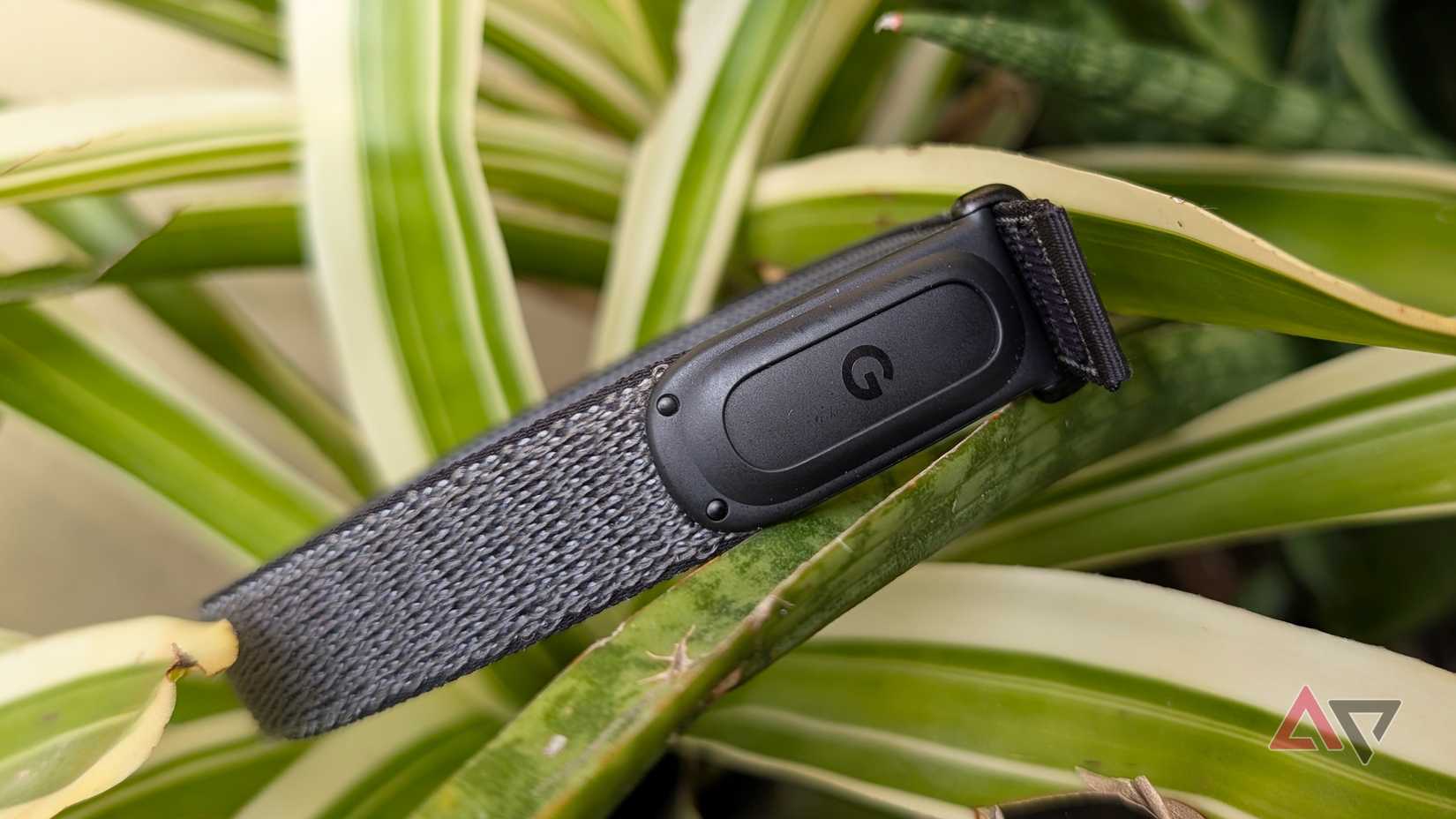
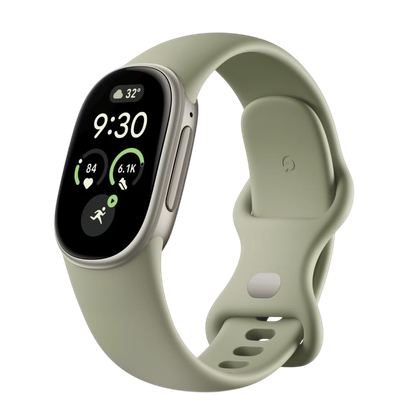
The Fitbit Edge is a middle ground between the Fitbit Air and the Google Pixel Watch 5. Not a screenless tracker, and not a full smartwatch, it sits in the middle. It’s basically a fitness tracker as we used to know them.
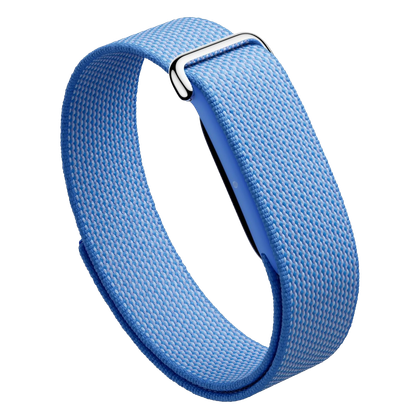
The Air is a new breed of fitness tracker, a screenless wearable that sits on your wrist and quietly gets on with its job. It counts steps, monitors your heart rate, tracks your sleep patterns, and measures other health metrics.
Without a screen, it relies heavily on automatic sensors to detect exercise, which were recently upgraded significantly. However, you can also start exercises through the Google Health app, which is the only way to interact with the Air.
It’s the ultimate “set it and forget it” health tracker, and that’s clearly not what the Edge is meant to be.
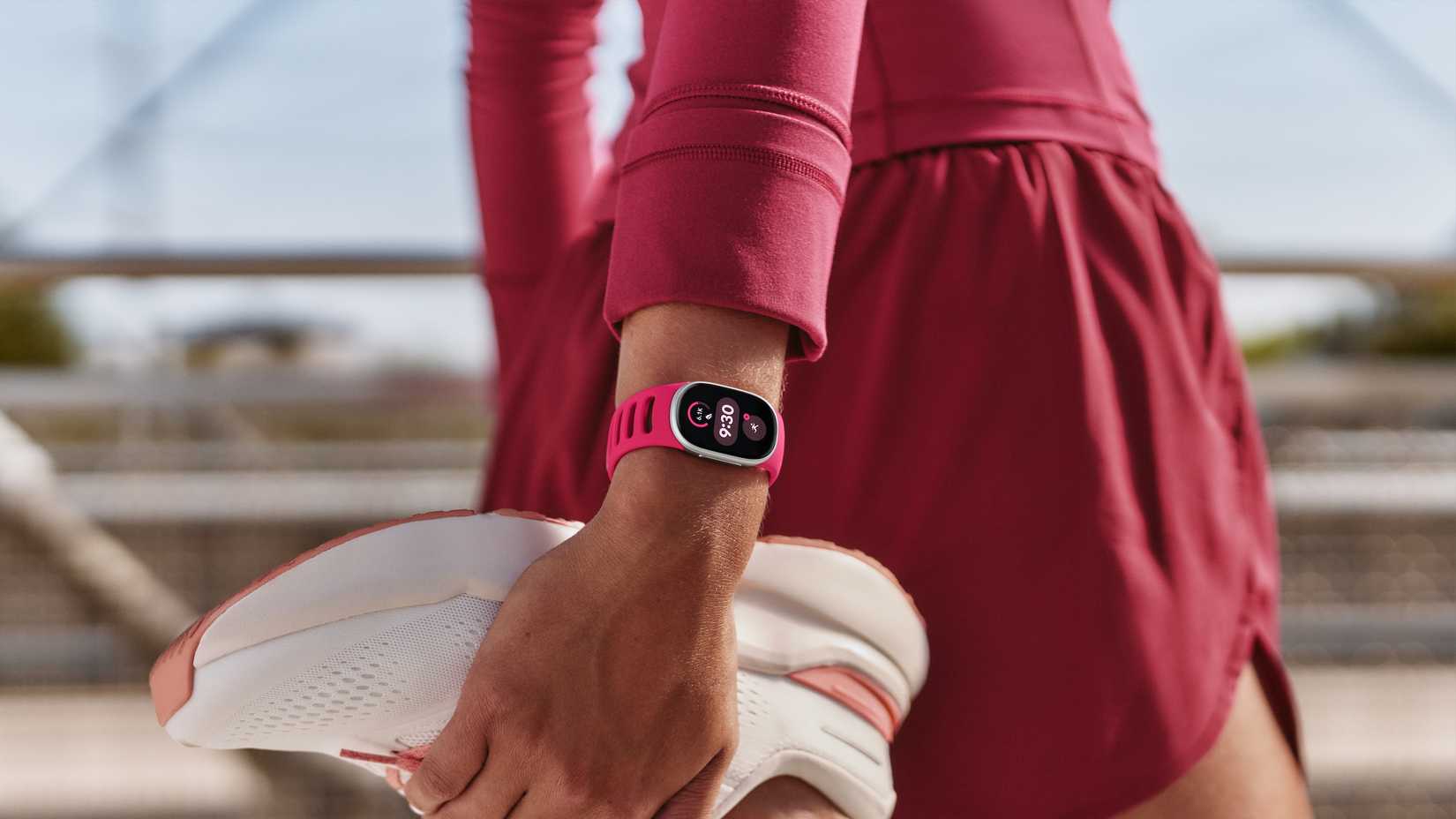
A small 1.34-inch AMOLED display is the most obvious difference between the Edge and the Fitbit Air. It’s gorgeous, yes, with bright colors and an Always-on display, but it’s begging to be used in a way that won’t appeal to anyone who likes the Air.

Which is fine; we need a device aimed at those who don’t like the hands-off appeal of the Fitbit Air. But that’s where our other device, the Pixel Watch 5 comes in.
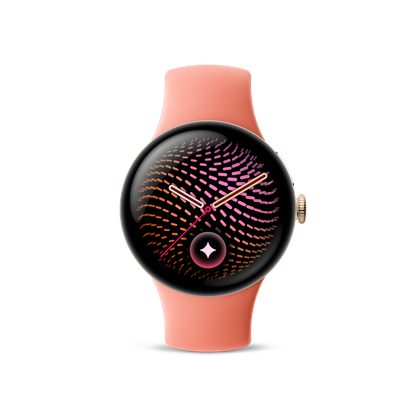
The Pixel Watch 5 is a fully-fledged smartwatch. If you buy it with an LTE connection, you can use it as a smartphone replacement. It has apps; you can talk to Gemini, reply to messages, view images, and search the internet.
It’s the polar opposite of the Fitbit Air, and it fills a valuable role. While you may think the Edge is similar enough to the Pixel Watch 5, it isn’t.
The Edge lacks many of the tools that make the Pixel Watch 5 a true smartwatch, so the Fitbit Edge falls awkwardly in the middle, more defined by what it isn’t than what it is. It’s not as subtle as the Air, but not as useful as the Pixel Watch 5. So what is it?
The Edge feels like a device without a real point
The Fitbit Charge doesn’t feel needed anymore
Credit: Google
It’s the Fitbit Charge 7, is what it is.
The Fitbit Edge has its own distinctive style, but it’s easy to see it’s meant to replace the Fitbit Charge line.
The Charge was Fitbit’s premium fitness tracker, and its presence made sense in a lineup with many different types of trackers, and a number of smartwatch equivalents on the high end. But I’m not sure it works when it’s positioned so close to the Pixel Watch 5 and Fitbit Air.
We’ve seen trios like this before, and it always spells trouble when one design fails to make itself stand out. The basic Galaxy S phone has always struggled to stand out next to the Plus and Ultra models because it lacks anything to define it. Instead, it’s less powerful than the Ultra and smaller than the Plus.

It’s not a perfect comparison, since the Edge is the middle child of the trio, and not the cheapest on offer. But it still lacks the definition the Galaxy S had. The Air is the screenless wonder, with a new, bold design. The Pixel Watch 5 is the powerful smartwatch with everything to offer.
The Edge is … well, it’s a fitness tracker, I guess. Not quite a smartwatch, but not a screenless Air. It’s boring, and very, very last generation.
Neither a smartwatch nor a fuss-free fitness tracker
It’s too niche a product
Credit: Lucas Gouveia / Android Police
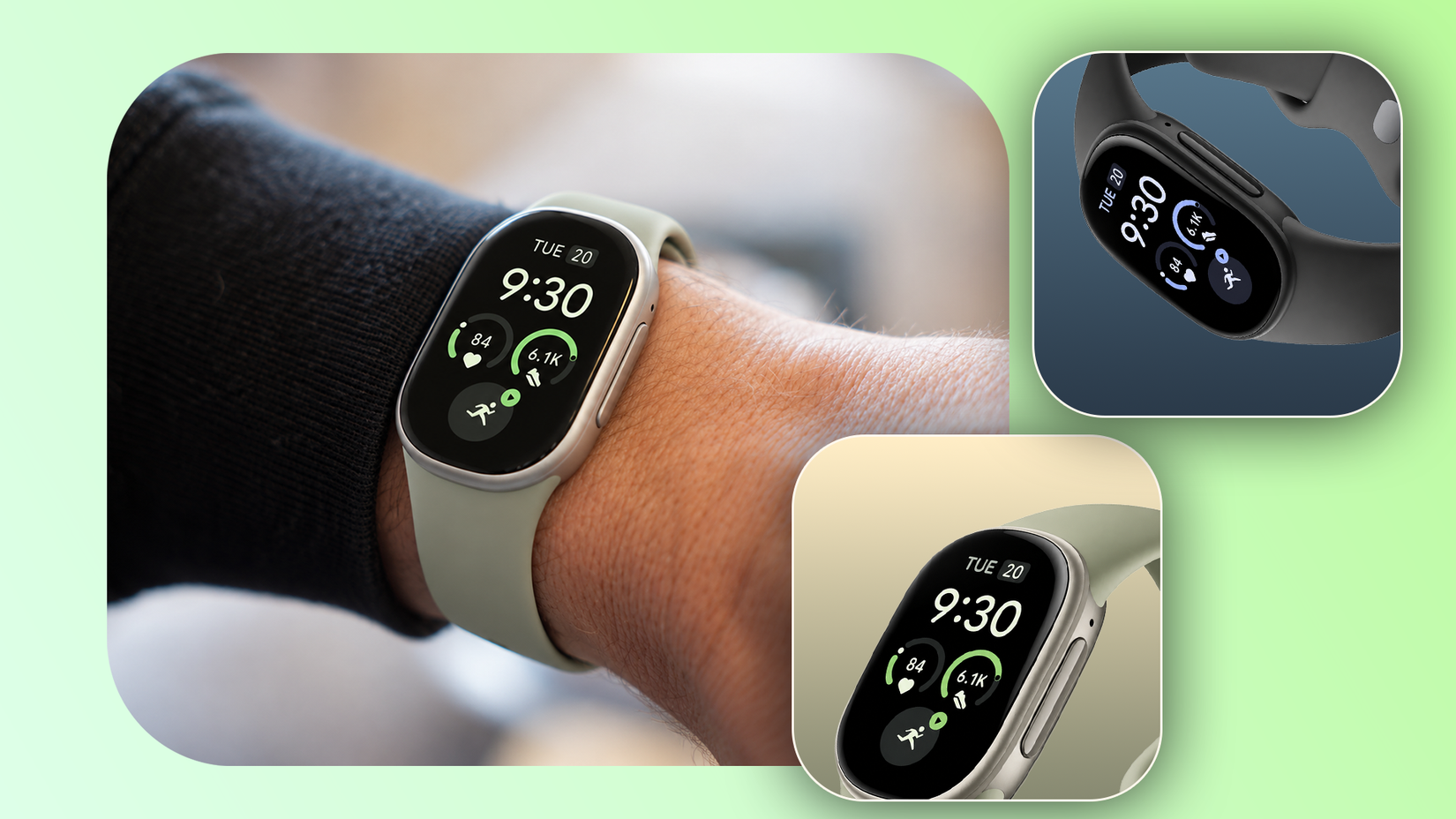
The problem here isn’t necessarily the Fitbit Edge. Using past Fitbit Charge products as a template, it’s likely to be a good device, if uninspired. The problem is trying to release what is essentially the Fitbit Charge 7 in a world where the Fitbit Air exists.
With the Fitbit Air being a new and revolutionary product, it’s hard to see the Fitbit Edge as anything other than a dinosaur, hanging on after its time has come to an end. It’s too different to feel like an upgrade to the Air, but it’s too far from the Pixel Watch 5 to really feel like an alternative.
If it’s a stellar product, none of this will matter. But I suspect the Edge’s time has come and gone before it’s even been released.
-

Fitbit Air
- Battery Life
-
7 days
- Health sensors
-
Optical heart rate, 3-axis accelerometer, temperature sensor
- Dimensions
-
35 x 17 x 8.3mm (Module)
- Water Resistance
-
50 meters
- Connectivity
-
Bluetooth 5.0
- Materials and finishes
-
Polycarbonate module
Distraction-free health and fitness tracking in a lightweight and comfortable-to-wear band with up to 7 days of battery life, Gemini’s smarts, and advanced sensors to track your heart rate, sleep, and more.
-
Google Fitbit Edge
- Battery Life
-
7 days
- Display
-
1.34-inches
- IP rating
-
IP68/5 ATM
- GPS
-
Yes
- Connectivity
-
Bluetooth
- Materials and finishes
-
100% recycled aluminum
The Fitbit Edge is the fitness tracker you want if you don’t want a smartwatch, but still want a display. Packed with Fitbit’s excellent tracking tools and Google’s latest AI insights, it’s a solid tracker at a good price.
-
Google Pixel Watch 5
- Case Material
-
Aluminum
- Case size
-
41mm / 45mm
- Display
-
1.2-inch / 1.4-inch
- CPU
-
Qualcomm Snapdragon W5 Gen 2 Accelerated
- RAM
-
2GB
- Storage
-
64GB
The Google Pixel Watch 5 takes the Pixel Watch 4’s fuss-free design and updates the internals, adds more health features, and introduces the Google Health AI Coach to help you on your fitness journey.