


Summary
- Google will reportedly use Qualcomm’s 3D Sonic Gen 2 ultrasonic fingerprint scanner on the Pixel 9.
- Ultrasonic scanners are more reliable and secure than optical sensors.
- The second-gen Pixel Fold will stick to a capacitive fingerprint scanner.
Among other issues, the Google Pixel 6 was infamous for the poor performance of its Goodix-sourced in-display fingerprint scanner. Thankfully, the company made amends with the Pixel 7, though the phone still lagged behind the best Android phones in this aspect. While the Pixel 8 did not bring any notable improvements, Google added face unlock to the phone, making you less likely to rely on the fingerprint scanner. With the Pixel 9, Google will reportedly fix a significant drawback of its Pixel lineup for good.
How to improve fingerprint accuracy on your phone
Tired of your fingerprint sensor letting you down? Follow these tips for always accurate scanning
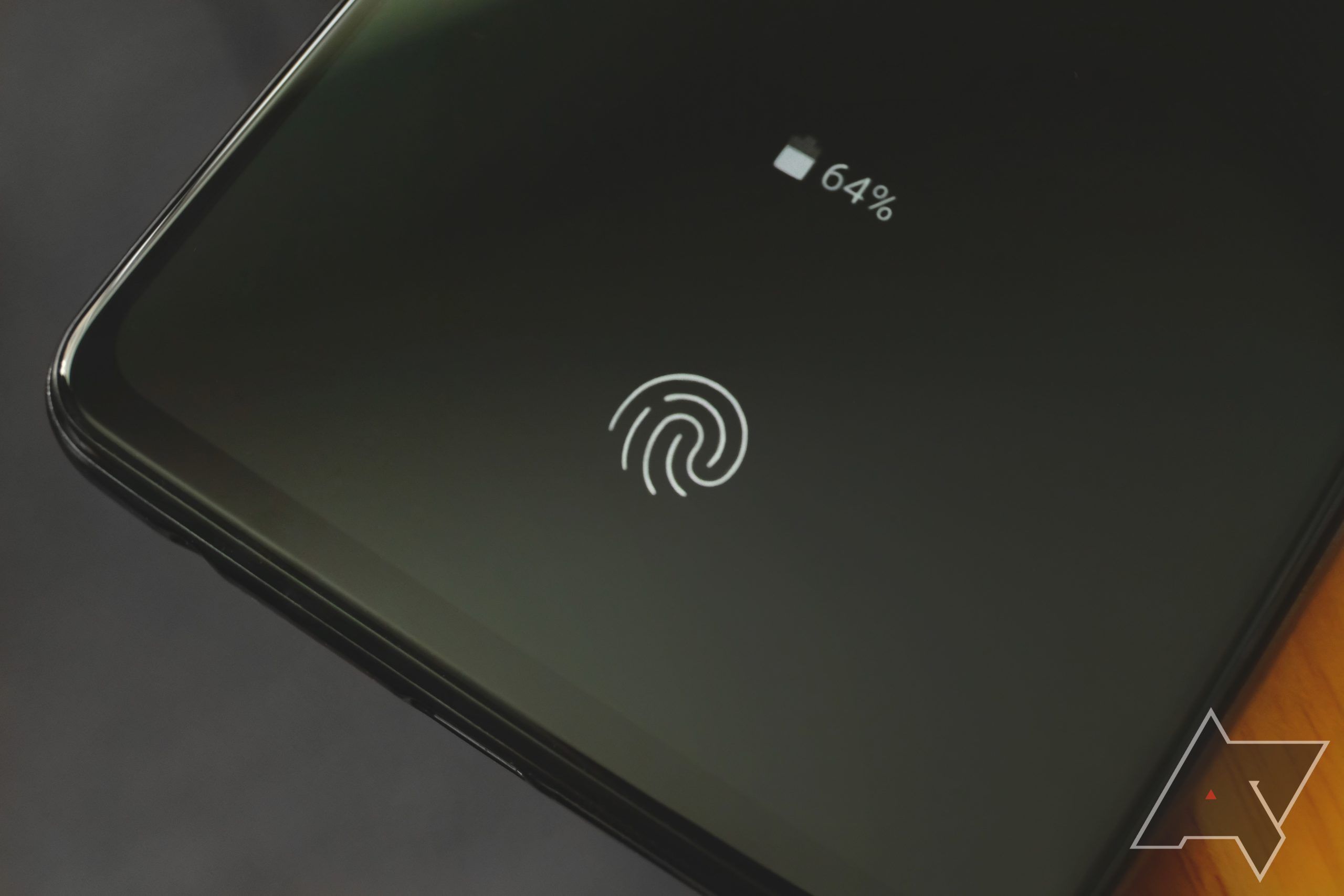
Android Authority claims that Google will use an ultrasonic fingerprint scanner across its entire Pixel 9 lineup. More specifically, the company will use the Qualcomm 3D Sonic Gen 2 (QFS4008) sensor. Samsung also uses the same scanner on the Galaxy S24 Ultra. Qualcomm’s product page for the sensor claims it “creates a detailed 64mm2 reproduction of the scanned fingerprint” for safety and security.
Google’s second foldable will skip the ultrasonic sensor and continue to use a capacitive fingerprint scanner integrated into its power button.
Ultrasonic scanners are more reliable and safer than optical sensors
So far, Google has used an optical in-display fingerprint sensor on its Pixels. It works by flashing a bright light through the display to read your fingerprint. The problem with such sensors is that they fail to work properly with dry, dirty, or oily fingers. More importantly, they are not as secure since they rely on a 2D scan of your fingerprint to unlock the device. In some cases, people have fooled optical scanners using a high-resolution printout of a fingerprint.
In comparison, an ultrasonic scanner sends an ultrasonic pulse to capture your fingerprint in 3D. This makes it more secure than optical scanners. It is also more reliable and will work with dirty, oily, or dry fingers. A lot will depend on Google’s software implementation as well. From a hardware viewpoint, though, the Qualcomm ultrasonic sensor delivers a big upgrade over the optical fingerprint scanner of previous Pixel phones.
For years, Google has used dated or older-generation components on its Pixel phones. However, the company appears to be changing its stance and plans to use the best available parts on its flagship Pixels.
A recent leak indicates the Pixel 9 series could use the same Samsung-sourced OLED panels as the upcoming iPhone 16 Pro. The M14 OLED panels could provide higher peak brightness and power efficiency than the Galaxy S24 series.











