Sometimes these patches fix vulnerabilities that bad actors are exploiting.
A good example is LANDFALL spyware, which was being exploited around the middle of 2024.
It was found hidden in image files that appear to have been sent over WhatsApp. It used a hole in Samsung’s image software to get in.
When in, it could record calls, track the phone’s location, and pull photos, contacts, call history, and messages from the device, mostly without the user knowing.
Samsung fixed that hole in its April 2025 firmware update. But on a phone past its support, a fix like that would never arrive.
That’s why anyone, including me, would want to stop using a phone after its security patches end.
Google might not leave my S22+ just yet
But it only patches a small corner of the problem
My phone runs Android 16, which means it might continue receiving Play system updates from Google, even after Samsung’s patches end.
After all, the Galaxy S10 and S20, both past Samsung’s support, still got one in January 2026.
Even then, the patches would address only a small part of what needs covering in the phone.
That’s because Play system updates can’t change a phone’s kernel, the base software running its hardware.
They also can’t reach the drivers, which run parts like the camera and the modem, which connects to mobile networks.
To put things into perspective, Google’s October 2026 bulletin listed 25 Android security fixes, all in Android’s core.
Only 3 of them also came through Play system updates. The other 22, including all 7 rated Critical, didn’t.
That’s one month, not Google’s overall share. But it shows how little Google covers in a Galaxy phone.
My Galaxy phone’s risk only grows from here
And some apps may stop trusting it completely
Apart from Play system updates, Google offers Play Protect, which checks apps and phones for harmful behavior.
Still, very few people get their phones hacked. Phishing is more common.
In that light, you might think you can avoid all the risks of using an end-of-support smartphone by being careful. But I strongly advise against that.
So, for me, when my phone’s patches end, I’ll immediately consider it a security risk and take the necessary steps to replace it with a newer, supported model.
This year’s Galaxy might likely be my next pick
Its 7-year promise still leaves me years of updates
Some people decide one morning they want the best phone, and they make it happen right there.
For me, flagship phones are too expensive to be impulse purchases, especially these days, with device prices shooting up like crazy.
That’s why I’ve started deciding ahead of time which model I’ll go for.
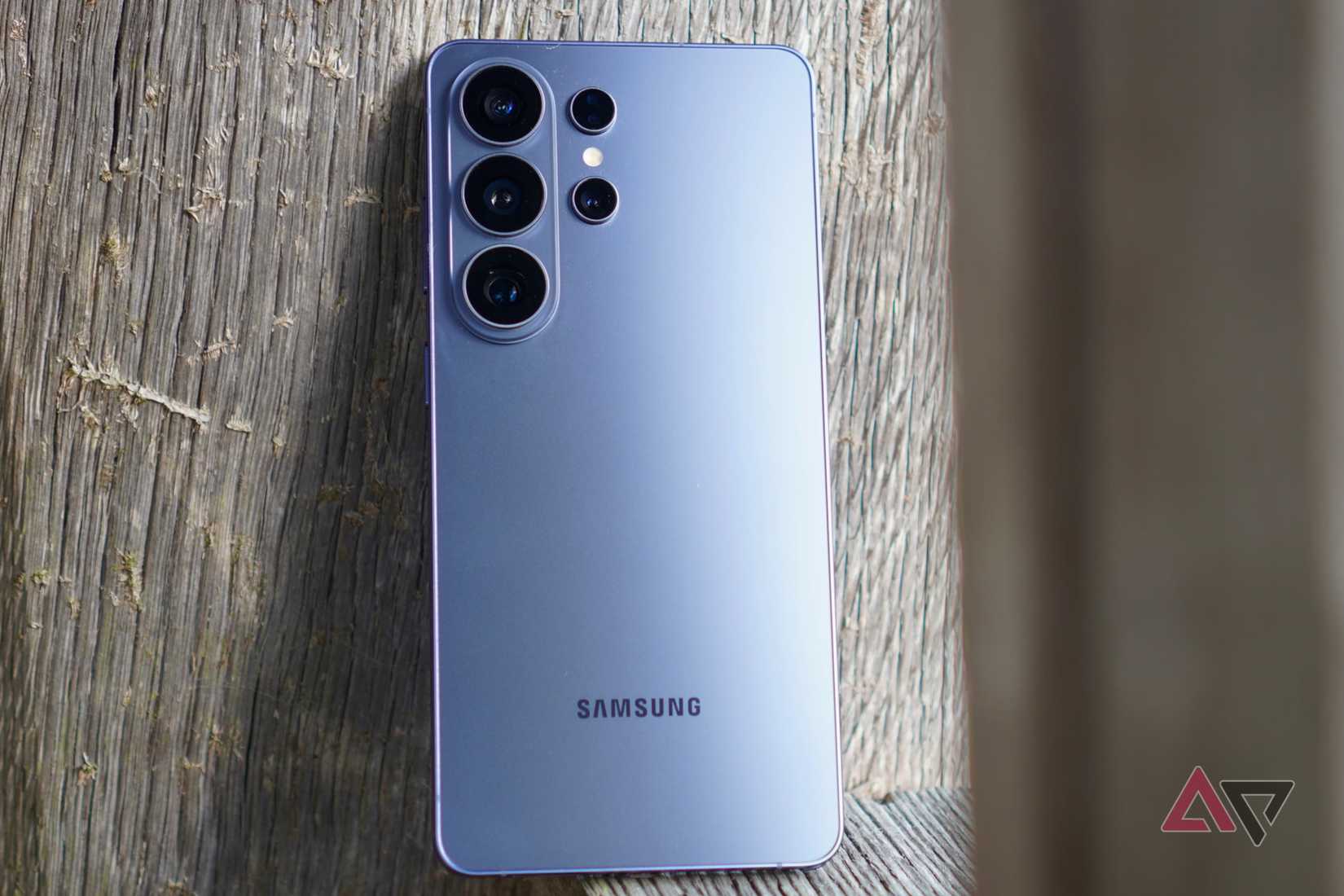
For now, the Galaxy S26+ and S26 Ultra are looking like my likely picks. Samsung promises seven years of major OS updates and security patches to this lineup.
If I get one in 2027, after the S27 lineup releases, I’ll still have six years of major software support.
Nevertheless, the next three to five months will determine which model I go with.
No one will give you a stern warning
After a phone gets its final security patch, it keeps working as usual. There’s no giant alarm on the screen, warning you of the risks. At best, a few apps refuse to install on your device, and that’s it. That’s what makes it easy to continue using an EOS smartphone.
However, for all the numerous reasons I’ve mentioned, it’s not worth taking the risk. For me, after my phone reaches the end of its support, I’m definitely going to change it.
If yours is also going out of support or is already past its support period, you might want to do the same. Don’t let the lack of a stern warning convince you otherwise.