
After years of using Samsung Galaxy and Google Pixel phones as my daily driver, I switched to Chinese Ultra phones a few years ago.
These phones pack better camera hardware, faster charging, and bigger batteries.
I also stumbled upon a useful camera feature that changed how I click photos on a phone. That feature is telemacro, and in 2026, I won’t buy an Android phone without it.
Telemacro and macro aren’t the same thing
And the difference actually matters
Macro photo capability is common on premium and flagship Android phones. That said, it’s not the same as telemacro.
With macro support, your phone uses the ultrawide camera to capture extreme close-up shots. On paper, it sounds good and could let you capture a subject from a new perspective.
However, in practice, it has several issues. It’s hard to get close enough to the subject, and even the slightest hand movement can ruin the shot.
This is where telephoto cameras with macro support come in. It doesn’t require you to get as physically close to a subject.
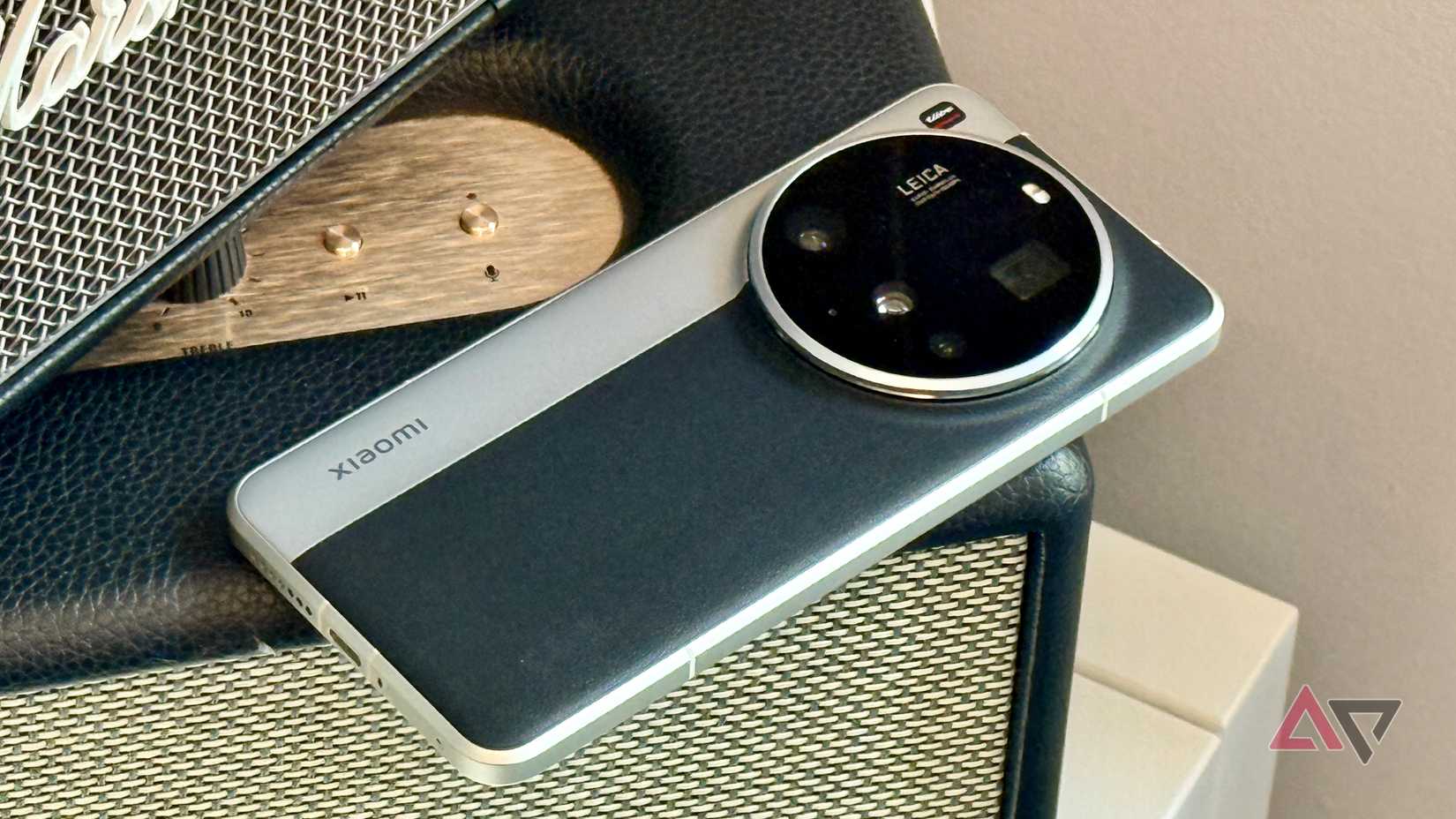
Instead, it uses the telephoto camera’s longer focal length (and a floating lens) to let you capture close-up shots from a comfortable distance.
This might not seem like much, but in daily use, it’s the difference between getting a sharp, stunning, usable macro shot and not getting one at all.
I didn’t pay much heed to macro support on phones before switching to the Xiaomi 14 Ultra last year. That’s despite having used devices like the Google Pixel 8 Pro and Samsung Galaxy S23 Ultra, which technically support macro photography.
Given the effort required to take a decent macro photo, I tried macro mode a handful of times on these phones and then promptly forgot about it. And this isn’t only a me problem.
It all comes down to implementation. These phones rely on their ultrawide camera for macro shots, which makes it awkward and challenging to take a usable shot.
The Xiaomi 14 Ultra’s telemacro feature removed that friction. Being able to shoot close-ups from a comfortable distance changed how I use macro mode, and I took more macro shots than ever before.
This feature didn’t lose its shine over time.
Nearly two years later, and after switching to the Xiaomi 15 Ultra and now the Vivo X300 Pro, I’ve consistently taken some of my favorite shots using telemacro.
Now, I can’t imagine going back to a phone without a telemacro lens.
See the sample shots below. I took all of them with ease, without once worrying about my shadow ruining the scene or getting uncomfortably close to the subject.
Before getting the Xiaomi 14 Ultra, I rarely took macro shots because of the challenges involved. Even when I put in that effort, there was no guarantee I would end up with a usable shot.
That all changed after I got used to shooting with the telemacro lens.
In the last two years, I’ve captured tens of amazing macro photos. All of them came organically, and not because I forced myself to.
This was only because the process became effortless and stopped feeling like a struggle.
Once again, the biggest smartphone players missed the mark
Telemacro shouldn’t be a niche feature

Unfortunately, like many other mobile hardware trends, Samsung, Google, and Apple have missed this train.
While their flagship phones support macro photography, they rely on the ultrawide shooter instead of the telephoto camera.
The Pixel 10 Pro series supports macro photography using both its ultrawide and its 5x periscope telephoto sensor.
Like the Galaxy and iPhone, the Pixel uses its 48MP ultrawide camera for macro shots. And so, the same caveats apply to it.
Disappointingly, this means that no major flagship Android phone available in the US supports telemacro.
It’s understandable that companies like Apple, Samsung, and Google may want to avoid larger camera sensors due to design, thickness, and internal-space constraints.
However, skipping a genuinely useful feature like telemacro is another matter altogether, especially since it doesn’t require radical hardware upgrades.
Plus, telemacro is no longer experimental. Chinese smartphone makers have proven its real-world value, and the technology has been around for a few years now.
No telephoto, no purchase
Heading into 2026, telemacro has become a non-negotiable feature for me in my primary smartphone.
If a $1,000+ flagship phone cannot let me capture close-up macro shots without getting awkwardly close to a subject, it’s off my shortlist, irrespective of how good its other features and specs are.
Unfortunately, the Samsung Galaxy S26 Ultra is off my list as it doesn’t use a telemacro lens for its 5x periscope shooter.