


As someone who never throws away old tech, I’ve amassed a fairly large pile of smartphones and tablets. However, I’ve struggled to find a use case for them.
So, when I pulled out an old tablet from the drawer, I didn’t expect much. The tablet was slow even when I bought it, but at some point it stopped being useful enough to justify charging and keeping on my desk, so into storage it went.
Like most old tech, it didn’t stop working. It just became irrelevant.
But pulling it out of the drawer, what stood out to me, was how my use case and expectations had changed.
The tablet still worked. That wasn’t surprising. But if you take away high-end expectations like high-performance multitasking or the ability to play the latest games, turns out there’s still utility to be had from old tablets.
You see, there’s a tendency to think of old tech as useless because it can’t keep up with modern tasks. But that assumes that the device needs to do everything.
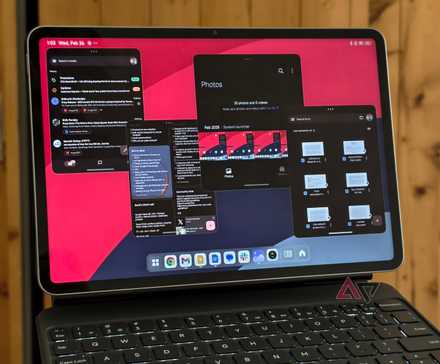
Instead, if you start using a tablet as a stable, single-purpose screen aimed at doing one task at a time, an old tablet can perform like a superhero.
Designing around its limitations
From an all-purpose device to shared screen
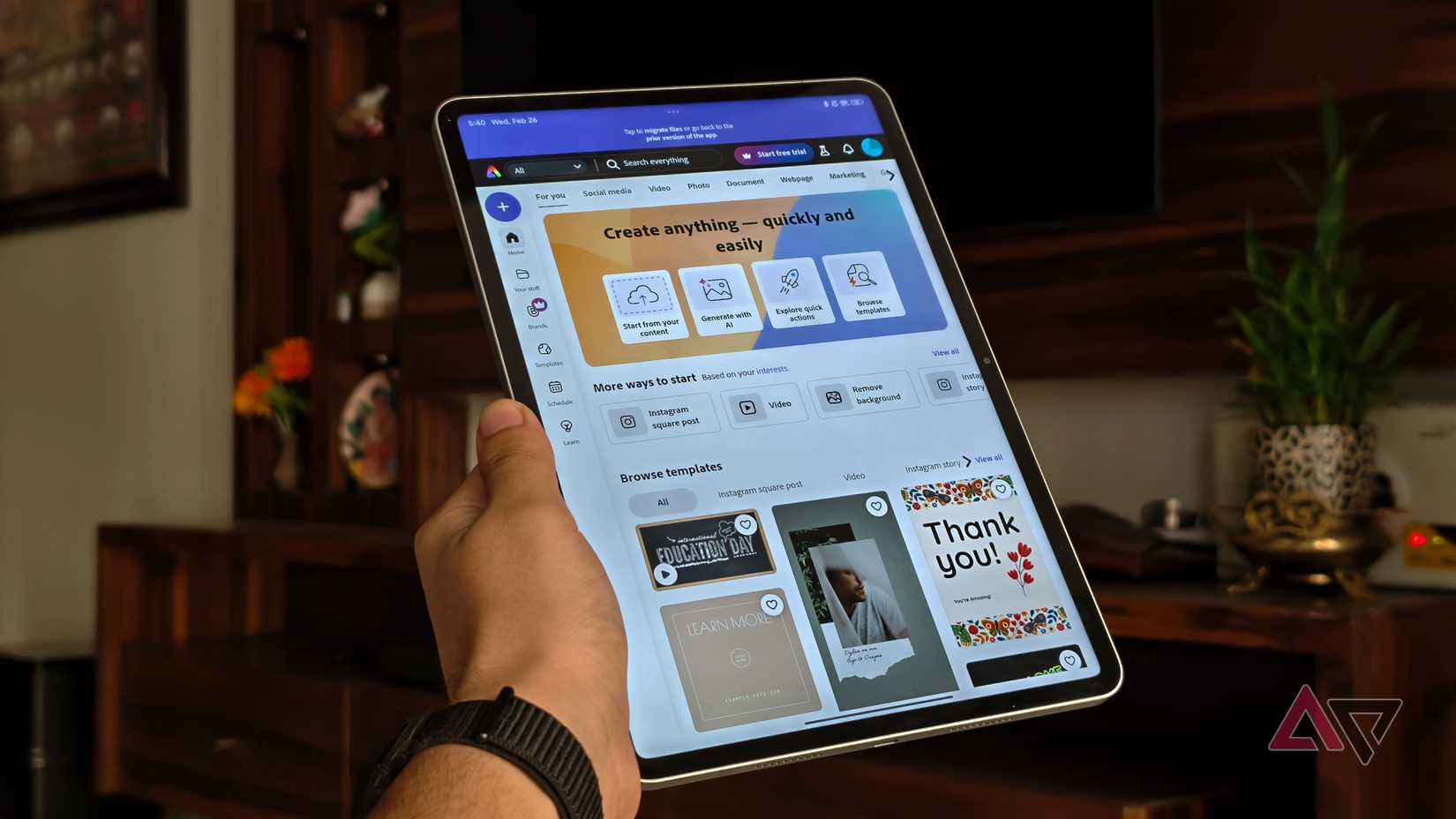
The first real change in how I approached the tablet came from the fact that I stopped carrying it around as an everyday tablet.
As an everyday tablet, you have certain expectations of the tablet replacing multiple use cases. Instead, it now sits on my living room table, plugged in and charged, ready for simpler uses.
One of the best use cases for an older tablet is as a reading device. Now, phones are fine for quick articles, or social media.
However, long reading sessions benefit from a larger display. And a tablet is perfectly positioned for that.
Be it ebooks, or magazines via my favorite electronic magazine subscription service, I also read newsletters, essays and more on it.
For a single purpose, basic task like this, an older tablet works swimmingly.
Similarly, an older tablet makes for the perfect couch YouTube companion. When the main TV is occupied, I can just pop open my favorite documentary or catch up on a game stream without bothering others.
I also carry it around with me to the kitchen to watch a recipe while I’m cooking. Can you do that on a phone? Sure. But using a tablet has its benefits beyond just the larger screen.
With the right settings and focus modes enabled, you can be sure that your content won’t get interrupted by constant notifications, unlike your phone.
While you’re in the kitchen, you could also use your tablet for a few other uses.
For example, to use a recipe app. Paprika tends to be my preferred option. The large display makes it easy to see all the steps, the ingredients and reference images without being bothered by notifications and calls that you’d otherwise get on your phone.
For that matter, you could even use the tablet as a large-screen kitchen timer.
A tablet that is limited by design
Keeping it disconnected has made it more useful
While the plethora of use cases certainly come in handy, there are other reasons why my old tablet has become a favorite.
I’ve deliberately limited what I can do on it. I haven’t installed any social media apps on it. Nor have I added my primary email account on it. Random notifications have been disabled too.
In addition to all the apps and uses I mentioned above, the living room tablet also serves as a control surface for my home.
It’s linked to apps for Philips Hue and Home Assistant so I can control anything I need right from the couch. Similarly, the loaded up Spotify ensures I can queue up podcasts and playlists straight to my smart speakers and streamers.
The tablet is fast enough for all of that, and since it’s not my all-day tablet, I can leave it on charge without letting the not-so-great battery life bother me.
For what its worth, having a tablet that’s disconnected from your primary accounts and socials has its benefits. There are no disturbances, notifications, vibrations pulling away your attention.
The living room tablet is as intentional as these things get.
Why an older tablet is often better than the latest upgrade
The reason that this single-purpose tablet feels more useful today than it ever did before is simple. My expectations and needs from it have changed.
When it was new, I expected it to be able to multitask and play the latest titles. Now, I just need it to do one thing at a time.
There will always be something faster and more capable. But usefulness is contextual. A device doesn’t need to be the most powerful around to be useful. It just needs to fit into your life without friction.
Rescuing the tablet from storage didn’t just give me another screen to use. It helped me create a bespoke device for single-purpose tasks around the house, and I absolutely love it.











