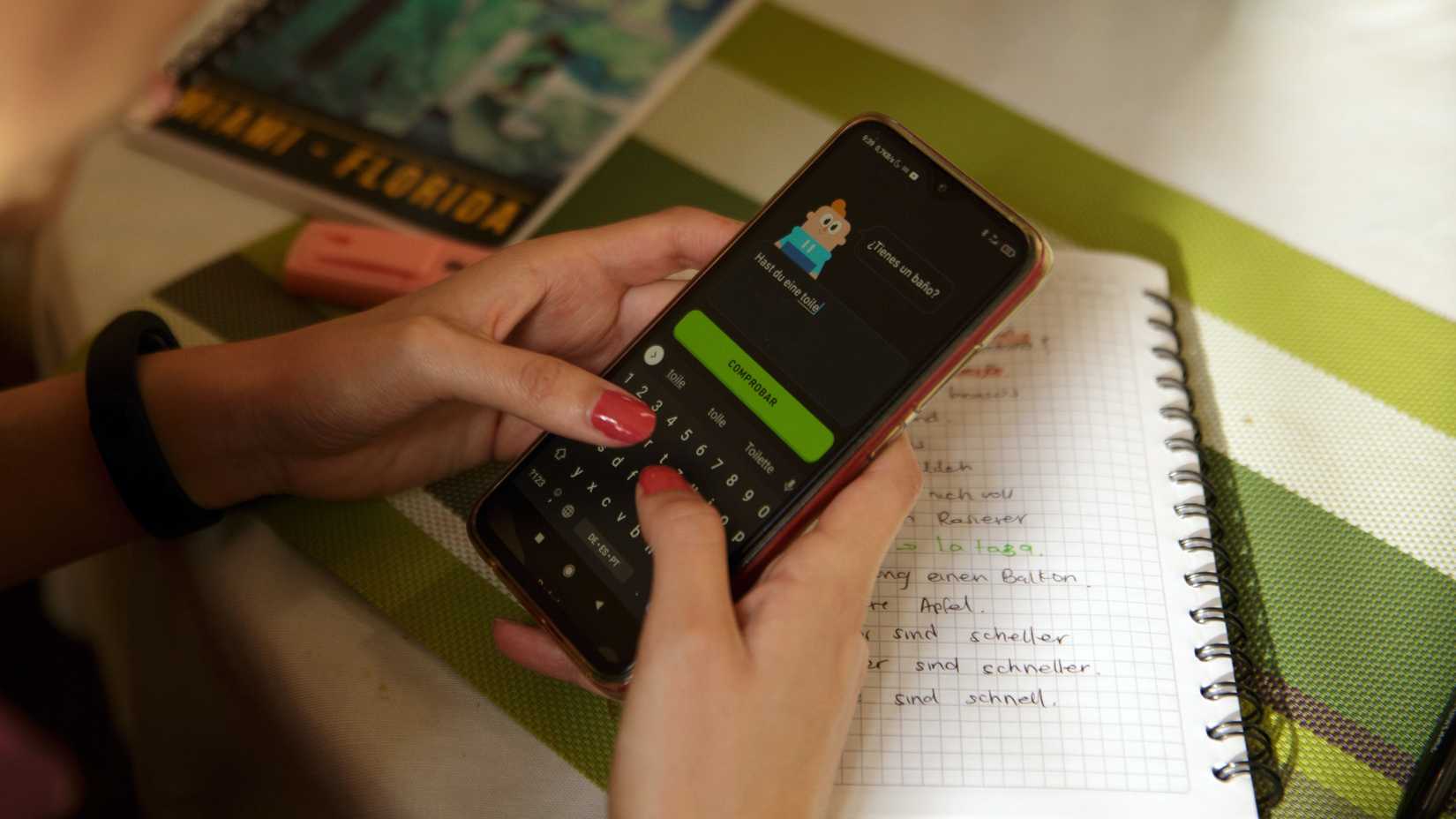
I started using Duolingo in 2021, gained a sizable streak, and pay for the Plus subscription. I’m about as faithful as it’s possible to be.
Still, I’m having second thoughts about continuing with Duolingo after a recent change highlighted an enormous flaw.
Change is often good
But some things should stay the same
Credit: Duolingo
One of Duolingo’s major advantages is how it works. Since nothing is saved locally, you can dive into Duolingo’s courses from several devices. Plus, you can swap phones without losing your progress.
At any time, I can pick up my phone, open Duolingo, and continue from where I left off. It’s a great system and has a lot of advantages.
One of those advantages is the ability to receive updates. Duolingo uses research on language learning to build its courses, and it uses new research to add to and alter its existing courses.
The aim is to improve the learning experience, and sometimes, that’s true. But that doesn’t always happen.
Credit: Duolingo
Recently, one of Duolingo’s updates added materials to active courses. This is great for newcomers. But for active users who are partway through a course, it can be confusing.
Because Duolingo changed things around, people were being quizzed on words and phrases they hadn’t been taught. Because, according to their learning timeline, they’d passed the point where they should have known these words.
Only, those words hadn’t been there when they previously reached that point. They’d just been retroactively added.
It’s a very first-world problem, but it’s still annoying, and it’s not the first time it’s happened. Because of Duolingo’s setup, it can change how people learn with layout changes and different lessons.
Or, it can completely change a course, to the point where you’re not sure where you are anymore. It breaks your flow, and it can make you want to quit.
Duolingo is meant to make learning a language easy, but such disruption is anything but.
There are plenty of reasons to drop Duolingo
It’s not the most ethical company around
Credit: Duolingo
Duolingo may be popular, but it’s no stranger to controversy.
The green owl has had several controversies over the years. The most notable example is when it laid off around 10% of its contractor workforce in favor of using AI tools.
The backlash was immediate, with people quitting the app and moving to competitors.
Duolingo’s use of AI translation tools has been less than successful, with many users suspecting the lessons are less useful and accurate than they used to be.
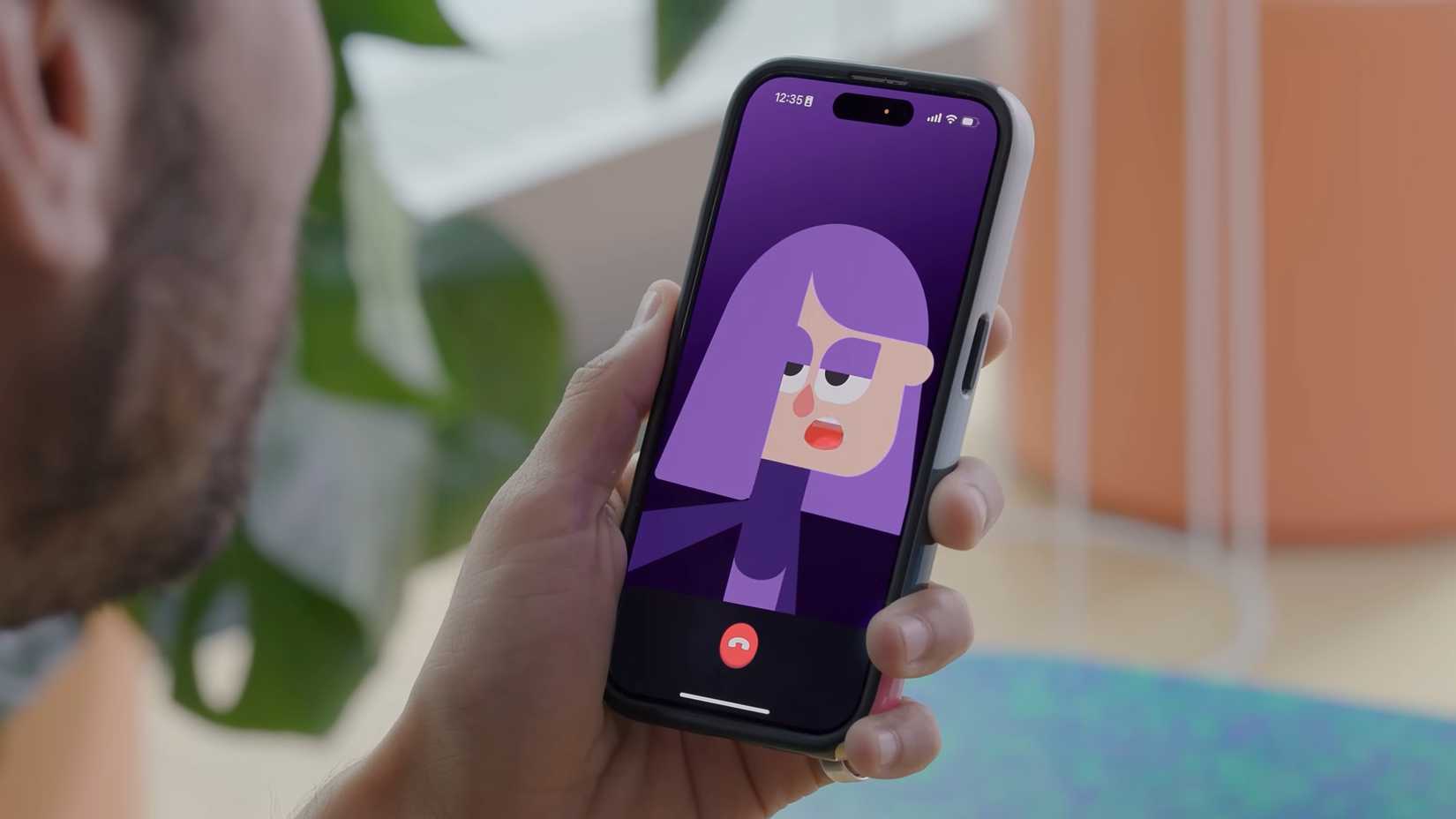
I almost quit once before, when Duolingo introduced its Max subscription tier. This subscription was introduced for the new AI-powered video call feature. It’s since been expanded to include other AI features.
The entire point of paying for a subscription was to get everything, wasn’t it?
Credit: Duolingo
Even before the disastrous AI pivot, which damaged its brand, Duolingo wasn’t always thought of as the best option.
Gamified learning may be fun and addictive, but many users rush through lessons to preserve a daily streak. Those users aren’t learning or absorbing the information; they only want to make their number bigger.
I’m not judging anyone for that, as I’ve been as guilty of it as anyone else. But it is a problem. I can’t remember the last time I went into Duolingo to learn.
It’s a bedtime routine now, and it’s almost as routine to wonder whether it’s still worth doing.
Duolingo isn’t going to change
Maybe it’s time to look at a less digital approach
Duolingo is happy to make changes, but I find it ironic that I doubt whether it will change as a company.
It’s strange to consider that much of what makes Duolingo great also makes up its greatest weaknesses.
The ability to change courses and better them is fantastic — until you consider what it does to people who are already on those courses.
You can’t leave those people out of the update because that sets off a cascade and suddenly there are too many buckets to keep track of.
Most Duolingo alternativeshave similar problems. I’m wondering whether it’s time to go old school with language learning. I’m thinking of dusting off the old Rosetta Stone tapes and picking up language books at thrift shops.
They’re not gamified. But they won’t change, and they’re sure to work.