Please provide your email address to finish creating your account.
<!–
Create an account
–>
*Required: 8 chars, 1 capital letter, 1 number
or
By creating an account, you agree to our Terms of Use and Privacy Policy.
You also agree to receive our newsletters; you can unsubscribe any time.
Android developer @evowizz said Samsung is working on its first premium over-ear headphones.
Digging through the Galaxy Wearable app, people at SammyGuru found app assets that hint at dedicated noise controls and head tracking, plus some kind of USB connection behavior.
Samsung bought Harman in 2017 and picked up AKG and JBL along the way, so this has been a long time coming.
Even so, it hasn’t released a high-end over-ear model under its own name since the Level On Wireless in August 2015.
Eleven years is a long time to keep quiet, so Galaxy Studio better make some noise.
What I need from the Galaxy Studio is a standard Bluetooth multipoint. A true multipoint can hold two active connections at once, no matter who made the device.
I want to go from a YouTube video on my PC to a call on my phone without opening a pairing screen.
If Sony and Google can make multipoint work with anything, Samsung has no excuse.
I want a battery that lasts a work week
Earbuds die too fast
The Galaxy Buds 4 Pro drain their 61mAh cells in about six hours with active noise cancellation turned on. If you listen while you work, that means a midday timeout in the charging case.
Over-ear cups have more room for bigger batteries. I want to plug the Galaxy Studio in on Monday morning and forget the cable exists until Friday afternoon.
The competition shows it’s doable. The Sennheiser Momentum 4 is rated for 60 hours with ANC on. Sony’s WH-1000XM5 gets 30 hours, and the Bose QuietComfort Ultra gets 24.
Samsung doesn’t need to beat Sennheiser. But beating Sony’s 30 hours is a reasonable bar, and anything near 40 would make me very happy.
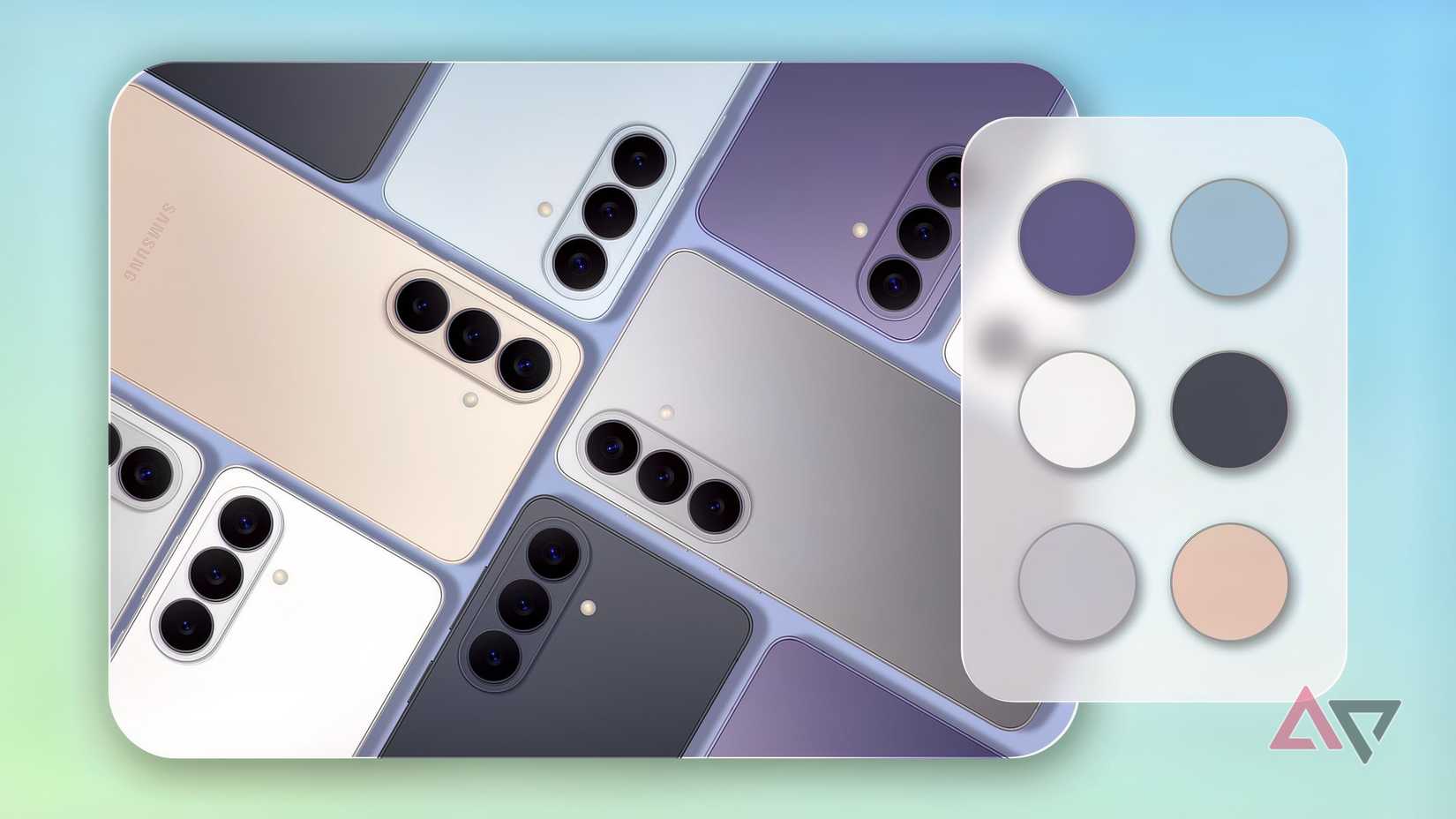
The company that lets you design your own Galaxy Z Flip and Galaxy Watch clearly has a soft spot for color.
I’d love to see Samsung bring that same attitude to the Galaxy Studio. Ideally, the Galaxy Studio should let buyers mix and match the ear cups and headband.
If my phone is Peach, my headphones could be Peach too. (I know how this sounds and I don’t care.)
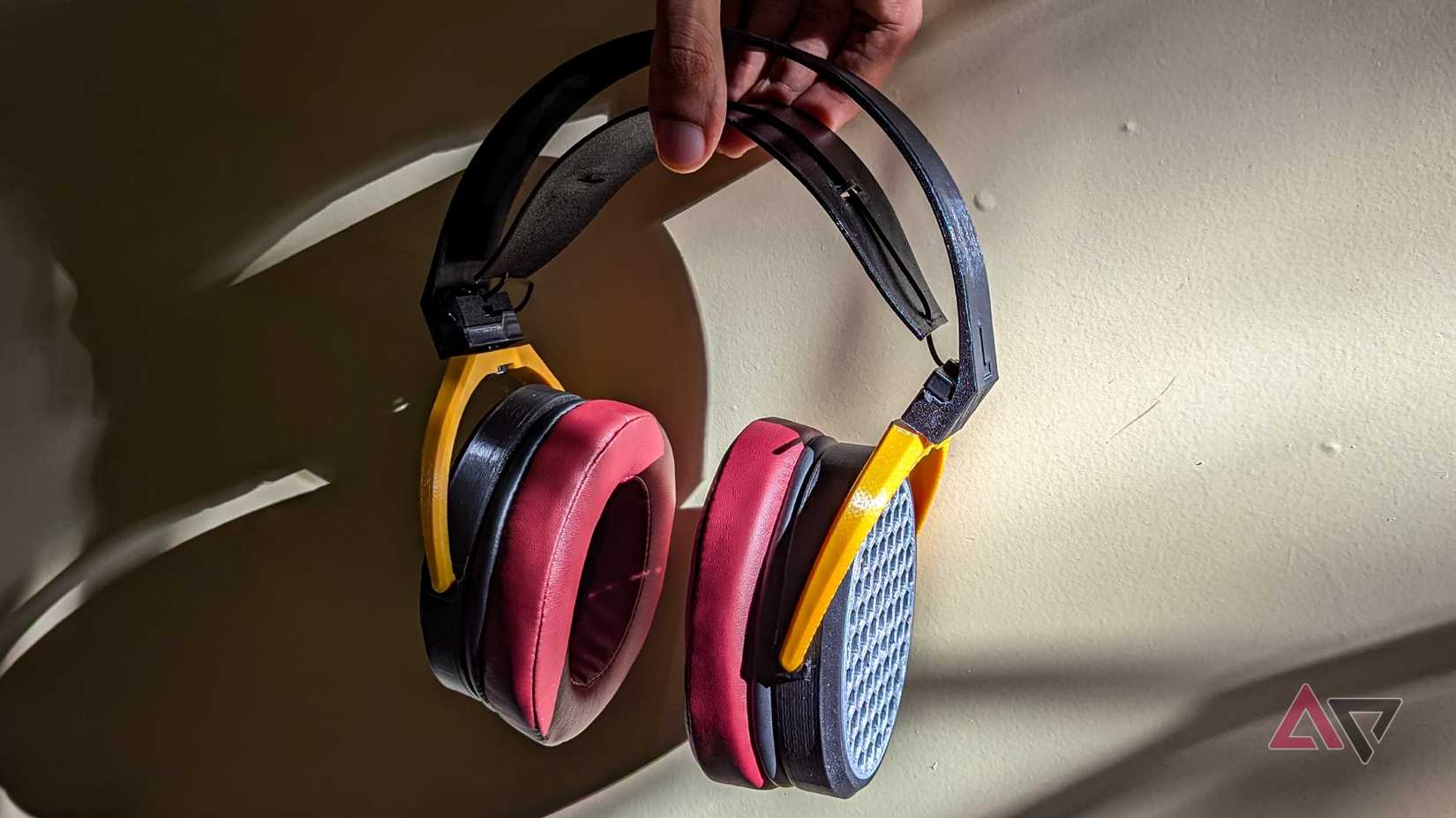
Magnetic ear pads I can swap in seconds
Glued cushions shouldn’t be a death sentence
If Samsung can only grant one wish, I’d take this over colors. Apple’s AirPods Max showed how easy magnetic ear pads can be.
Glued-on cushions eventually fall apart, and then a perfectly good pair of headphones becomes e-waste because of some dead foam.
Magnetic pads let you swap out gross cushions in seconds and keep the hardware going. They would also make the color mixing I mentioned earlier easier to pull off.
Wired USB-C audio for the seatback screen
Bluetooth won’t help you on a plane
Credit: Lucas Gouveia / Android Police
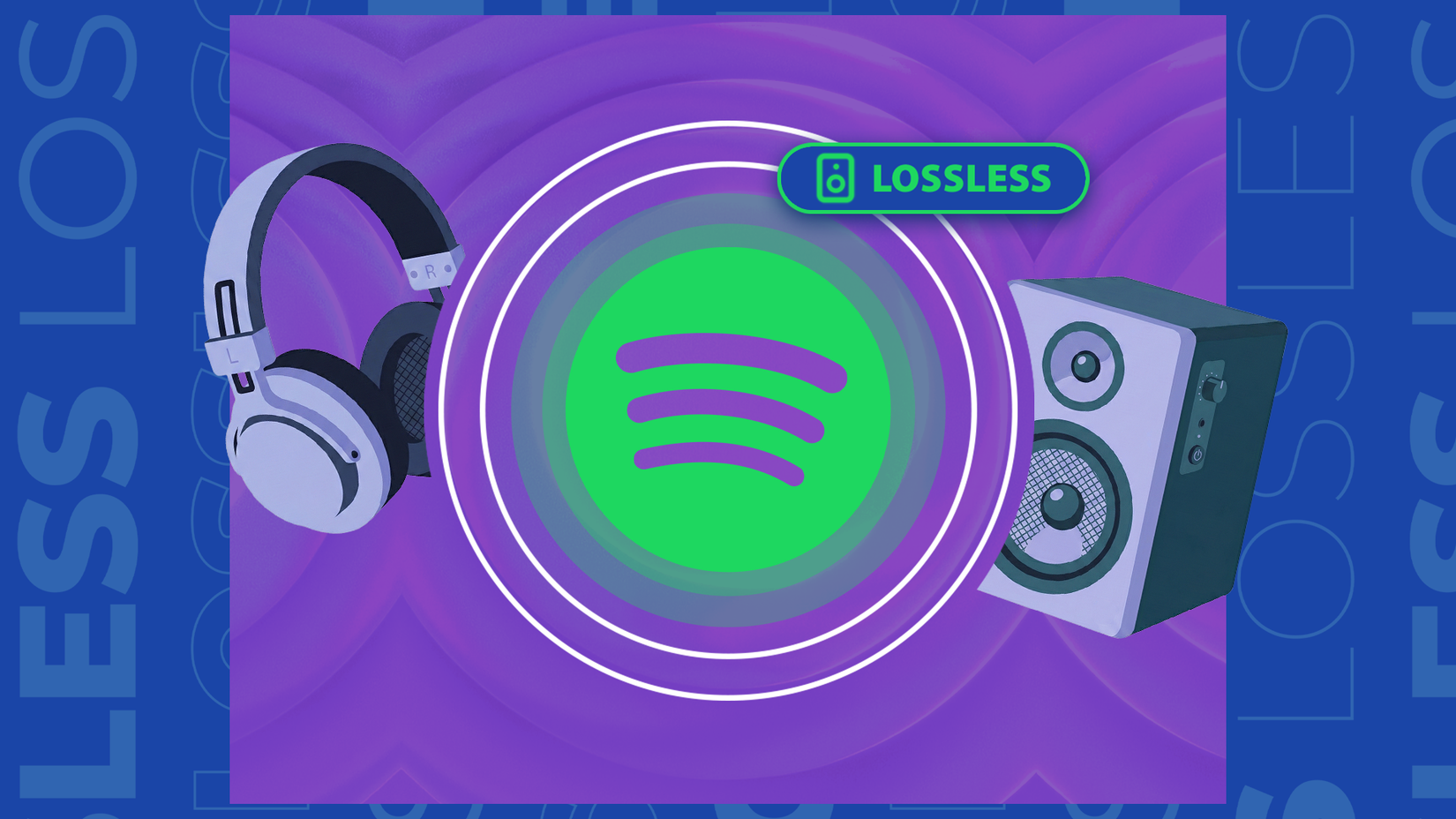
Most Bluetooth connections compress your music before it reaches your ears. Now that Spotify, Apple Music, and Tidal stream lossless, it feels like a waste to lose that detail. A cable fixes that.
The Galaxy Studio needs wired USB-C audio with the digital-to-analog converter built into the headphones.
Beats Studio Pro does 24-bit, 48kHz lossless over USB-C, with the converter built in.
Bose also recently released a firmware update that brings 24-bit, 48kHz lossless audio to the QuietComfort Ultra over USB-C.
Samsung may already have this in the works.
Those Galaxy Wearable app assets I mentioned earlier hint at some kind of USB connection behavior, and “Studio” in the name begs for a cable.
Over-ear headphones turn into ear saunas after a few hours, so my Galaxy Buds 4 Pro are still coming with me to the gym.
Plus, they disappear into the front pocket, while big headphones need a lunchbox-sized case. Over-ears are for getting in the zone at my desk. Earbuds get everywhere else.