


One of the highlights of avoiding learning to drive until my mid-30s has been that I never had to struggle with the dark days of infotainment systems.
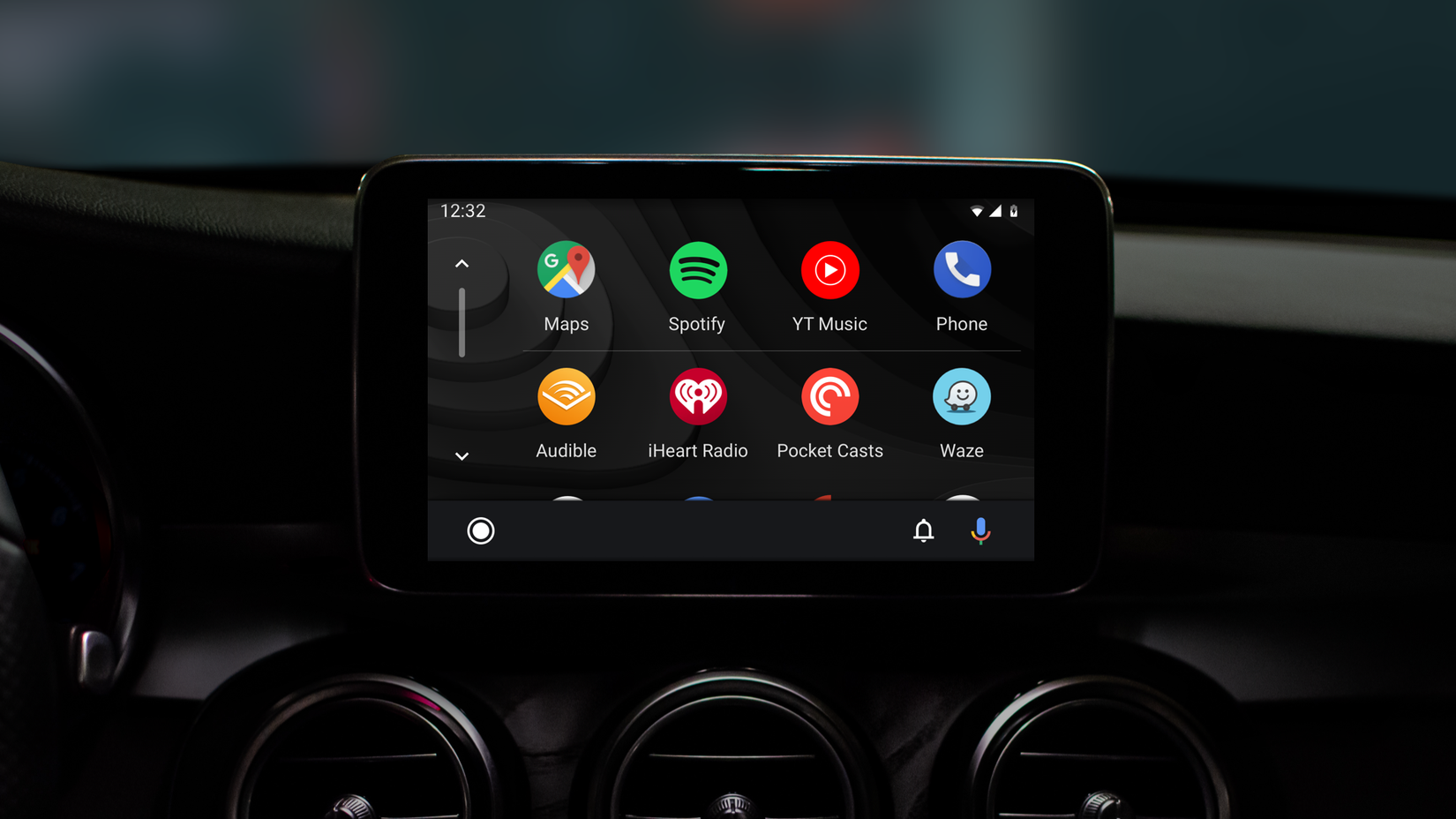
The emergence of Android Auto lifted cars from their early struggle, adding a reliable and useful interface and access to great Android Auto apps like Spotify and Google Maps.
So companies would have to be mad to leave Android Auto behind, right? As a fan of Android Auto, you might think so.
However, car companies around the world are starting to disagree, and we’re starting to see Android Auto being left out of new models.
Here’s why it seems to be happening, and why your future car may not include Android Auto at all.

Goodbye, Android Auto and CarPlay
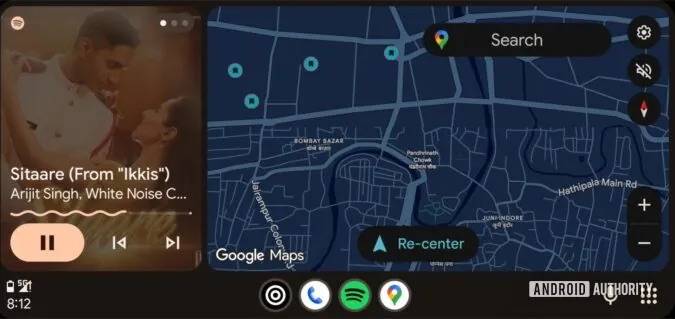
Credit: Android Authority
While this transition is still in its very early stages, there are an alarmingly large number of companies planning to drop Android Auto support in the next few years.
GM announced in October of last year that it aimed to remove Android Auto and CarPlay from its newest cars and will instead work on its own system that integrates Google Gemini as an AI assistant.
This change is years away, but work is definitely underway.
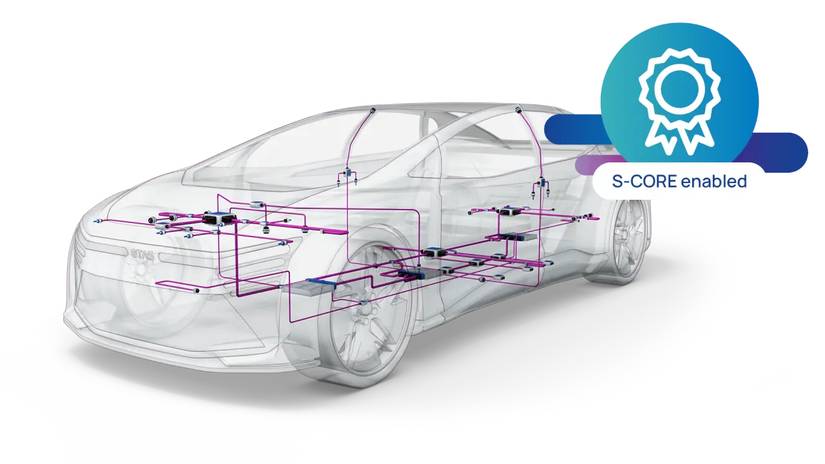
BMW, Mercedes-Benz, and Volkswagen have joined forces with eight other companies as part of the VDA’s (German Association of the Automotive Industry) drive to create an open source alternative to Android Auto and CarPlay.
Their headline product, “S-Core” (Safety Open Vehicle Core), is essentially a backbone that provides the vital core services while allowing manufacturers to build on it to suit their own cars.
It’s hoped a more advanced version of this will be available at some point in 2026.
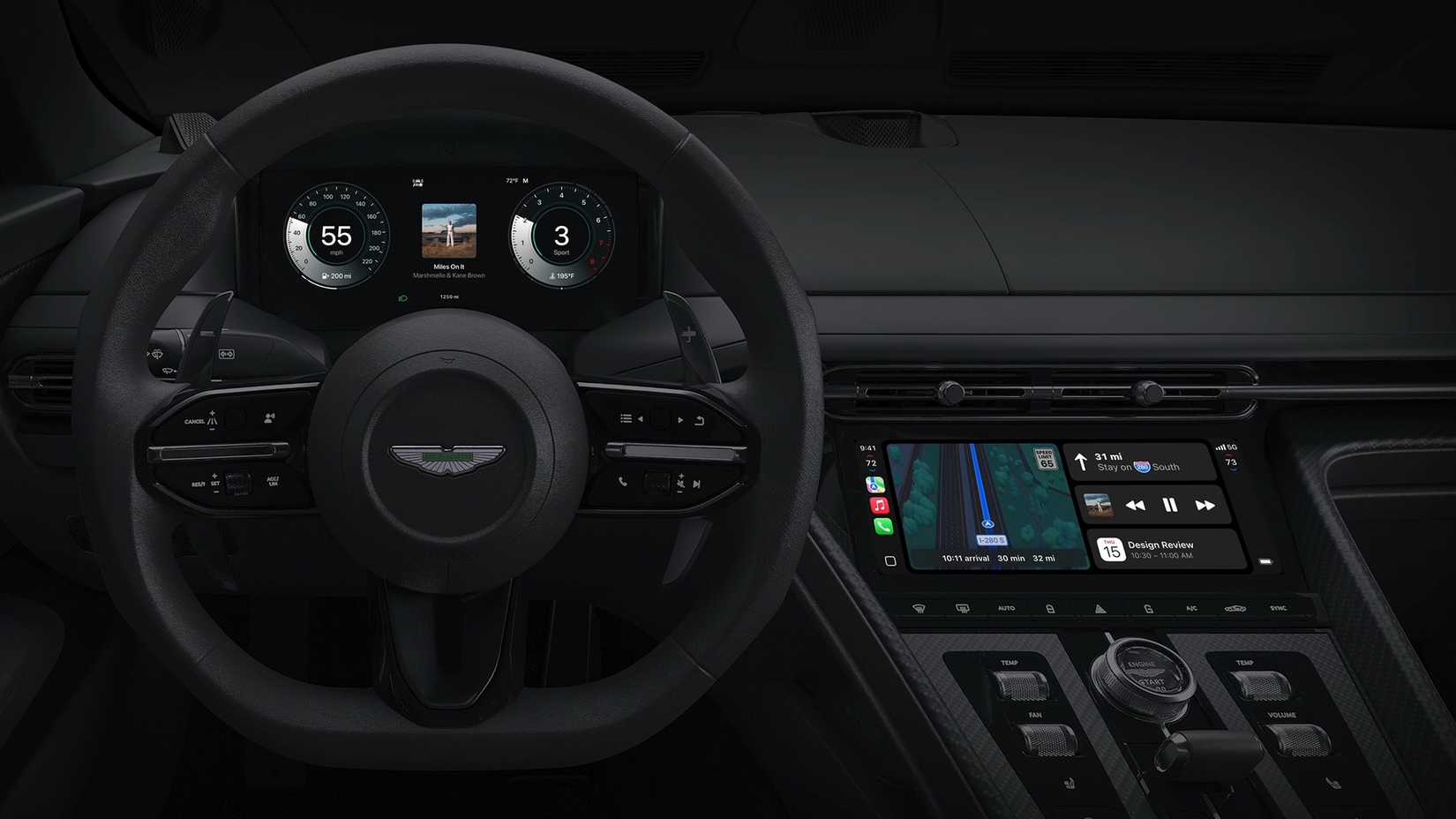
Credit: Apple
Still, the most stark indication of the decline of Android Auto and CarPlay comes in the form of CarPlay Ultra support. Or rather, the abject lack of it.
While Aston Martin has implemented CarPlay Ultra, Hyundai, Kia, and Genesis have quietly gone back on commitments to adopt it, and Mercedes, Audi, Volvo, Polestar, and BMW have gone as far as to outright state they’ll stick with the basic CarPlay instead.
It’s a bit of a disaster for Apple, but the reasons Ultra has seemingly failed are the same reasons why companies want to stop using Android Auto and CarPlay, but writ large. They feel they’re giving up too much.
It’s all about control

It’s important to note that implementing Android Auto or CarPlay isn’t an expensive endeavor.
Google allegedly doesn’t charge companies for Android Auto, and while Apple does ask for a small fee for the right to add the integration, it’s supposedly not particularly large.
There are fees for installing it and the hardware, but neither seems to be a moneymaker for Google or Apple in this regard.
So why bother making them at all?
It’s because of what both companies get from people using their automotive operating systems. As always in this day and age, it’s about data and the control you get from collecting it.
Credit: Lucas Gouveia / Android Police | VLADIMIR VK / Shutterstock
Google or Apple will be collecting data about anything and everything you do through Android Auto and CarPlay, from location data to your speed.
Heck, they’ll even know exactly which apps you were using and when.
It’s likely CarPlay Ultra has taken this a step too far. It supposedly takes control of all screens and systems in the car, which may be why so many manufacturers are hesitant to start using it.
It also highlights a sore spot for many manufacturers: Why aren’t they getting the precious data facilitated by their cars? Jettisoning Android Auto and CarPlay is a big part of the answer.
Welcome back, Android Auto and CarPlay …?
Credit: ETAS
It’s really not clear what the answer will be, and some of the active solutions are a little confusing.
Take GM’s plan to integrate Gemini with its own system — far from removing Google from the process, you’ve added its hottest product instead.
Plus, Gemini is hardly going to leave data on the table, so if the idea was to lessen Google’s ability to gather data, then this isn’t the way to go.
The joint efforts of BMW, Mercedes-Benz, and Volkswagen feel like a better way to go, but it’s worth remembering that one of Android Auto’s strengths is the large roster of apps it provides.
Without access to Spotify, Google Maps, and the other apps we’ve all come to rely upon, it’s hard to see this as anything other than a downgrade.
Using a forked version of Android could work, but that has its own problems.
Even if you can persuade companies like Spotify to put their apps on a new app store, it’s likely that those apps would not be updated as often as the Android Auto versions, which would be another downgrade.
It’s obviously possible to go without Android Auto and CarPlay, as companies like Rivian and Tesla can attest.
But for those consumers who have used them and enjoy them? Would they be as happy to lose support on their new cars?
Should carmakers decide to drop Android Auto and CarPlay, only consumer pressure will get them to return. And if they’re not able to deliver as good or better an experience, the pressure will be there.
Change will be slow, as it ever is in the automotive industry. But it definitely seems to be coming. It simply remains to be seen whether it’s for the good or not.











