


I have a soft spot in my heart for Vertu, the British luxury phone manufacturer famed for its handmade devices, partnerships with brands like Bentley, and for using the Symbian operating system when even Nokia had moved on from it.
This was a long time ago, and the Vertu of today appears very different, as its latest release — a smart ring — seems to prove, and it makes me a bit sad.

Meet the AI Meta Ring
It does … stuff
Credit: Vertu
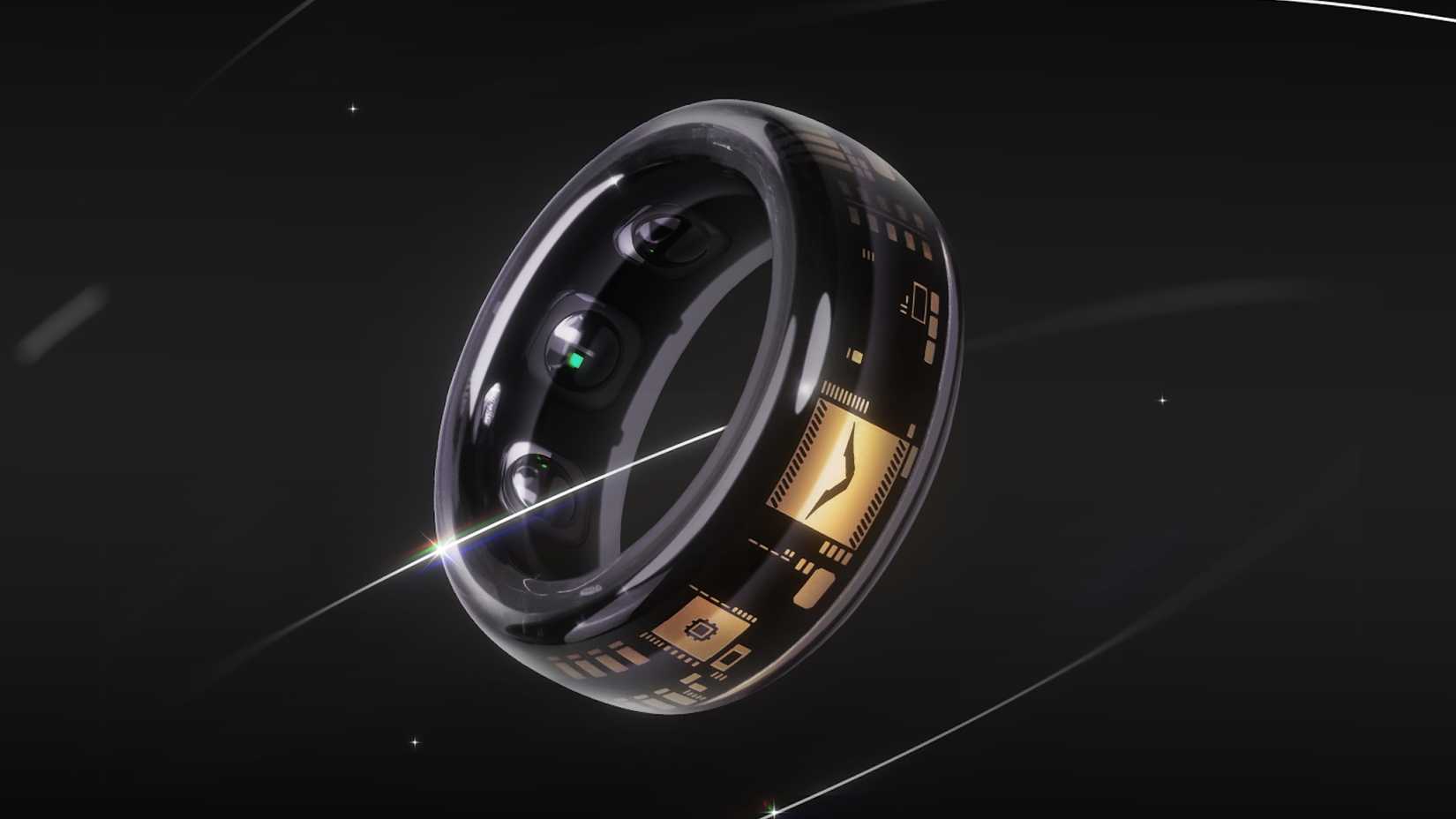
The AI Meta Ring, which costs $500, is Vertu’s most recent smart ring, and it wraps what appears to be a fairly standard health and lifestyle tracking wearable in some fancy language and, of course, some AI.
It tracks sleep, heart rate, stress, blood oxygen, and body temperature, plus it apparently also monitors blood sugar and blood pressure “trends,” although it does not go into any detail about how this is done.
This is a bit of a red flag, as both blood pressure and blood sugar monitoring are rare to find on non-medical devices, especially those as small as a smart ring.
Blood sugar monitoring is listed as a feature on smart rings made by JCRing, or Youhong Medical, a popular smart ring manufacturer, which, according to some research by Redditors, may have produced the template for Vertu’s last smart ring.
There’s an AI-driven assistant that analyzes data collected by the ring, but it doesn’t only rely on cold, hard numbers. It also integrates “diverse wisdom” from astrology and BaZi health readings to help you through the day.
It’s unclear whether Vertu’s once-celebrated concierge is available with the AI Meta Ring, but in the small print, there’s mention of a 24/7 remote medical consultation service coming with it.
However, like almost everything else about the AI Meta Ring, details are almost entirely absent.
Vertu proudly says there’s no subscription fee for any of these under-described services, and you’ll always have access to its MetaSelf app after buying the ring.
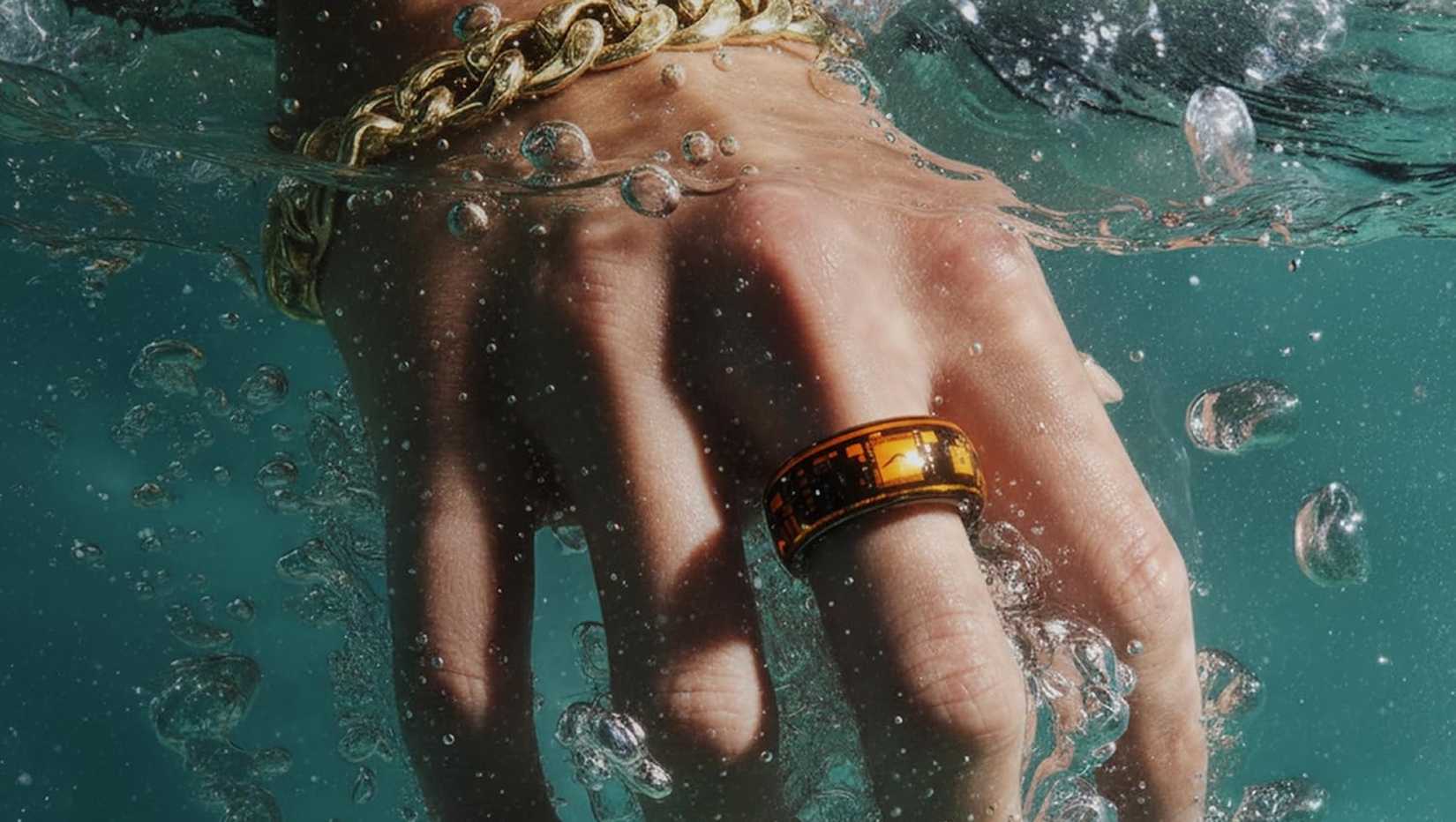
The smart ring only seems to be available in sizes 7 to 13, is made of “premium crystal” and resin, with a 5ATM water resistance rating, and approximately 10 days of battery life.
Introducing Vertu of old
A unique company in its time
Credit: Vertu
Perhaps this is the first time you’ve heard the Vertu name, and are wondering why I’m getting all flustered? Let me give you a bit of history.
More than two decades ago, Vertu was closely related to Nokia and produced luxury mobile phones that took inspiration from the high-end experience of purchasing and owning luxury watches.
Vertu hand-built its phones. How do I know for sure? In 2013, I visited its factory in the UK and watched the entire process.
One person looked after each phone, from beginning to end, and their signature was eventually etched into the device, showing you exactly who made your phone.
From specially chosen leathers, machine-turned finishing, tiny screws more commonly found inside watches, and even exclusive ringtones specially recorded by the London Symphony Orchestra, these were special phones.
Vertu was famed for its concierge service, where owners could call a special number and request assistance on just about anything.
When I reviewed one Vertu phone, I used the concierge service to help book a short vacation for my parents, and it was a memorable experience, truly emphasizing the luxury side of the phone.
Vertu phones were once about understated luxury. The combination of carefully chosen materials, beautifully made hardware, passionate people working on a brand they loved, and an end product unlike anything else made Vertu unusual and interesting.
It was also a small company, setting it apart from the huge conglomerates running mobile tech both then and now.
Unfortunately, and the point I want to highlight to you, the Vertu I knew is long gone.
The company has been through several owners since 2011, when Nokia sold off its own stake, with the most recent change of hands coming in 2017, when it was acquired by a company called Baferton.
Not the same anymore
The marketing is very 2025
I don’t think the Vertu I knew would have released the AI Meta Ring. For all its wild designs — some of which the current Vertu re-uses — it never made what I’d call a straight-up tech product.
When Vertu was acquired by Godin Holdings in 2015, I spoke to the company about its plans at the time.
This was when smartwatches were becoming popular, and then-CEO Gordon Watson said it was “inevitable” the company would one day make a wearable.
It had to bring something new to the market, though, and be made in the “Vertu way.”
Does the AI Meta Ring do that? Specs rarely mattered at Vertu, certainly not early on, and a gaudy device with nebulous features that lack much description would never have been its style.
When Wired tested one of Vertu’s recent phone releases, it also highlighted many unsettling ways the company is not the one some may remember.
The current marketing also couldn’t be further away from the Vertu that it once was. It seems to tap into some of the less appealing trends of the day.
In one Instagram Reel, an iPhone owner is compared to a Vertu owner, where the Vertu owner apparently buys everything in cash, while the iPhone owner merely pampers a credit card.
In a YouTube Short, a stack of banknotes is slapped down on a shop counter, with a demand to show them the smart ring.
Add in plenty of other far cringier efforts, and Vertu’s effortless class has completely disappeared.
While the website may still weave in references to the Vertu I knew and boast about its English heritage, it doesn’t list a physical address, and to get in contact, you call a +86-400 number, which is usually used by businesses in China.
Trading on the past?
Get the ring on Amazon, if you dare

There’s nothing wrong with Vertu being based in China, and while the marketing appears uncouth and off-putting to me, it may speak to others.
There’s not even much wrong with launching a smart ring that looks a bit too good to be true, as it certainly won’t be the only one.
So why do I say you probably shouldn’t buy one?
If you’ve seen the Vertu name and recall it from more than a decade ago, linking it with handmade, unique phones in England, complete with the signature of the technician inside, just like an AMG or Aston Martin engine, then it’s important to know this is not really the company you’re buying from today.
The AI Meta Ring can even be purchased through Amazon (something I can’t imagine Vertu ever doing with its original phones), and it’s worth checking the reviews. Most are lengthy, detailed explanations of the fitting kit, not the smart ring, and how wonderful it is.
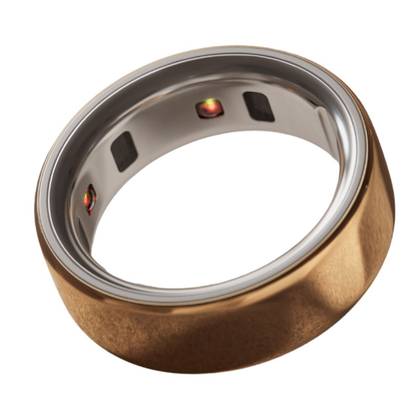
Oura Ring 4

- Heart rate monitor
-
Yes
- Notification support
-
No
- Battery life
-
Up to 8 days
- Sensors
-
Heart rate/HRV; blood oxygen; skin temperature; accelerometer
- Water Resistance
-
Water-resistant to 100 m
- Ring sizing
-
4 – 15
Odd, but I’ll give them the benefit of the doubt. However, the single, 1-star review of the actual ring is far more concerning, and reading it should immediately put prospective buyers off.
The good news is, if you want a smart ring, there are several good alternatives. The Oura Ring Ceramic is my pick, and although it has a monthly subscription attached, at least you’re assured it works and works well.
Vertu in 2025 appears to be the zombified remains of a company I have very fond memories of working with, but is no more.
If its products appeal, and you’re a risk-taker with a fat pile of cash in your hand, you may love it. But if you’re like me and remember Vertu as it was, and are expecting everything it stood for to still apply today, think twice before buying.







