

Whether it’s a piece of hardware or a digital service, letting go of something you love is hard and can change how you do things.
That’s not to say you shouldn’t pursue the art of letting go because of the difficult withdrawal phase.
The rewards post-exit are equally satisfying. That’s my experience with YouTube Premium.
I used the subscription for years and loved it, but decided to give up. While I struggled the first few days after canceling it, I’ve learned to live without my subscription.
Why I thought YouTube Premium was essential
It’s hard not to love the ad-free experience
For a content streaming platform, the core of a premium subscription is to give users an ad-free experience because ads can ruin the viewing experience.
Given how frequently ads appear on YouTube videos, the ad-free experience seems more essential than ever for enjoying content viewing on the platform.
If I had to rank my favorite features in that subscription offering, the background play support comes second and perhaps the last thing other than the ad-free experience I loved.
Listening to my favorite podcasts on YouTube without any interruptions from advertisers while working on something else on my Android phone feels great only because of the subscription.
There are other reasons to love YouTube Premium, such as Smart downloads, free YouTube Music Premium, higher bitrate content, offline downloads, and access to experimental features.
By early 2026, these perks include AI-powered tools like “Jump Ahead,” which allows Premium users to skip directly to the most interesting parts of a video based on aggregated viewer data.
However, of these benefits, the only thing I used was listening to ad-free music on the YouTube Music app.
Why I decided to cancel my YouTube Premium subscription
The unexpected downside I discovered
When I bought the Premium subscription, YouTube ads weren’t as intrusive as now, which, from a consumer’s perspective, is a dubious tactic to force people to pay for the service.
My decision to cancel the service doesn’t come as a mark of protest at Google’s way of pushing YouTube Premium to everyone. It happened because of the feeling that I was paying for most of the things I didn’t use.
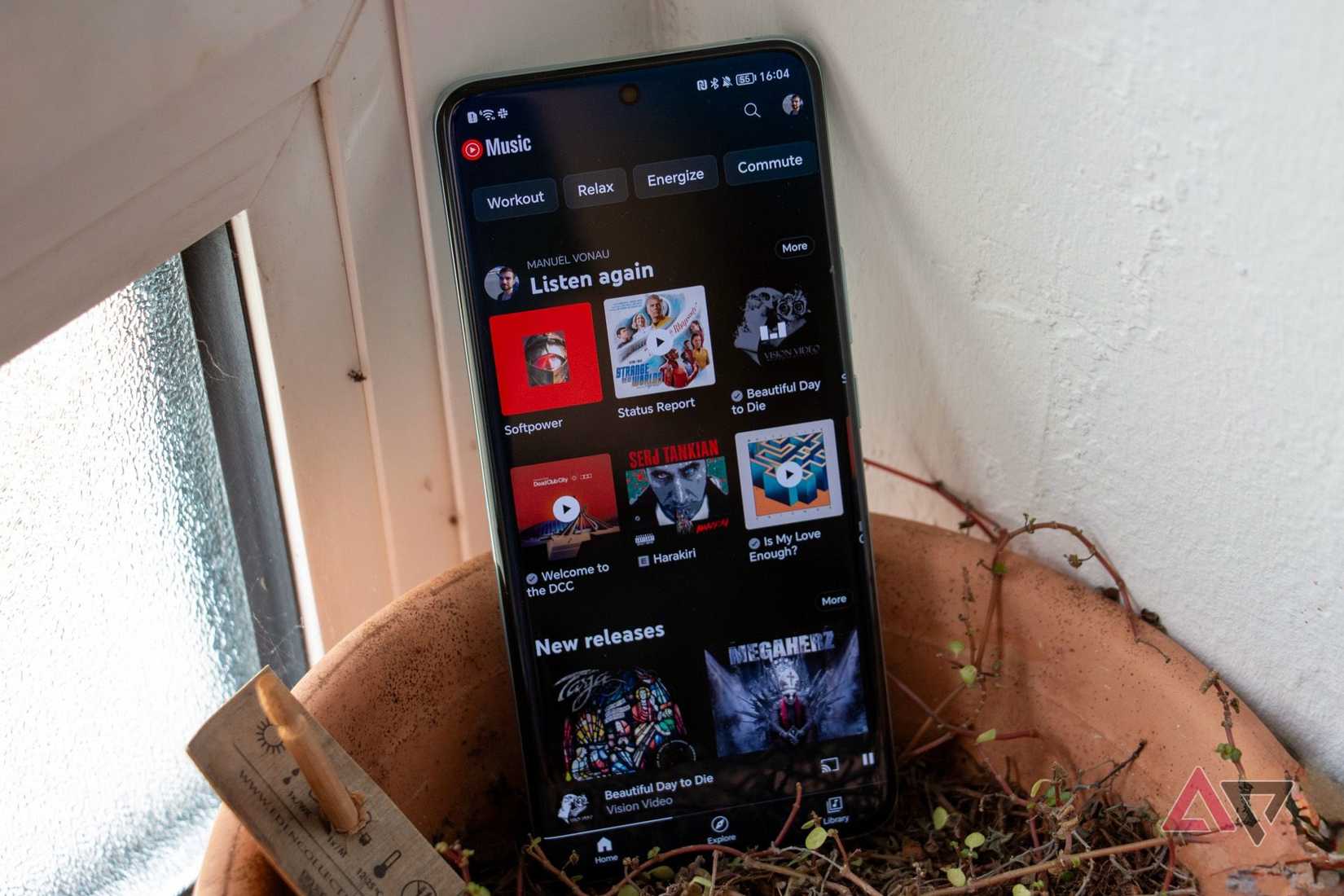
YouTube Premium costs $13.99 a month for the Individual plan, and it might seem like great value for money if you consider that YouTube Music is included in it, which otherwise would’ve cost $10.99 per month for the Individual plan.

While I love YouTube Music’s recommendation engine, I don’t like how a significant portion of my activity on YouTube Music is reflected on YouTube and vice versa.
One major annoyance I couldn’t stand was that subscribing to an artist on YouTube Music means you’re subscribed to that profile on YouTube.
Even with the January 2026 update that finally brought cross-device queue syncing to YouTube Music, the fundamental problem of a “shared” profile and cluttered UI remains a friction point for users who want to separate their music and video habits.
YouTube Music never worked for me because I’m more into having a dedicated space for listening to music and podcasts with no dependency on another platform that serves a different purpose.
For the type of content I watch on YouTube, the higher bitrate doesn’t matter. After taking these into account, $13.99 a month stings.
It’s been a rough adjustment without YouTube Premium
I don’t miss it, though
It didn’t take long to discover the fault lines of YouTube Premium and realize that I’m paying for most of the features I don’t need.
However, I took a step back from canceling my subscription previously because of the background play support and ad-free experience.
I expected it would be a rough adjustment without a YouTube Premium subscription, but I never thought the degree would be this high.
After canceling my subscription, I saw plenty of advertisements everywhere on the YouTube app: before the video, in the middle, towards the end.
They now appear more often than they used to when I started using YouTube Premium.
It’s worse if you watch on your TV. YouTube videos without a subscription on smart TVs can turn into an ad nightmare when you get back-to-back unskippable ads.
Despite the odds, I moved on from YouTube Premium because I never relied heavily on watching videos on my phone.
Using an ad blocker and Microsoft Edge’s picture‑in‑picture mode on my laptop gives me an almost ad‑free experience and lets me stay focused on other tasks while videos play in the background.
When it’s more convenient to watch on my phone, I turn to Firefox with the uBlock Origin extension. That workaround, however, is barely hanging on.
In February 2026, Google successfully blocked background playback on most third‑party mobile browsers for non‑Premium users, though some developers, like Brave, are still attempting temporary fixes.
I’m willing to pay to use YouTube if Google gets it right
The days of avoiding YouTube ads without paying for a Premium subscription are, quite frankly, coming to an end. Those days may be over by the time you read this story.
The YouTube app on my Android phone feels noticeably more fluid and cohesive than the web version — enough that I’d switch back completely if Google leaned more into simplicity and essential features.
I’m willing to pay again to use YouTube if Google launches a separate subscription plan that adds support for background play and a completely ad-free experience.
And with the rollout of YouTube Premium Lite in 2025, we finally have some middle ground.
YouTube Premium Lite offers ad-free viewing for most content like gaming and tutorials, but it excludes music videos, Shorts, and videos you see “when you search or browse.”
It also lacks the background play and offline download features that many of us consider essential.
I hope Google eventually brings a more robust version to more users at a fair price, because who likes a “workaround” when you can get things the right way?










