


Samsung Galaxy Unpacked will happen on February 25, when we expect to see the full Samsung Galaxy S26 series shown off.
While Galaxy AI and agentic AI will likely be Samsung’s keystone announcement, I’m more interested in its hardware, as I’ve been waiting for years to see Samsung make a notable improvement in its designs.
Many smartphone manufacturers have struggled to make distinct hardware improvements, but Samsung is the most conservative of the bunch.
Leaked renders of the Galaxy S26 in several colors leave little to the imagination.
If you were predicting a slab-sided phone with an identical camera layout, then congratulations, you win a pat on the back for divining the obvious.
Nevertheless, the Galaxy S26 and S26 Ultra sport a unique feature that highlights one of the most frustrating parts of modern smartphone design.
Expect major camera upgrades for the Galaxy S26 series
You’ll get better low-light photography at the very least
After Samsung teased the Galaxy S26 Ultra’s Privacy Display feature in late January 2026, it followed up with a series of three short teaser videos highlighting the new camera features coming to the phone.
The first and second videos highlighted the phones’ capabilities to record clear video in low-light conditions, and the third showed off advanced zoom capabilities.
In addition to these features, the S26 Ultra is rumored to offer a wider f/1.4 aperture on the main camera (the Galaxy S25 Ultra’s primary camera has an f/1.7 aperture) and an f/2.9 aperture on the telephoto camera (the Galaxy S25 Ultra’s telephoto camera has an f/3.4 aperture).
These numbers align with the teaser videos, which show improved low-light recording as a wider aperture allows more light to enter the camera lens.
The bad news is that these improvements are rumored only to come to the Galaxy S26 Ultra. The base model will also miss out on the S26 Ultra’s Privacy Display, which makes upgrading to anything other than the Ultra model a questionable decision.
The value of each phone widens even further when rumors point out that the Galaxy S26 Ultra can handle a 60W wired charging speed (a 15W boost over its predecessor), while the Galaxy S26 will have the same 25W limit as the S25.
If you can’t consider a future where you don’t buy a new Galaxy phone in 2026, the S26 Ultra looks like the phone to get based on pure specs.
But spec table analysis aside, there’s an interesting design change that highlights one of the most frustrating areas of smartphone development for me.
Camera bars aren’t cool and unique anymore
If you don’t have a bar, or at least an island, you’re nobody
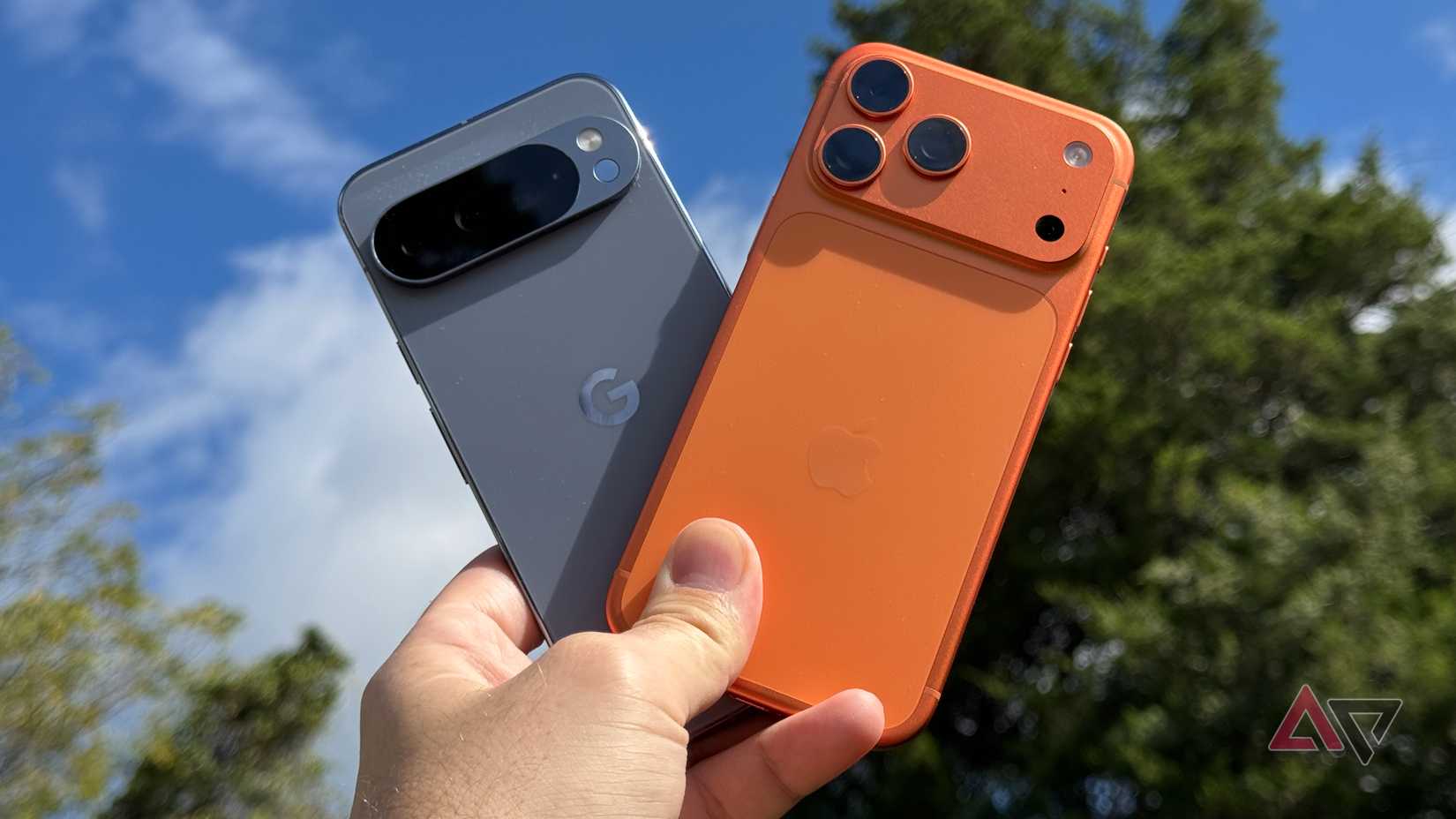
Remember when the Google Pixel 6 stole our hearts with its dramatic redesign?
The bulky camera bar marked a distinct change for Google, as it shifted to producing Tensor-powered flagships targeted at occupying the same premium space as the iPhone.
Ironically, when this strategy started to bear fruit, Apple launched the iPhone 17 Pro Max and iPhone Air, which made the camera bar no longer a distinctive Google design.
Samsung, not wanting to be left out, has joined in on the fun, although I cannot for the life of me see the point.
The Galaxy S26, S26 Plus, and S26 Ultra will house the three main cameras on a vertical camera bar.
No longer are the cameras lonely islands on a tastefully colored ocean. Now, they can live together, for no apparent reason whatsoever.
A camera bar lets a manufacturer pack in more hardware, improving the cameras and allowing more space in the phone for bigger batteries or more gizmos as a result.
But if the cameras remain the same for the S26 and S26 Plus, what’s the point?
As far as we can tell, the only upgrade that might need more space is the battery, which is 300mAh bigger on the S26 than the S25.
But this minuscule upgrade doesn’t account for the design change.
Instead, I think Samsung has completely run out of ideas and is content to follow in Apple and Google’s footsteps.
A camera bar is most noticeable with a case applied, and when that case is a different color from the bar, the phone is identifiable at a glance.
Yes, a vertical case cutout will make the S26 Ultra phone the most visually identifiable Galaxy phone at a glance, but does anyone really care at this point?
Credit: Android Headlines
It might seem like I’m making mountains out of camera bumps, but I’m deeply frustrated over Samsung’s refusal to innovate with its hardware.
Google and Apple have steadily evolved their designs, packing in better hardware and improved cameras with each redesign.
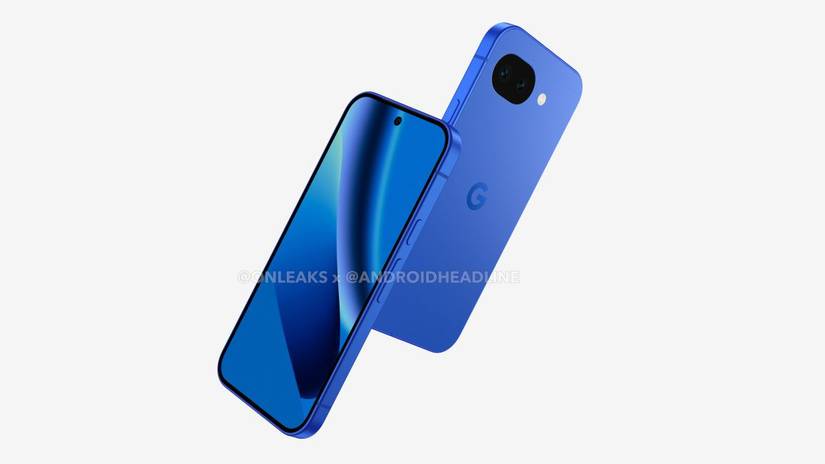
Google has even removed the camera bump entirely with the Pixel 10a, which is the most practical design choice for a smartphone.
It’s time to admit that camera upgrades aren’t necessary for base model smartphones
All this song and dance from Samsung (I enjoyed its animations promoting the new camera bar in its teaser videos) about its phones’ cameras obscures a basic truth.
We don’t need this level of camera tech on our regular smartphones.
I think the Galaxy S25 would be just as good if Samsung removed the camera bumps and made the compromises necessary for a change; it might have even been cheaper.
This trend of making cameras bigger and more obvious is great from a marketing perspective, but pointless for buyers.
If the Pixel 10a holds up better than we expect in our testing, I think that its design will make it the phone to buy for longevity and practicality, not one of these bulky devices with pointless cameras.










