


If you’ve been looking at smartglasses and been frustrated by a mostly locked-down ecosystem, the Mentra Live smartglasses may be the answer.
The open-source software comes with its own app store, where you can download MiniApps to do a host of different tasks, including a lot of livestreaming options. Whether you’ll want to do those things is another question.
New smartglasses
Credit: Mentra
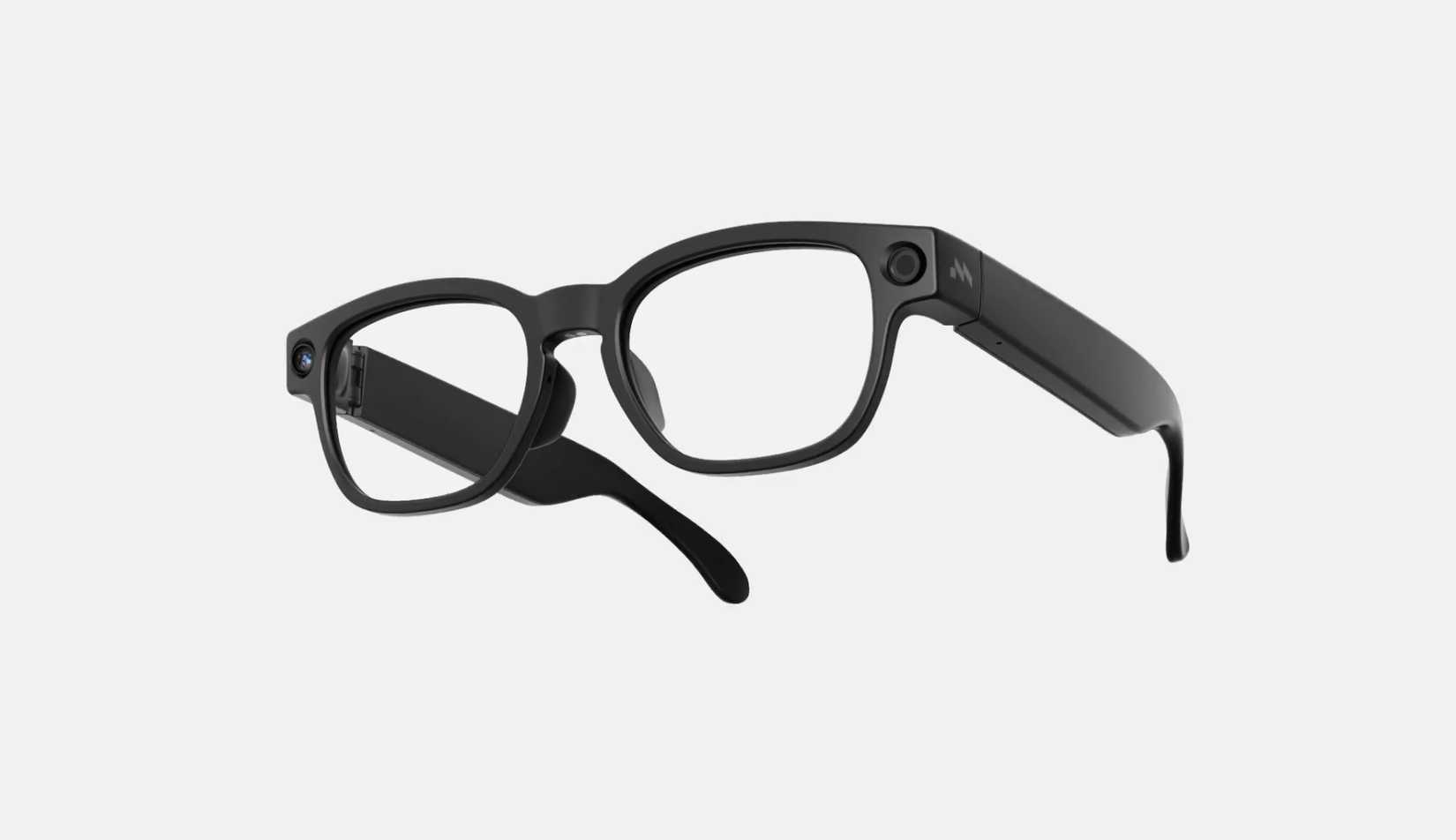
The Mentra Live smartglasses come in a single color, black, and share a similar shape and bold frame design to Ray-Ban Meta, complete with a camera in one corner, and a blank in the other to improve symmetry.
Weighing 43 grams, they’re around five grams lighter than Ray-Ban Meta, but have very different dimensions, being both wider and less tall.
Inside is a MediaTek processor and a low-power MCU, which should help lengthen the battery life. Mentra claims 12 hours from a single charge, with the case providing 50 hours of use time in total.
There’s a 12-megapixel camera in the arm which can record stabilized video and take stills, plus there are three microphones and stereo speakers, ready to make and receive calls or listen to music.
An app store
Credit: Mentra
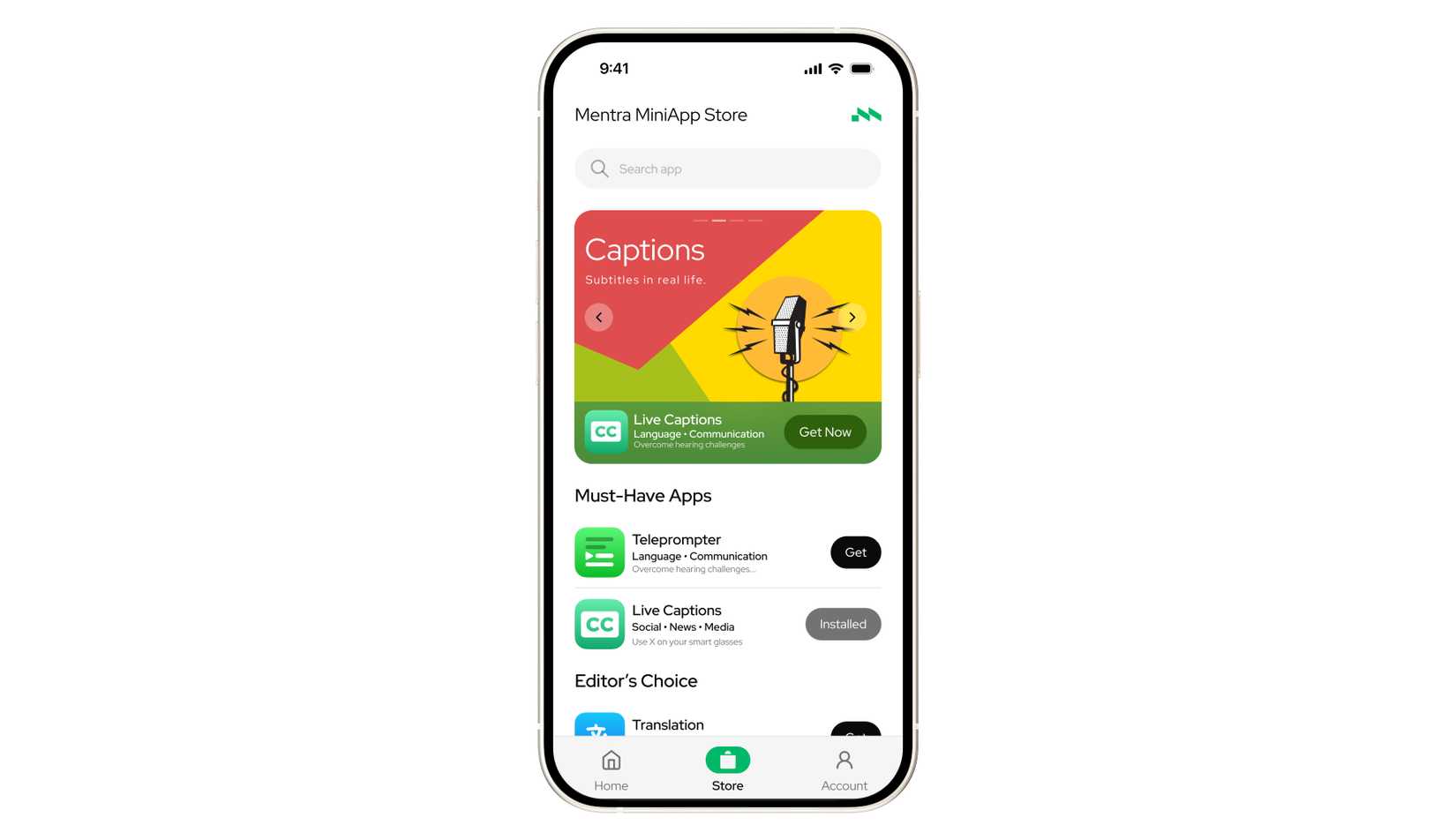
What seperates the Mentra Live from most other smartglasses is its app store. Using the Software Developer Kit (SDK), developers have been busy building apps for MentraOS, with many making use of the camera for live-streaming purposes. Mentra boasts its smartglasses are the only pair able to livestream on any social media platform.
It lists Instagram, X, YouTube, Twitch, and perhaps surprisingly OnlyFans too, where, presumably, only the performers will go hands-free.
The company goes on to add a selection of other app names, which are as left-field as promoting OF live-streaming. For example, you can cheat at chess with Chess Cheater, and make “informed decisions” about a game of poker with Poker Probability.
History and the future
You probably haven’t heard of Mentra, but you may have heard about AugmentOS, the name MentraOS went by before rebranding in mid-2025.
While Mentra is selling hardware, it’s the open-source software with an app store where the company’s hopes must lie for the future, with the founders previously describing the ethos behind it as “Android for smartglasses.” This was before Google went all-in on its own, renewed smartglass efforts.
The software is compatible with other smartglasses, such as the Even Realities G1 and pairs from Vuzix, so even if you’re intrigued by MentraOS but not the Mentra Live glasses, you may still be able to try it out.
The app store and Mentra Live’s app is available for Android and iOS.
Where to buy Mentra Live
Credit: Mentra
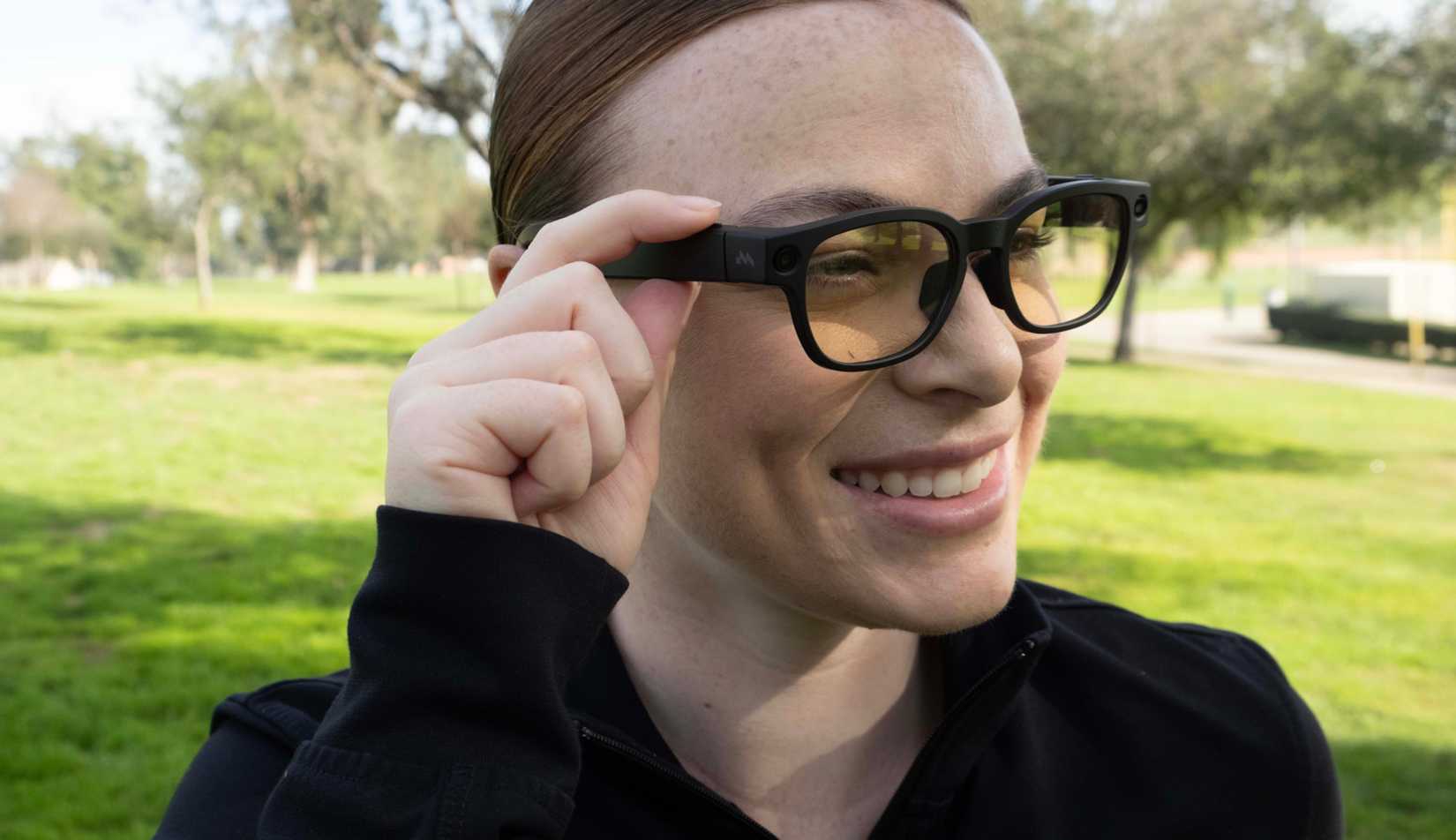
The Mentra Live smartglasses are available to order from Mentra’s own online store for $299, ready for release in March.
Mentra is only releasing 1,000 pairs though, following on from an initial batch of 1,000 released in 2025. While they appear to be consumer-ready, Mentra Live is likely to better suit developers and tinkerers, hoping to learn more about MentraOS.
While the smartglasses will take prescription lenses, Mentra does not offer the service, so you’ll have to visit your own optician. Despite a few AI features, there’s no ongoing subscription for the Mentra Live smartglasses.
Mentra is another company banking on smartglasses becoming more mainstream in 2026.









