


The OnePlus 15R is official, and I’ve been using it for the last couple of weeks. It combines everything you love about OnePlus, providing excellent performance for less.
It has the usual OnePlus software quirks, but I’m significantly more forgiving when a phone only costs $700.
It’s so solid that it makes me question why I’d want to pay up for the OnePlus 15, but that’s similar to the conversation last year when the company released the OnePlus 13R.
Like last year’s version, the phone isn’t technically a midrange device, but it more than justifies the higher price tag, and reminds me of some of the hyper-midrange devices we got a few years ago, closing the gap to flagship phones.
Here’s why the OnePlus 15R is the only phone you’ll need to buy in 2026.
The OnePlus we know and love
Powerful performance at a reasonable price
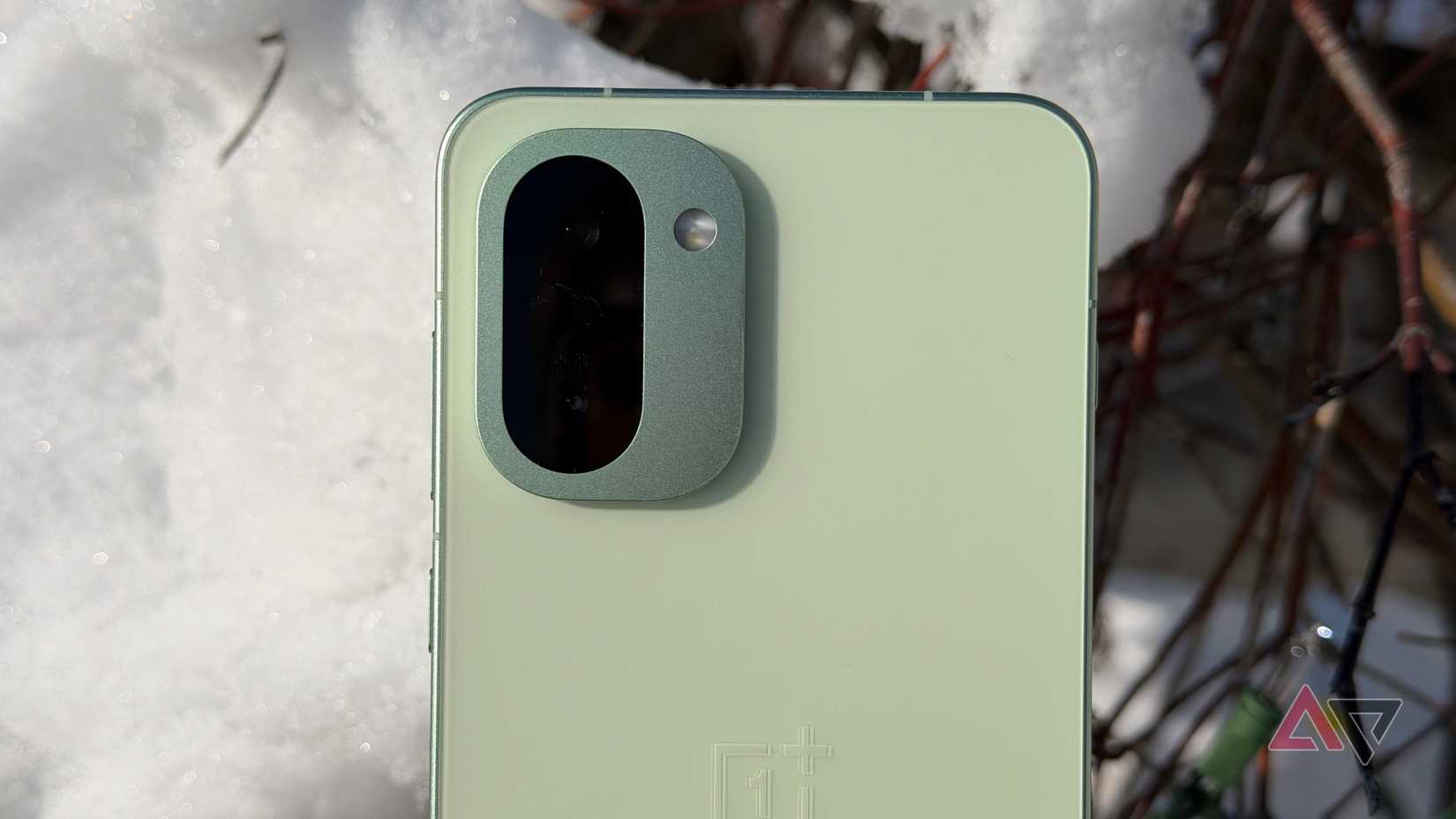
I didn’t know what to expect from the Snapdragon 8 Gen 5 chipset, but I haven’t been disappointed.
It provides outstanding performance in the OnePlus 15R, and while it’s not technically the best chipset Qualcomm has to offer, you’ll be hard-pressed to tell the difference.
The OnePlus 15R has handled everything I’ve thrown at it with ease, from smooth multitasking to excellent gaming performance at high graphics settings.
While I don’t have an exact cost, I imagine the chipset is less expensive for OnePlus to use than the rumored $280 Qualcomm charges for the Snapdragon 8 Elite Gen 5.
It’s a smart way to deliver top-tier performance without further inflating a device’s price tag, and I’m hoping other manufacturers follow suit in 2026.
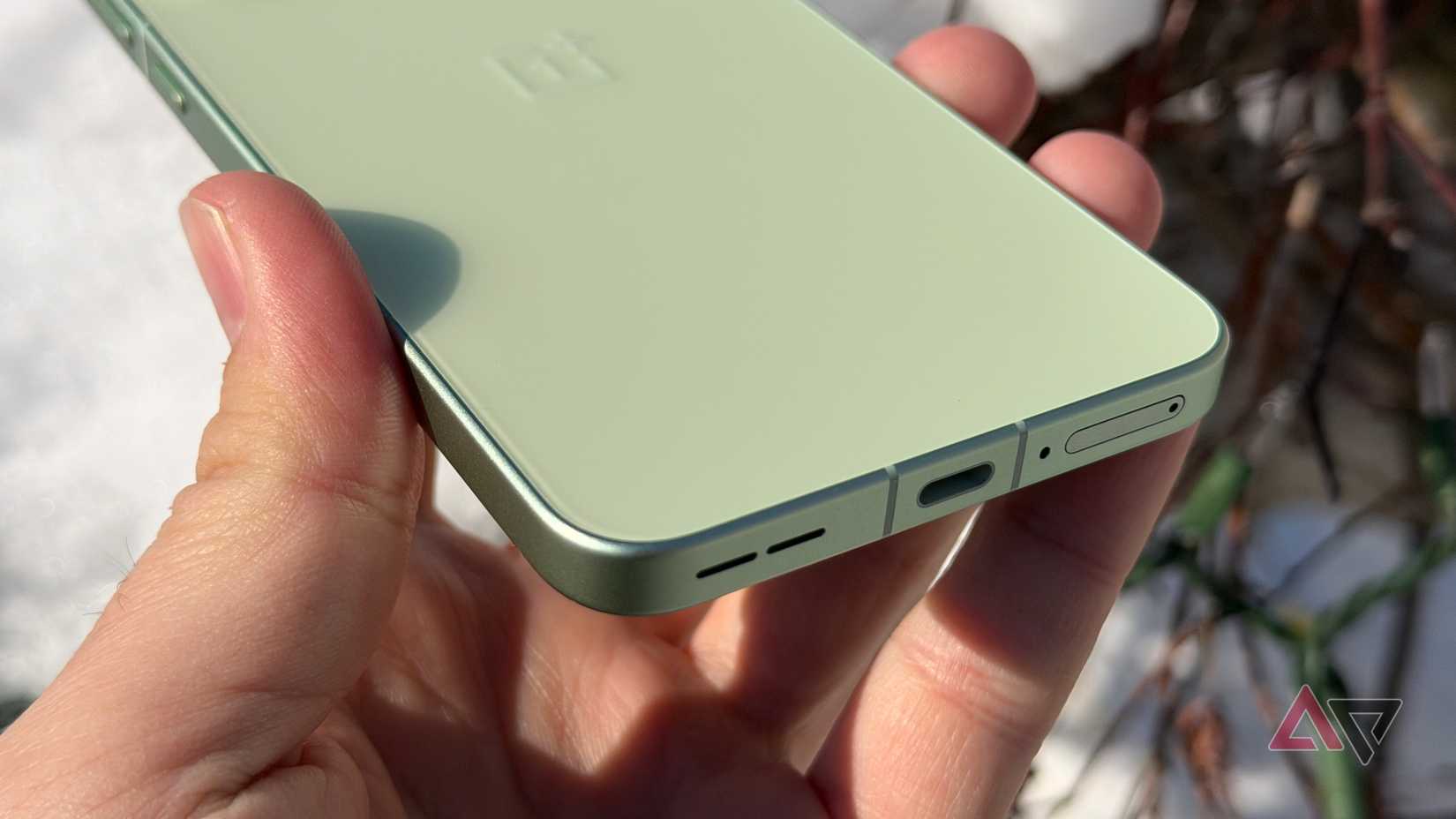
It also features 12GB of RAM and 256GB of faster UFS 4.1 storage, combining for a buttery-smooth user experience.
It almost reminds me of how OnePlus devices used to feel, before the disaster that was OxygenOS 12.
I don’t love that the base price comes in $100 higher than last year’s OnePlus 13R, but the 15R is a noticeable step-up, and the value is there.
You can pick up 512GB of storage for $800, but the device’s appeal is lost at that price.
Massive battery and high-quality display
OnePlus leaned into its strength
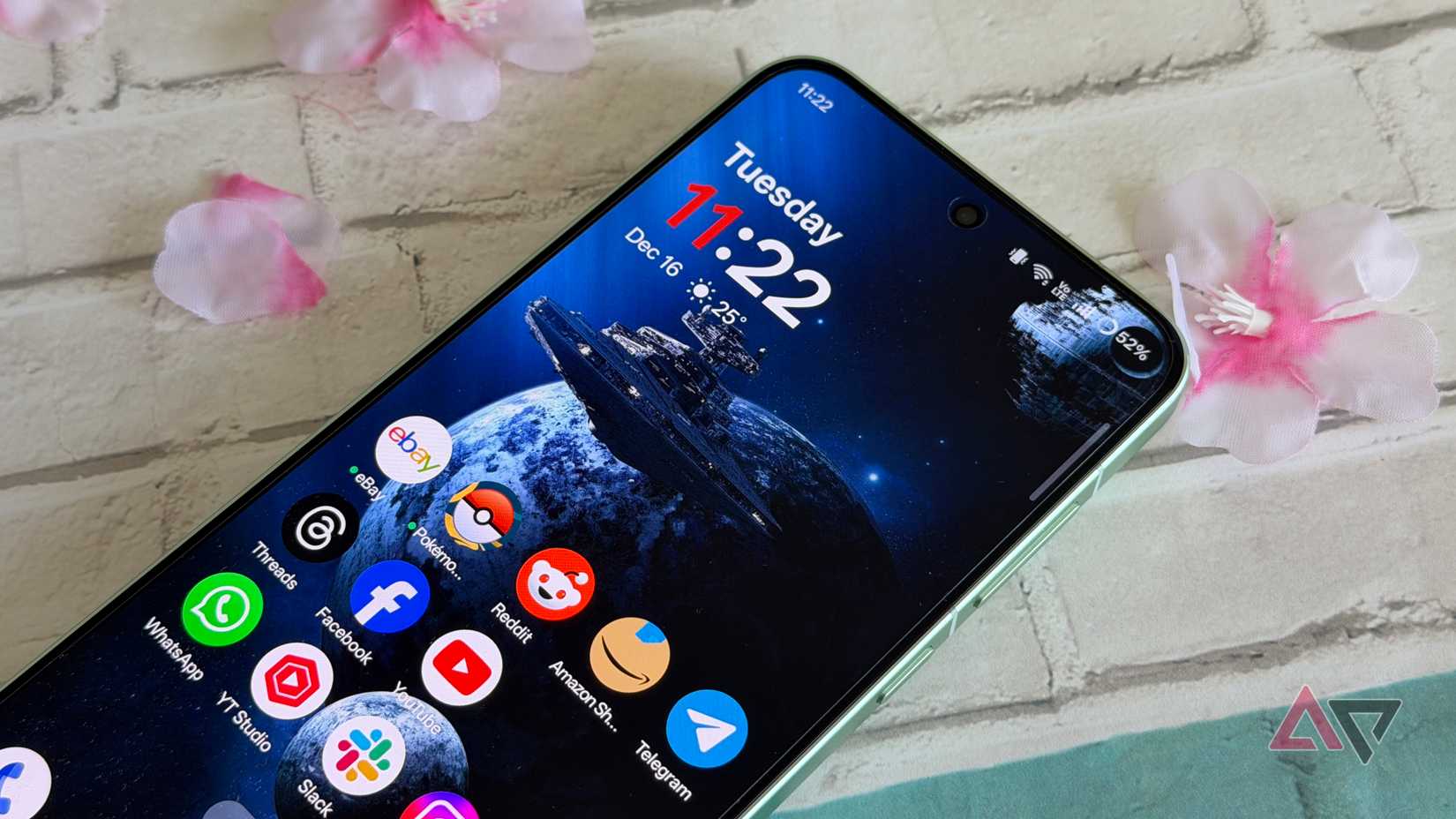
The OnePlus 13R didn’t short us on battery size, but the OnePlus 15R takes it to another level.
It features a massive 7,400mAh silicon-carbon battery that lasts me several days on a single charge.
If you’re gaming heavily on the OnePlus 15R, you’ll have to top off more often, but for regular daily tasks, you’ll never have battery anxiety again.
In North America, we get a 55W charging adapter in the box, and the OnePlus 15R supports up to 80W wired charging if you purchase an upgraded adapter.
Some people worry about faster charging speeds and battery health. I’ve been using SuperVOOC charging on OnePlus devices for years, and I’ve never had a noticeable issue.
There are battery health settings you can alter if you’re concerned, but I enjoy the faster charging speeds on OnePlus phones.
OnePlus also nailed the display on the 15R. It’s a 6.83-inch OLED panel with a 2800×1272 resolution.
It’s sharp and smooth, and while it functionally has a 120Hz display, that bumps up to 144 or 165Hz in supported games.
I love the display’s saturation, and it is bright enough for easy outdoor viewing. It’s an ideal screen for gaming, and OnePlus has geared the phone towards mobile gamers.
Decent software experience, but lacks cameras
You can’t have everything in life
For $700, I expect some compromises.
The OnePlus 15R doesn’t include the telephoto lens of its predecessor, with the company opting instead for a 50MP primary sensor and an 8MP ultrawide.
I don’t want any confusion; the photos aren’t bad from the OnePlus 15R, but the company’s DetailMax Engine is clearly a work in progress.
I get solid images in good lighting, but there’s still the occasional miss, and I find myself spending a moment or two in the viewfinder making sure everything is alright before pressing the shutter.
The OnePlus 15R reminds me of devices we used to get from the company. This camera system isn’t downright awful like some OnePlus phones from yesteryear.
However, it’s not a device aimed at shutterbugs, and even at $700, those who want top-tier camera quality should look elsewhere.
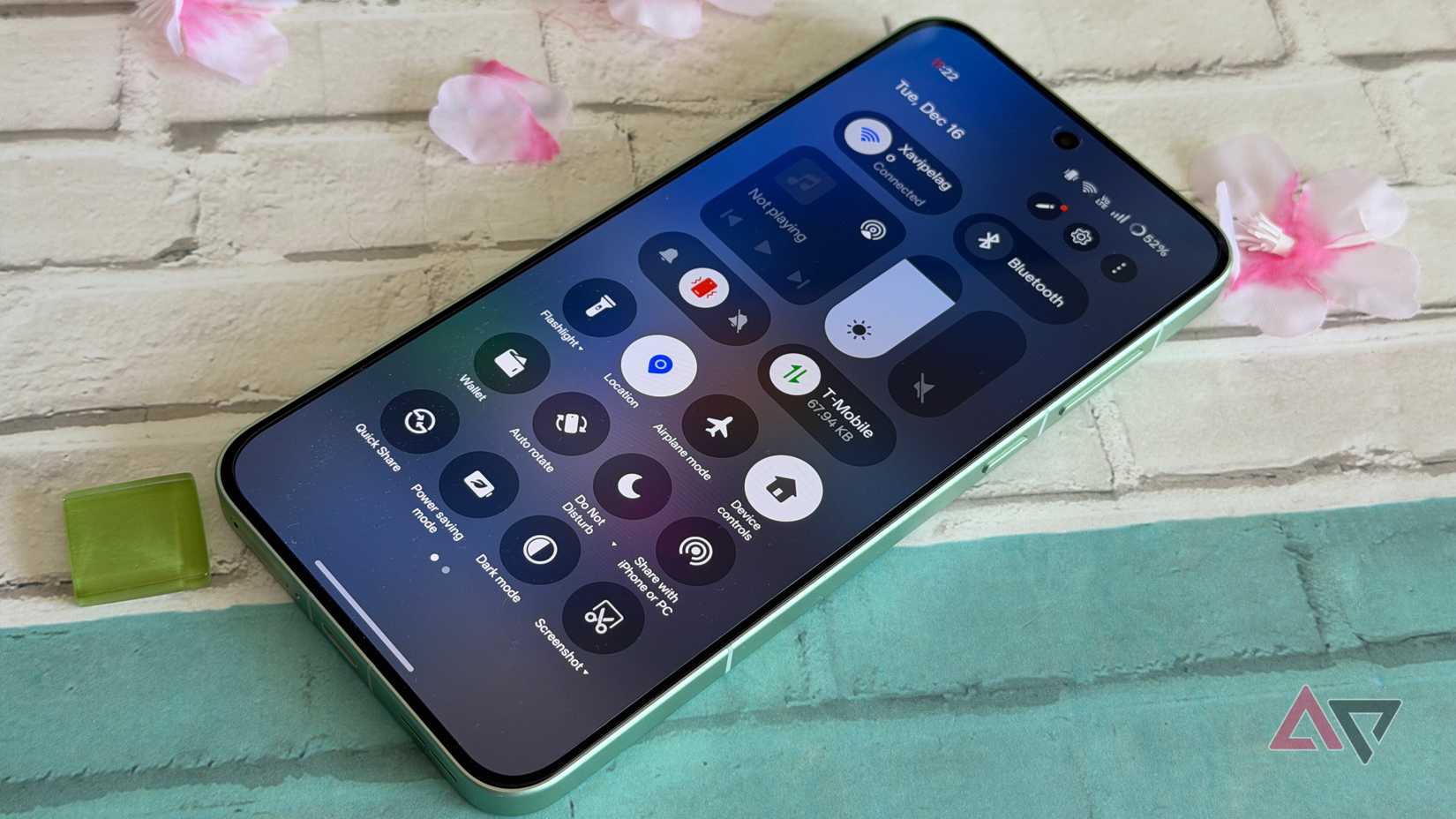
OnePlus software has improved dramatically over the last few years.
I thought OxygenOS 15 was solid, and I’ve had a similar experience on OxygenOS 16 so far.
It’s not as intuitive as Material 3 Expressive and Android 16 on the Google Pixel 10, and it’s not as robust as One UI 8 on the Galaxy S25 series, but it’s not a negative either.
OnePlus is committing to four years of OS updates and six years of security patches — a reasonable amount for a $700 phone.
Unfortunately, OnePlus has its own suite of AI tools it wants us to use.
Plus Mind seems interesting, but it’s not something I feel the need to mess with, and I immediately unbind Mind Space from the button where the alert slider used to be, opting instead to return it to its former function, albeit with a press instead of a slide.
I do miss the alert slider, but at least I don’t accidentally turn my phone’s sound on when I take it out of my jeans.
I want more phones like the OnePlus 15R in 2026
The OnePlus 15R reminds me of the Nothing Phone 2 and Motorola ThinkPhone from a couple of years ago. Devices that feature near-flagship chipsets at more palatable price points.
$700 is the sweet spot, and while there are some impressive midrange smartphones out there, the OnePlus 15R rises above for the extra money you pay.
Unfortunately, with OnePlus not in carrier stores, the 15R appears destined to be another niche device for enthusiasts.
However, if you’re willing to compromise on cameras, the OnePlus 15R should top your list in 2026.










