

When compared to the trove of top-of-the-line Android flagships, the one thing that Apple’s iPhones always get right is MagSafe support. Having native magnets not only allows iPhones to quickly snap onto chargers, it also allows for faster wireless charging, all without the need to slap on a case with magnets.
When it comes to Android flagships, most are just Qi2 ready and not truly Qi2. That means, said flagships don’t feature built-in magnets. The only Android flagship that does feature native Qi2 is Google’s Pixel 10 series, with most expecting the Galaxy S26 series to join the club.
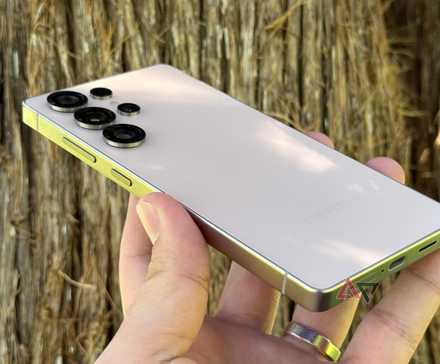
Most of those early rumors that pointed at the S26 series boasting built-in magnets might not have been completely accurate after all.
A new leak from Nieuwemobiel, pointed out by Ben Schoon over at 9to5Google, highlights the Galaxy S26 Ultra’s S Pen, alongside first-party Samsung cases for the Galaxy S26 series. Surprisingly, the first-party options offer both magnetic and non-magnetic cases.
The presence of the former is good. The presence of the latter isn’t.
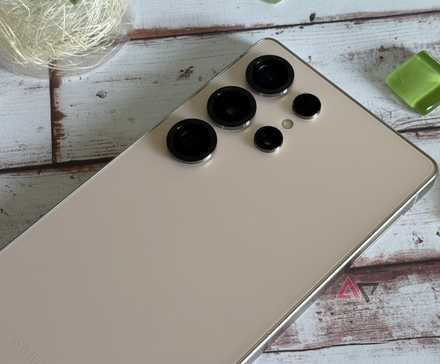
The presence of a non-magnetic first party case doesn’t make sense for a device that boasts built-in magnets. If a case has built-in magnets, a case of any thickness (without magnets) weakens that native magnetic pull.
The logic here is that if the Galaxy S26 had native magnets, Samsung would not bother selling a ‘standard,’ because said standard case effectively breaks one of the phone’s new primary hardware features.
Same old, same old
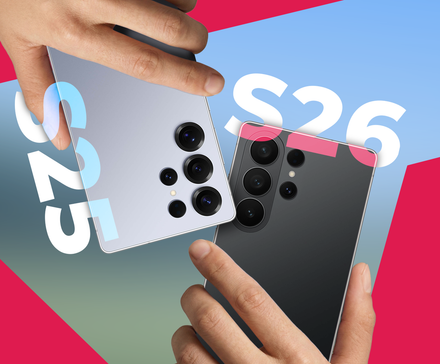
The Galaxy S26 series, especially the S26 Ultra, is largely expected to be a re-skinned S25 Ultra. In recent official renders, the device appears to retain its predecessor’s flat frame with curved edges, complete with a standard centered hole-punch selfie camera and thin bezels.
The device is also reported to retain its 5,000mAh cell. Proper Qi2 charging would have been the device’s saving grace, and now, with that too looking like an idea left behind, Samsung is letting Google drive home the narrative that its phones are what modern Android flagships should be like. Take this tweet that Google posted earlier today, for example:










