


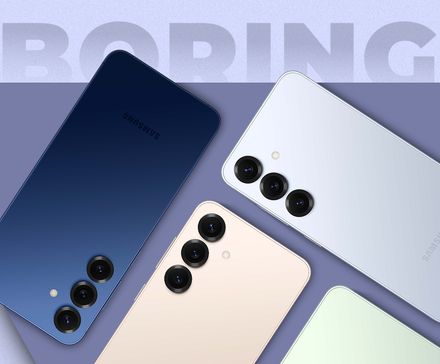
Phones are boring now, and we all know it.
Launching something different has become such a novelty that we get excited when phones switch from curved to flat sides.
Year after year, we see phones that could have been launched years ago.
The Galaxy S range is all the proof I need for that — when’s the last time we had a truly fresh Ultra model? It was about six years ago, and that’s shocking.
But it doesn’t have to be this way.
Boring phones have their upsides, but there are ways to ensure they don’t feel quite so boring. And it’s by focusing more on a criminally underused part of smartphones.
The mundane is comforting
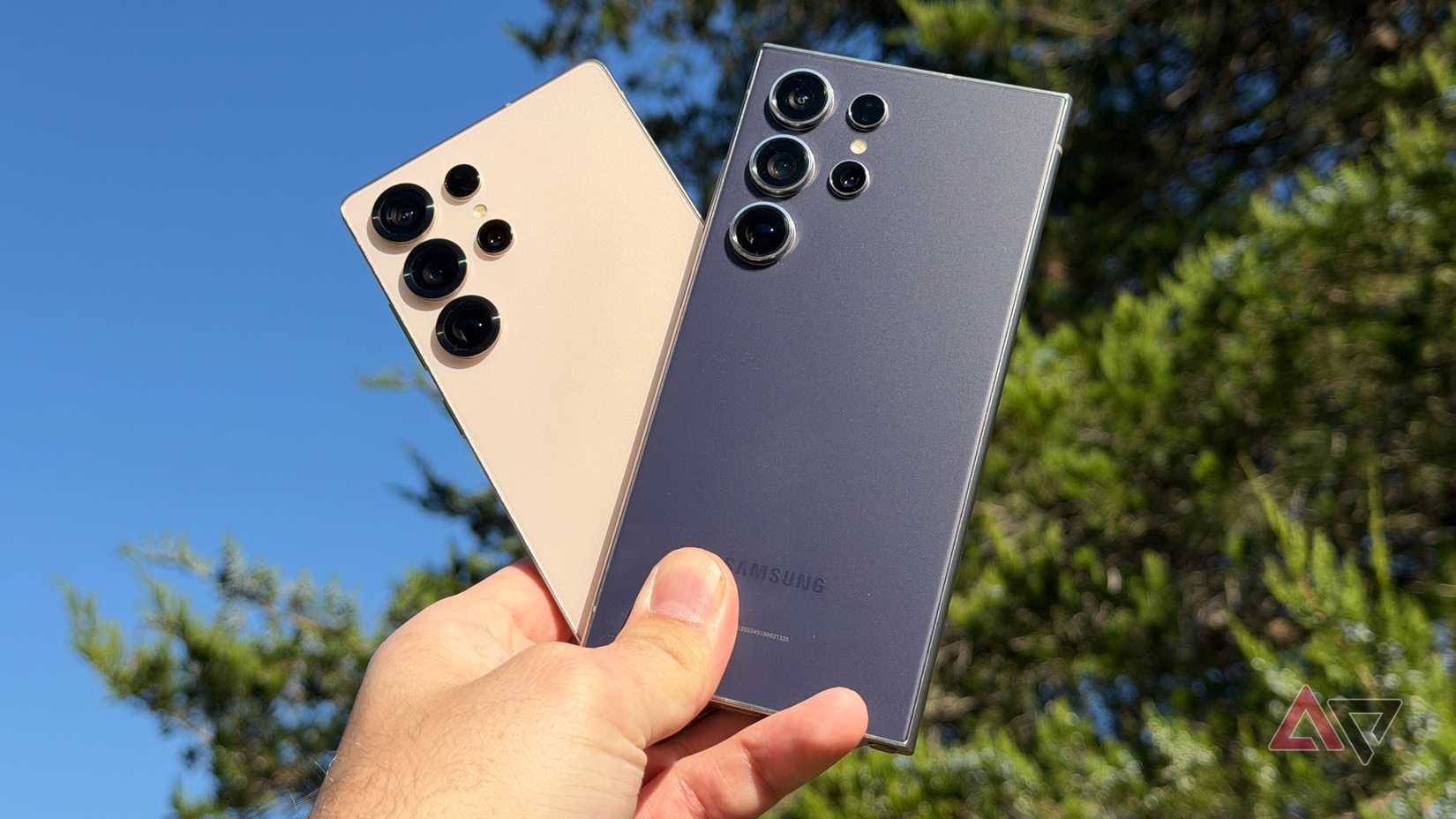
Mundanity is often seen as a bad thing, and that’s because it often is. But I maintain there’s an upside that can make a touch of the mundane worthwhile.
Consider a person upgrading their smartphone. They like their current phone, but fancy something more up-to-date.
Will they buy something new and unfamiliar, or the newer phone that’s almost identical to their current one?
People can go either way, but I suspect that, in a vacuum, most people will choose the familiar over a leap into the dark.
You know what you’re getting when your new phone is much the same as your old one.
Sure, you lose some of the frisson of a truly new device, but you also know you won’t be lost or face anything really unexpected.
Mundanity can be comforting.
Yes, phones are boring, and yes, I quite like that fact. But even I, a white man who lives in Great Britain, craves some spice from time-to-time.
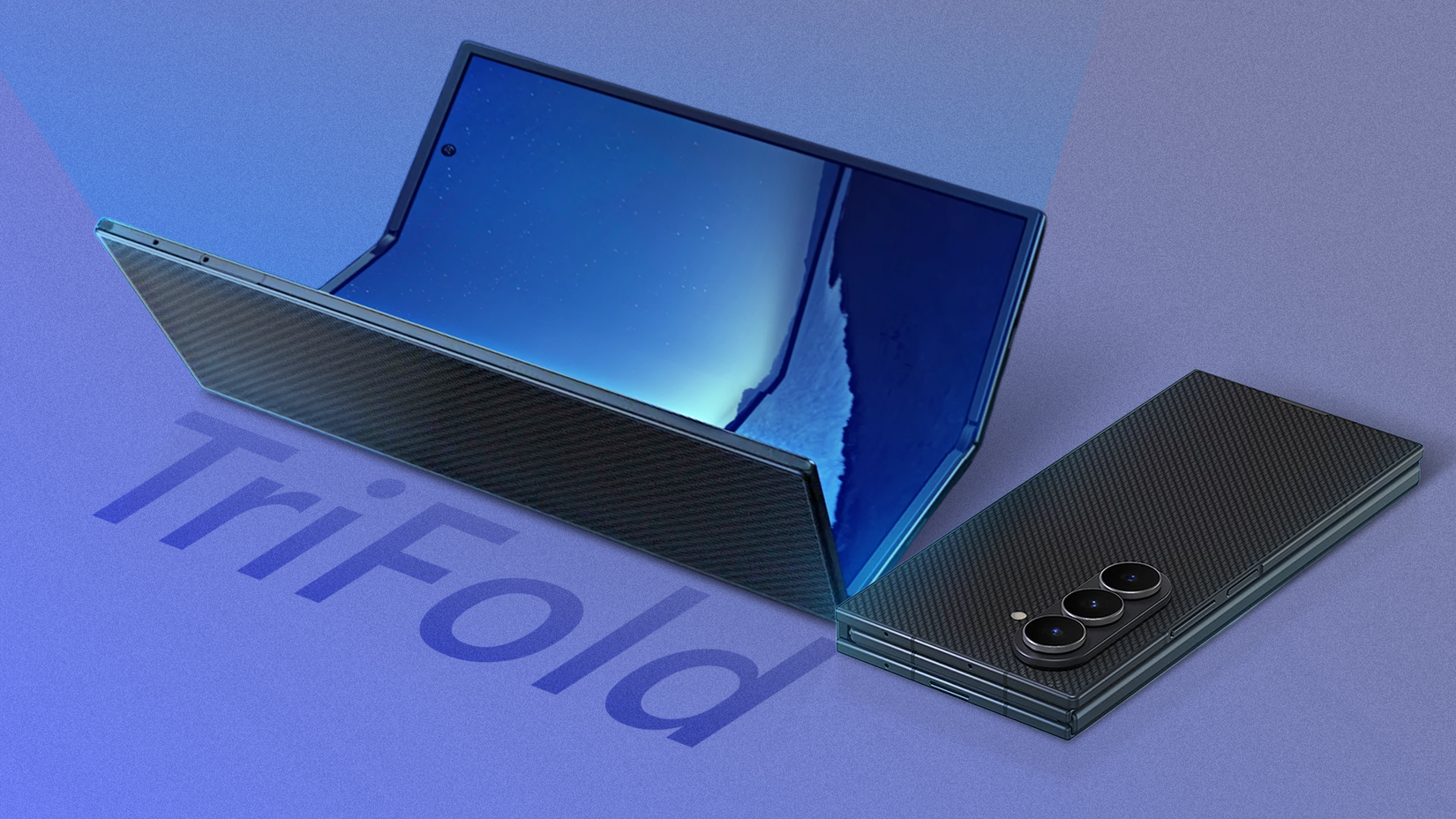
Credit: Lucas Gouveia / Android Police | Samsung
That mundanity has spread into almost all corners of the US phone market.
Not even foldable phones are immune, with most generations simply copying the one before, without any particularly huge changes.
The Samsung Galaxy Z TriFold has helped, and judging by its pre-order numbers, people are clearly liking what they’re seeing. But it’s still just a drop in the ocean.
What’s odd is we’re not really seeing this in other markets.
The Chinese market is stuffed full of manufacturers experimenting with the odd and the upgraded.
Batteries in Chinese phones often use the newer lithium-silicon tech, and sizes have swollen to 7,000mAh and above. And yet, we’ve seen most phones stall at 5,000mAh, apparently deciding that’s good enough.
Ultimately, US companies aren’t rushing to innovate because they clearly see what we have as being good enough.
And clearly consumers agree on some level, because otherwise they wouldn’t be buying new phones.
But something needs to be done, and I think I’ve found the perfect way to do it.
There’s an easy way to spice them up, but it needs to be exciting

I’m a massive fan of phone accessories.
I began my career in the tech world by working for a company that sold accessories, so I’ve been at the coal face, seen almost everything there is to offer, and played with just about everything.
And that love affair continued when I began to write for a living.
Recently, I went on a bit of a bender for Pixel 10 Pro accessories, and even went as far as to grab an e-reader that’s small enough to be an accessory.
It’s fun, and I love playing with them, and I can’t help but feel that most people don’t use them anywhere near enough. And neither do manufacturers.
Take a look at most manufacturer’s stores and see what accessories they have for sale. Cases, chargers, and probably a wireless charger or two.
Google’s Pixelsnap range is a bit more exciting, but it barely scratches the surface of what’s possible.
Oh boy, a wireless charging stand, ring stand, and, wow, another wireless charger. Useful, yes, but hardly inspiring or exciting.
We can do better. So much better.

Qi2 support by itself opens the door to so many possibilities.
Simply having the ability to attach accessories with magnets means you can have portable batteries, game controllers, and even e-readers that snap onto your phone.
We’ve even seen Clicks come up with a tiny keyboard that uses the same approach.
Even outside Qi2 there are so many opportunities.
What about a camera lens that snaps onto a case, or directly onto your phone?
Companies like Moment have offered similar tools, and I don’t see why Samsung or Google couldn’t replicate it.
Or, what about a USB hub that fits snugly onto your phone and lets Galaxy users take advantage of the desktop mode that Samsung keeps forgetting to talk about.
And there’s yet another mundanity bonus here too — because phones have barely changed in the last few years, some of these could be backwards compatible. How cool is that?
I won’t sugar coat it, this is a risk. But with the right marketing, it could work.
Make your phone truly personal

Marketing is going to be critical here. Crucial even. Though, frankly, any amount of marketing would be better than what we’ve seen in the past.
Previous trends indicate that most accessories are just chucked out into the world and expected to make their own way.
For instance, did you know Samsung sells a wireless charging portable battery? I had no idea, and I own the phone — the Z Fold 5 — it’s apparently for.
If any company goes this route, they need to make sure they’re positively crowing about their new range of accessories. Because they don’t survive on their own, because often, people don’t know to look for them.
The good news is it would be absurdly easy to do so.
People like being unique, and they like having personalized things.
Call your new accessory range “Personalizations” or something similar, and lean on the idea that people can truly make their phones their own, inside and out.
They’ll sell like hot cakes, and rightly so. Phone accessories are massively underused, both by consumers and companies alike, and more needs to be done to bring them to the fore.
Plus, it’s exactly the touch of much-needed spice the US phone market needs.







