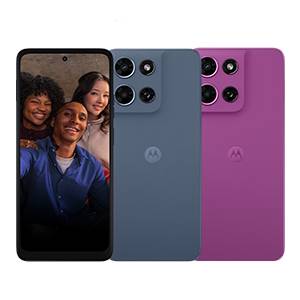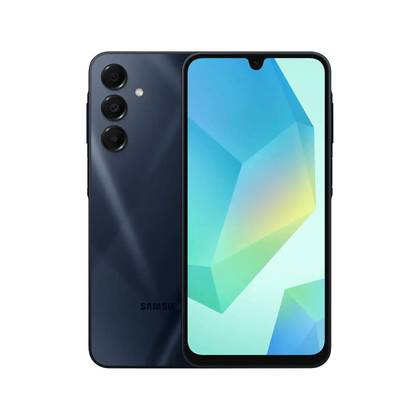
Motorola just added a new device to its budget lineup, the Moto G 2026. Its $200 price tag puts it in direct competition with Samsung’s budget workhorse, the Galaxy A16.
Both have plenty to offer, as budget phones aren’t nearly as compromised and frustrating as they used to be.
It’s my favorite market segment to cover because manufacturers have to make smart choices to keep costs down while maintaining a decent level of performance.
Samsung and Motorola share similar ideas about what makes for an excellent budget phone. However, there are distinct differences between the two that would sway you one way or another.
I’ve used the Moto G 2026 and the Samsung Galaxy A16, and here’s the one that deserves your $200.
What I enjoy about the Moto G 2026
Solid performance and decent display
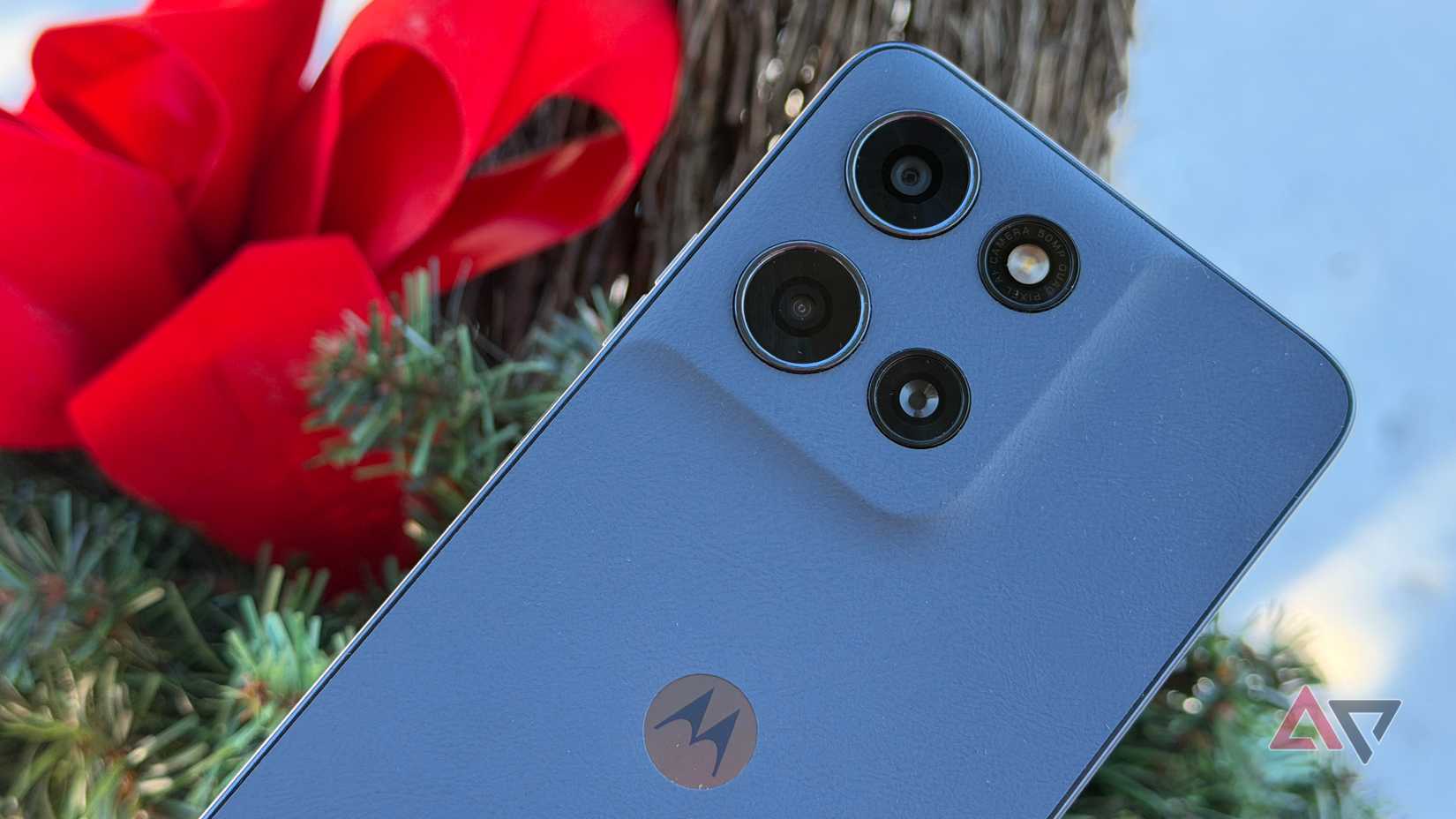
It’s important to distinguish between the Moto G 2026 and the Moto G Play 2026, since both devices were just released and have a similar price tag.
The Moto G 2026 is the one you want to buy between the two, because you get quite a bit more for your extra $20.
The Moto G 2026 features more storage, a better 50MP primary camera, and faster charging than the less expensive G Play 2026.
I’ll start with the Moto G’s advantages over the Galaxy A16.
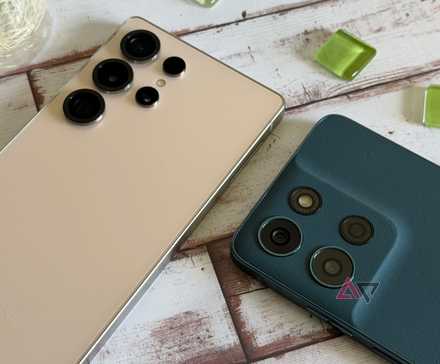
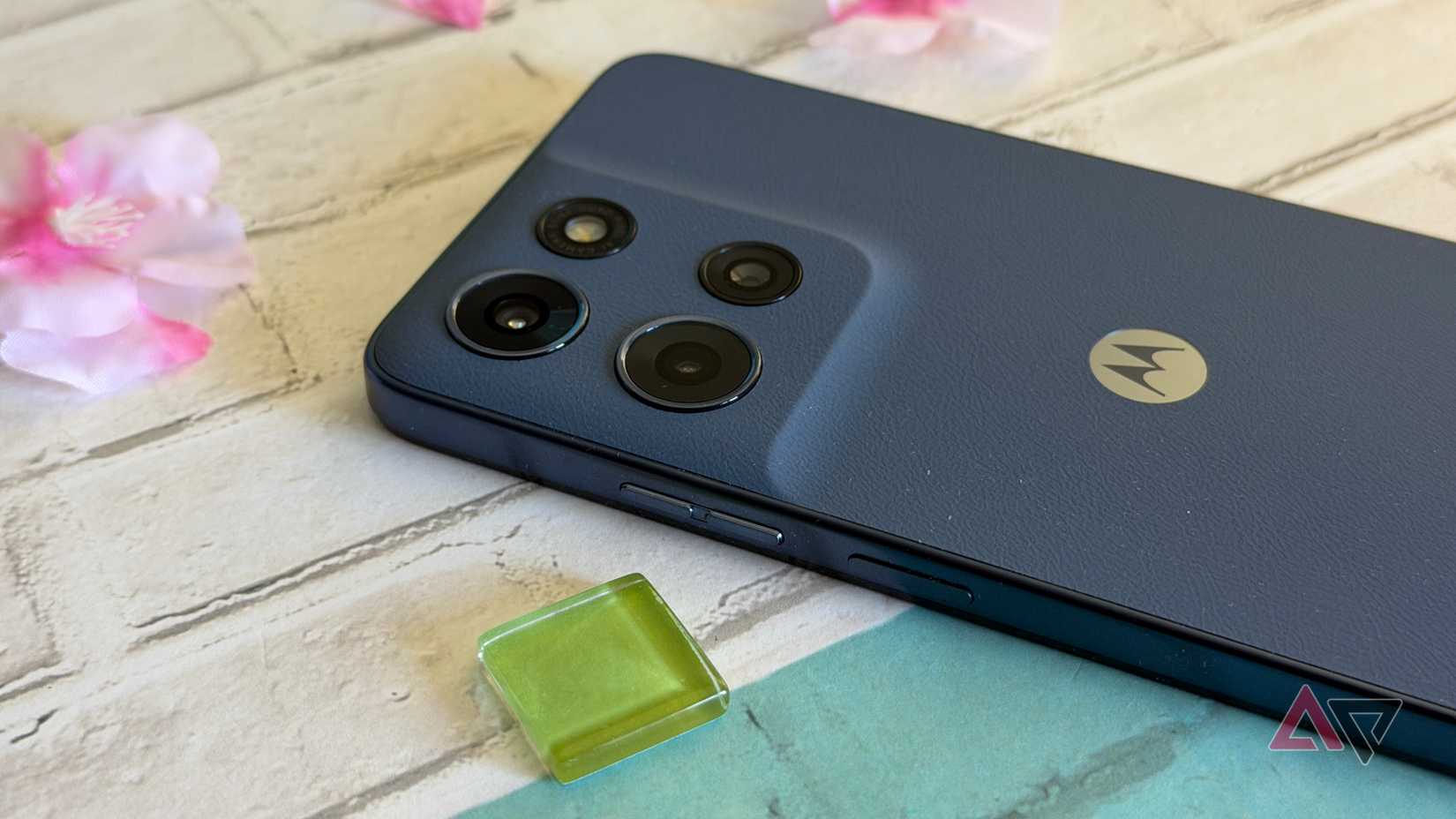
Moto’s budget phone doesn’t feel cheap. You may only be spending $200, but the phone has a relatively premium look and feel.
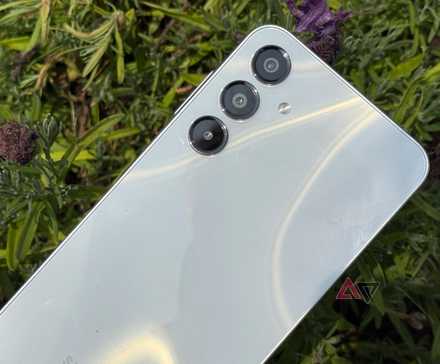
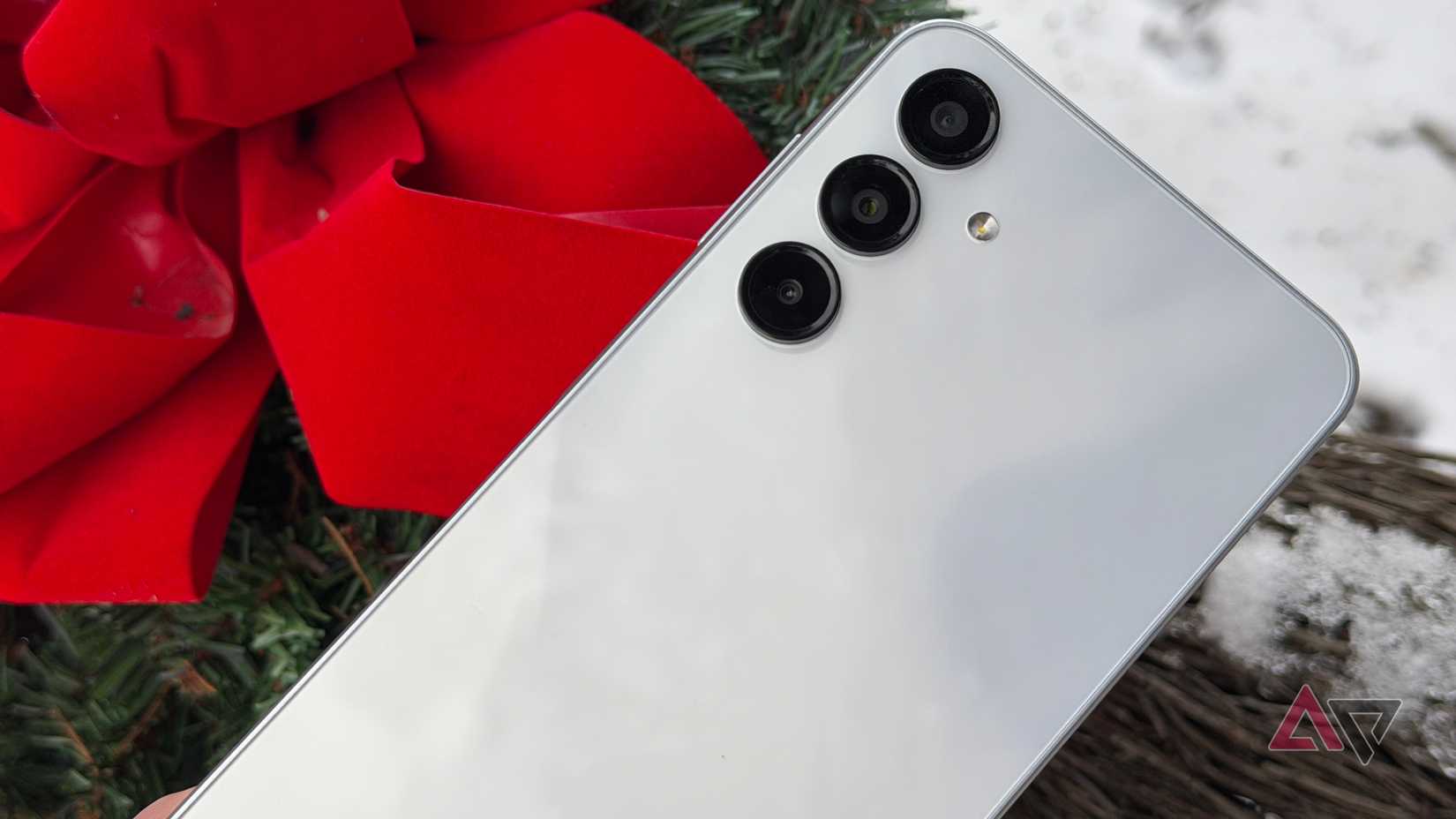
Eco-leather is the way to go on budget phones, a memo Samsung desperately needs to receive. The Moto G 2026 absolutely gets the design nod over the Galaxy A16, and it’s not even close.
I also think performance is slightly better on Moto’s budget phone — exceptionally slight.
The device is powered by a Dimensity 6300 chipset, which is capable and power-efficient. Some international variants of the Galaxy A16 even ship with a Dimensity 6300.
The spec sheets won’t show it, but anecdotally, the Moto’s performance is a touch snappier.
RAM is a limiting factor on both phones, with only 4GB. However, after you have an app up and running, the Moto G 2026 is reasonably smooth.
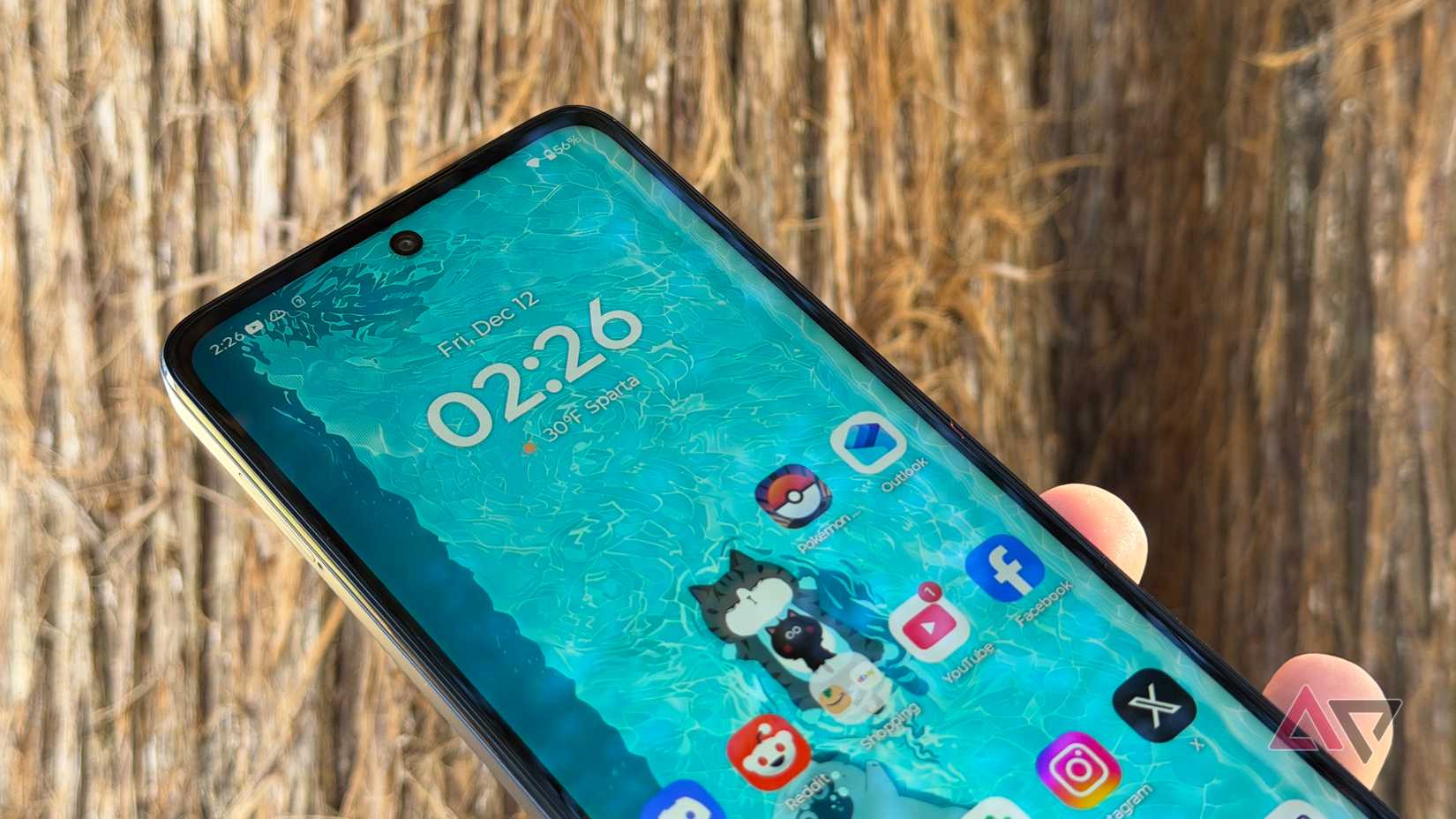
Unfortunately, $200 doesn’t get you an OLED panel on the Moto G 2026. Its 6.7-inch LCD is decent with a high 120Hz refresh rate.
It gets bright enough outdoors, and the colors are vibrant. However, it’s only 1604×720, and you will notice it’s an LCD.
I’m definitely disappointed because Motorola puts gorgeous OLED panels on its midrange devices, so I was curious what the company could do for only $200, but it wasn’t to be.
Motorola’s software experience is precisely what you expect from the company at this point, right down to the lackluster support.
For $200, there’s a good segment of buyers who just won’t care, and the Moto G 2026 is running Android 16 out of the box — a pleasant surprise.
If you plan to keep your device for years, it’s worth noting that the Galaxy A16 will offer significantly more software support, with six years of OS upgrades, compared to Motorola’s two-year support on the G 2026.
Aside from that, Hello UI is unoffensive, and the Moto Gestures and experience you know and love are here on the G 2026.
Motorola can’t seem to get out of its own way with frustrating quirks. People give Samsung a hard time about bloatware, but Motorola takes it to the next level.
The default weather app requires a payment to remove ads, and the Glance lock screen is painful to use.
Then there are the random folders for games that suggest other titles for you to download. It’s awful, and while you can remove much of it, it shouldn’t be a thing anymore.
I mentioned earlier that it was worth paying up for the Moto G over the Moto G Play because of the improved 50MP primary camera sensor.
The 50MP lens brings the phone’s photos closer to what I see on Moto’s midrange devices.
You’ll get a solid image in good lighting, with noticeably more detail than you get from the 32MP sensor in the G Play 2026.
However, comparing it to the Galaxy A16’s camera feels like a wash. Both offer similar color and image clarity, and none of their other lenses are worth mentioning.
The battery life is comparable as well between the Moto and Samsung’s budget device.
The G 2026 features a 5,200mAh cell, which easily gets me through two days of mixed use thanks to a power-efficient Dimensity 6300 chipset.
30W wired charging is fast enough for $200, and I doubt you’ll have any battery complaints.
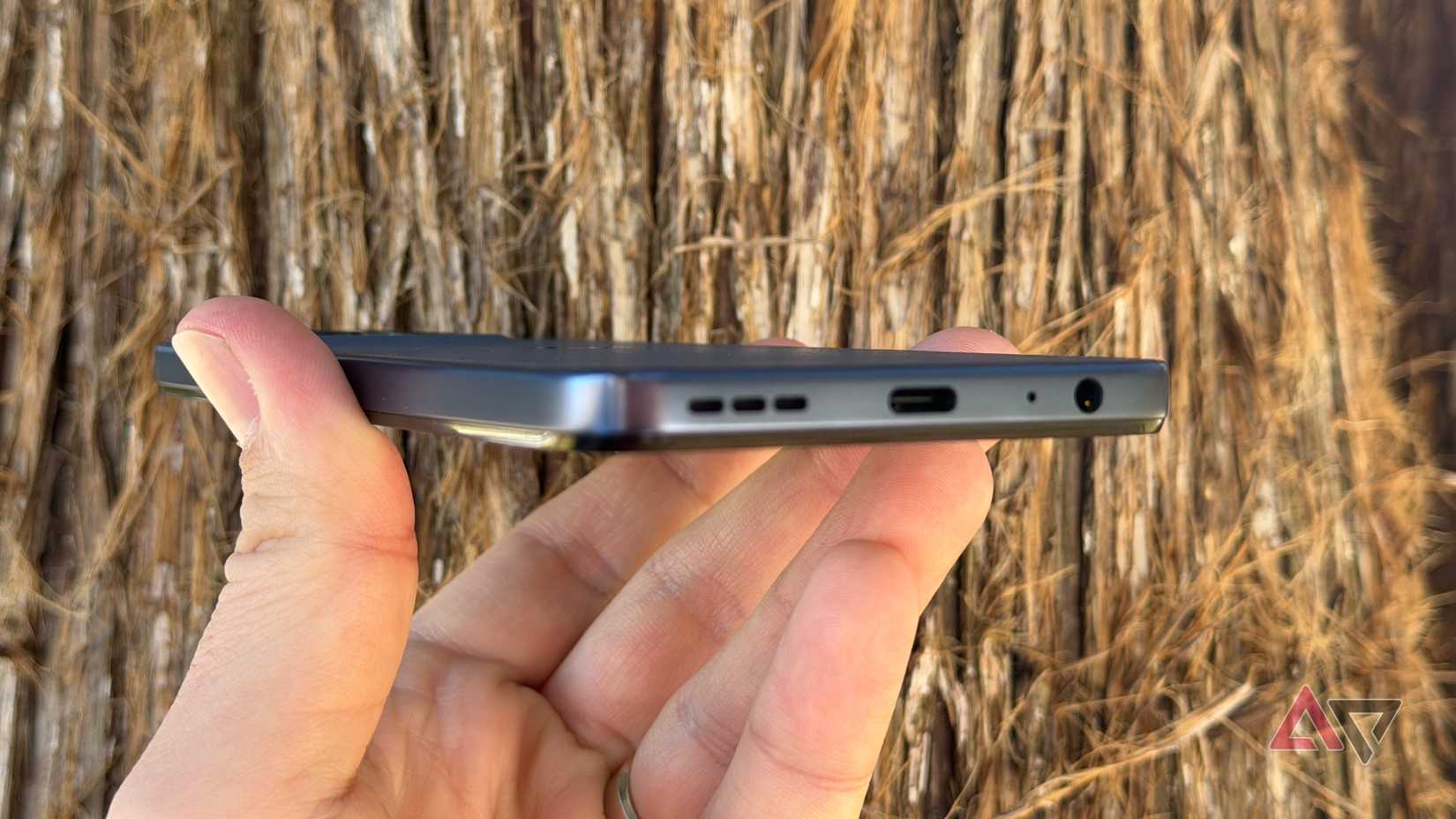
It’s also worth noting that the Moto G 2026 has both a 3.5mm headphone jack and a microSD card slot. The Galaxy A16 has a card slot but lacks a headphone jack.
What I enjoy about the Samsung Galaxy A16
OLED panel and extended software support
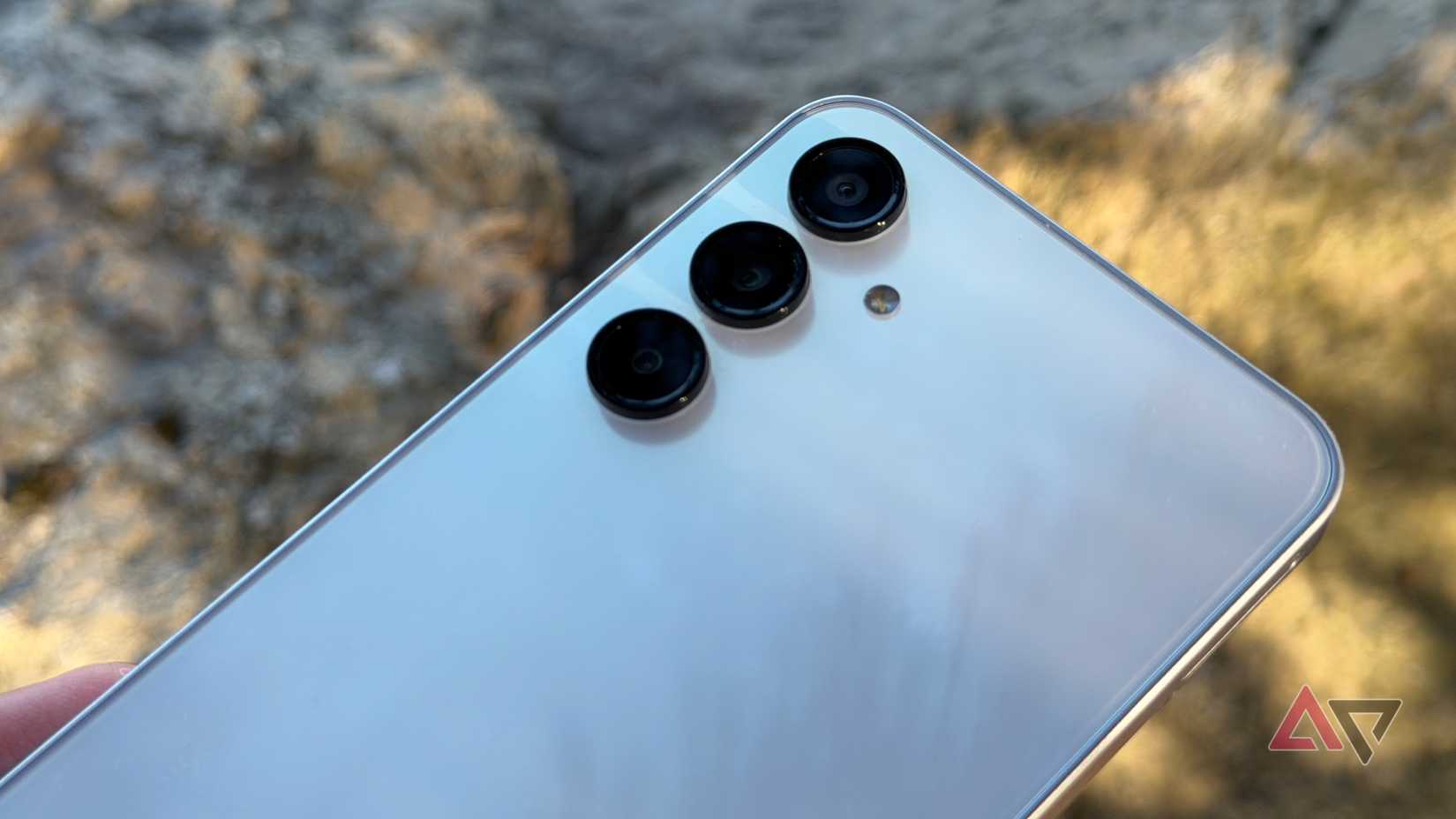
This comparison bothers me because my heart desperately wants the Moto G 2026 to be the runaway winner because of its significantly better design, but that’s not the case.
The Galaxy A16 feels cheap and is a fingerprint magnet, but it’s the smarter choice for lots of people.
Its 6.7-inch OLED panel is gorgeous, and it’s full HD, delivering a wonderful 1080p viewing experience for movies and games.
It’s bright and pleasant to use outdoors, and the display is such a vital part of any smartphone experience that it’s hard to overlook the differences between the two phones.
Software support plays a significant role.
I know Moto buyers have almost been conditioned not to care at this point, but plenty of buyers still will.
Six years of support for a $200 phone is a massive commitment, and I appreciate Samsung for making it. It’s not all talk — I have One UI 8 on my Galaxy A16, and it’s running well.
It would’ve been easy for Samsung to slap together an update and call it finished, but the company took the time to optimize its software for less powerful hardware.
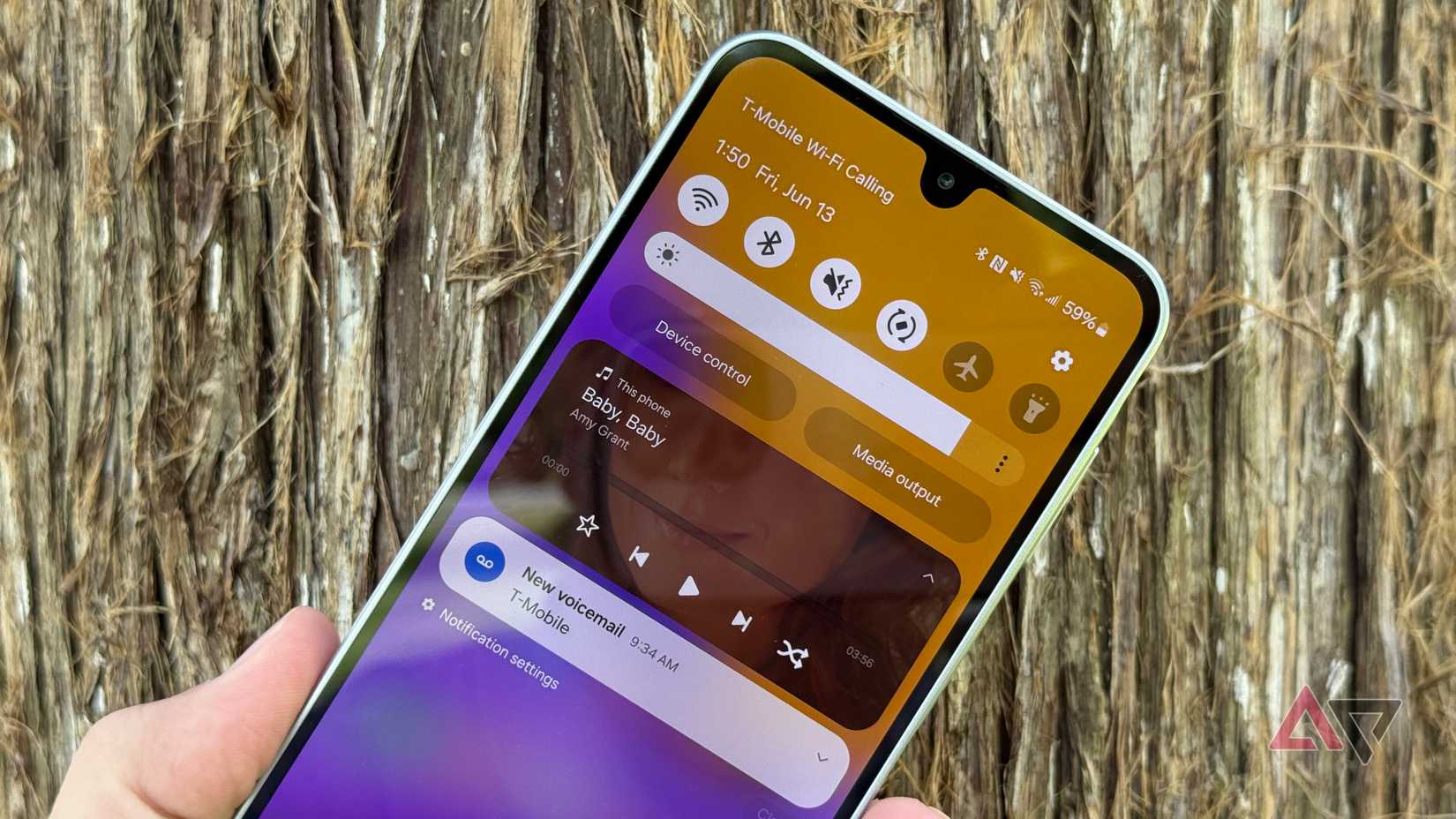
One UI 8 is full-featured and smooth, and while I don’t get all the fancy Galaxy AI toys, I really don’t care. It also includes a fraction of the annoying bloatware that plagues the Moto G 2026.
Performance is slightly better on the Moto G 2026, but that doesn’t mean the Exynos 1330 chipset in the Galaxy A16 is a slouch.
Daily tasks and even light gaming are smooth on the Galaxy A16, with the usual hiccups you’d expect on a $200 device. Don’t expect Galaxy S25 Ultra speeds, and you’ll be fine.
Like the Moto G, the Galaxy A16’s 50MP primary sensor can capture high-quality photos. In low-lighting, things fall apart, but it’ll do the job for social media.
Most people should spend their $200 on the Galaxy
If you’re a diehard Motorola fan, there’s nothing that will pull you away from the Moto G 2026 that you’re not already used to — especially from the company’s budget phones.
It’s definitely the more stylish device with slightly better performance, but most buyers should gravitate towards the Galaxy A16.
Software support matters, and the device offers an overall more complete experience for your $200.
-

Moto G (2026)
- RAM
-
4GB
- Storage
-
128GB
- Battery
-
Up to 48 hours
- Operating System
-
Android 16
- Connectivity
-
GPS, A-GPS, LTEPP, SUPL, GLONASS, Galileo
- Dimensions
-
167.15×76.40×8.44 mm
The Moto G 2026 features a 6.7-inch LCD and Dimensity 6300 chipset. It includes a 5,200mAh battery and 30W wired charging. It also features a 3.5mm headphone jack and microSD card slot for expandable storage. It sports 4GB of RAM.
-
Source: Samsung Samsung Galaxy A16 5G
- SoC
-
Exynos 1330
- RAM
-
4GB
- Storage
-
128GB
- Battery
-
5,000mAh
- Operating System
-
One UI 6.1, Android 14
- Front camera
-
13MP
The Samsung Galaxy A16 features a large 6.7-inch display in a slimmer design and now comes with an IP54 rating for water and dust resistance. Just like Samsung’s flagships, it offers 6 years of OS and security updates. Under the hood, it’s powered by Samsung’s own Exynos 1330 chipset. The budget smartphone also retains key features from its predecessor like a 5,000 mAh battery, microSD slot, and triple-lens camera.