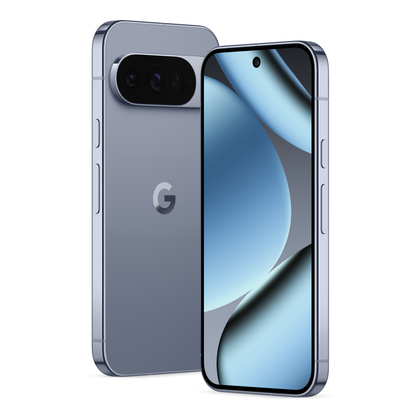
Deciding between the Google Pixel 10 Pro and Samsung Galaxy S25+ is difficult. Samsung and Google have distinct philosophies on what makes for a good flagship middle child.
The Galaxy S25+ complements the Galaxy S25 Ultra, offering buyers who don’t need an S pen or the extra camera a less expensive option. The Pixel 10 Pro mirrors Apple’s strategy with the smaller iPhone 17 Pro.
Both companies have produced excellent smartphones, but they aren’t right for everyone.
If you’re looking for a more traditional Android flagship experience, the Galaxy S25+ will appeal to you.
However, if you’re switching from another device or are eager for something different, the Pixel 10 Pro has plenty going for it.
I’ve used both devices — let’s find out which one is right for you.
What I like about the Samsung Galaxy S25+
Gorgeous display and excellent performance
I’ve often said the Galaxy S25+ is Samsung’s best value flagship this year. It offers all the power and performance of the Galaxy S25 Ultra for a few hundred dollars less.
If you don’t need an S pen and don’t mind the different cameras, the Galaxy S25+ makes the most sense for you.
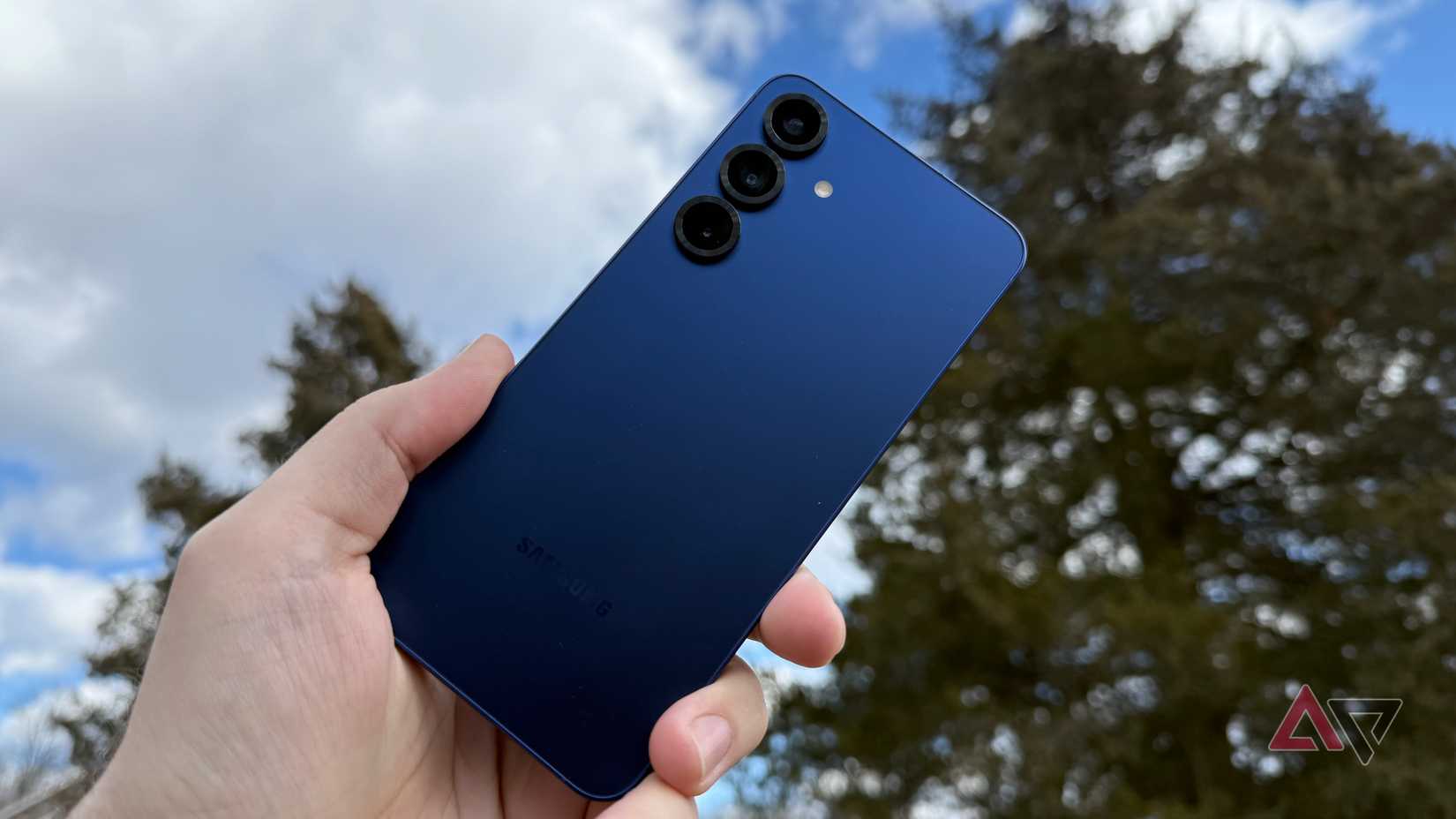
It features a light and thin design that is a pleasure to hold. At 190g and 7.3mm thick, it’s an aberration for today’s powerful flagships.
However, Samsung didn’t sacrifice build quality.
The Galaxy S25+ is covered on the front and back with Gorilla Glass Victus 2 and features an aluminum frame.
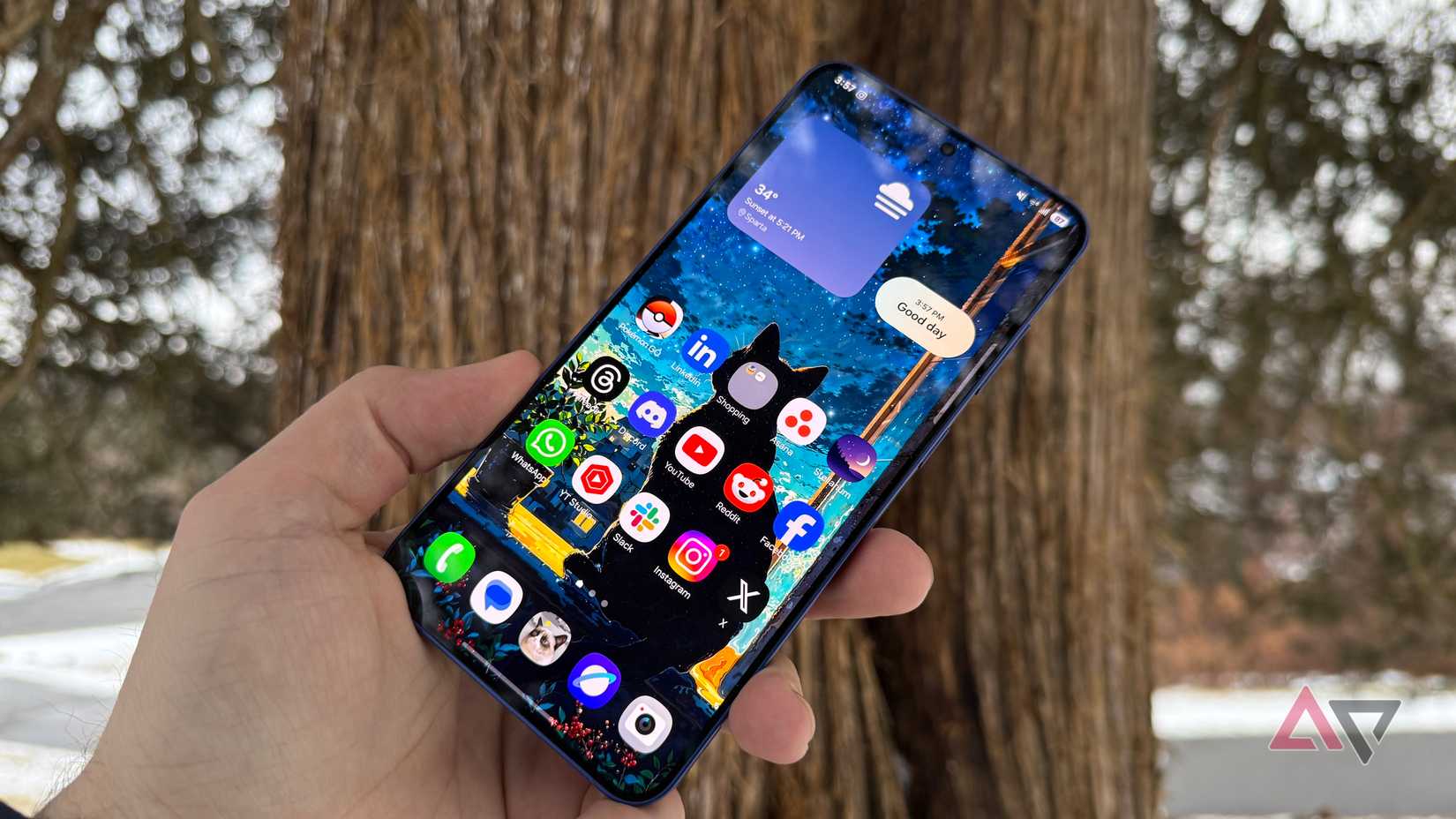
I love what Google’s done with its Super Actua displays, but the panel on the Galaxy S25+ is still superior. It features a 6.7-inch Dynamic AMOLED that’s bright and vibrant.
I have no problem viewing it outdoors, and I’m thankful Samsung brought back the color saturation to its displays.
It’s a matter of personal preference, but I think 6.7 inches is the ideal size for a flagship — companies have gone a bit overboard the last few years.
Performance isn’t lacking on the Galaxy S25+. Believe everything you’ve read about the Snapdragon 8 Elite chipset.
It may not be the latest and greatest from Qualcomm anymore, but it’s still top-tier, and I’ve yet to run into anything it can’t handle. It’s power-efficient and doesn’t unnecessarily overheat.
I don’t get worked up about the gaming limitations on the Google Pixel 10 Pro, but it is true.
If you enjoy running games at max settings and mobile gaming is a buying consideration for you, the Galaxy S25+ is the better choice. It’ll run all of your AAA mobile games at high settings with smooth frame rates.
I would’ve liked more RAM in the Galaxy S25+, but that’s just for futureproofing — the included 12GB of RAM is more than enough for enjoyable multitasking.
Samsung’s done a fantastic job with its software. I maintain that Material 3 Expressive slightly outshines One UI 8, but that’s not a knock.
One UI 8 is feature-rich and smooth, and Samsung’s software is in its best place in years.
I love what I’ve seen from the One UI 8.5 beta so far, and the company’s done an outstanding job making meaningful improvements.
Samsung’s 90:10 multitasking split with One UI 8 was a welcome (and needed) change, and the company’s promise of seven years of support means your phone won’t be out of date anytime soon.

I was disappointed when Samsung didn’t opt for a larger battery or newer silicon-carbon battery technology in the Galaxy S25+.
However, the Snapdragon 8 Elite is more efficient, leading to year-over-year improvements in battery life.
The S25+ can get me through a full day of use with room to spare, and as long as you plug your phone in each night, you won’t have any complaints.
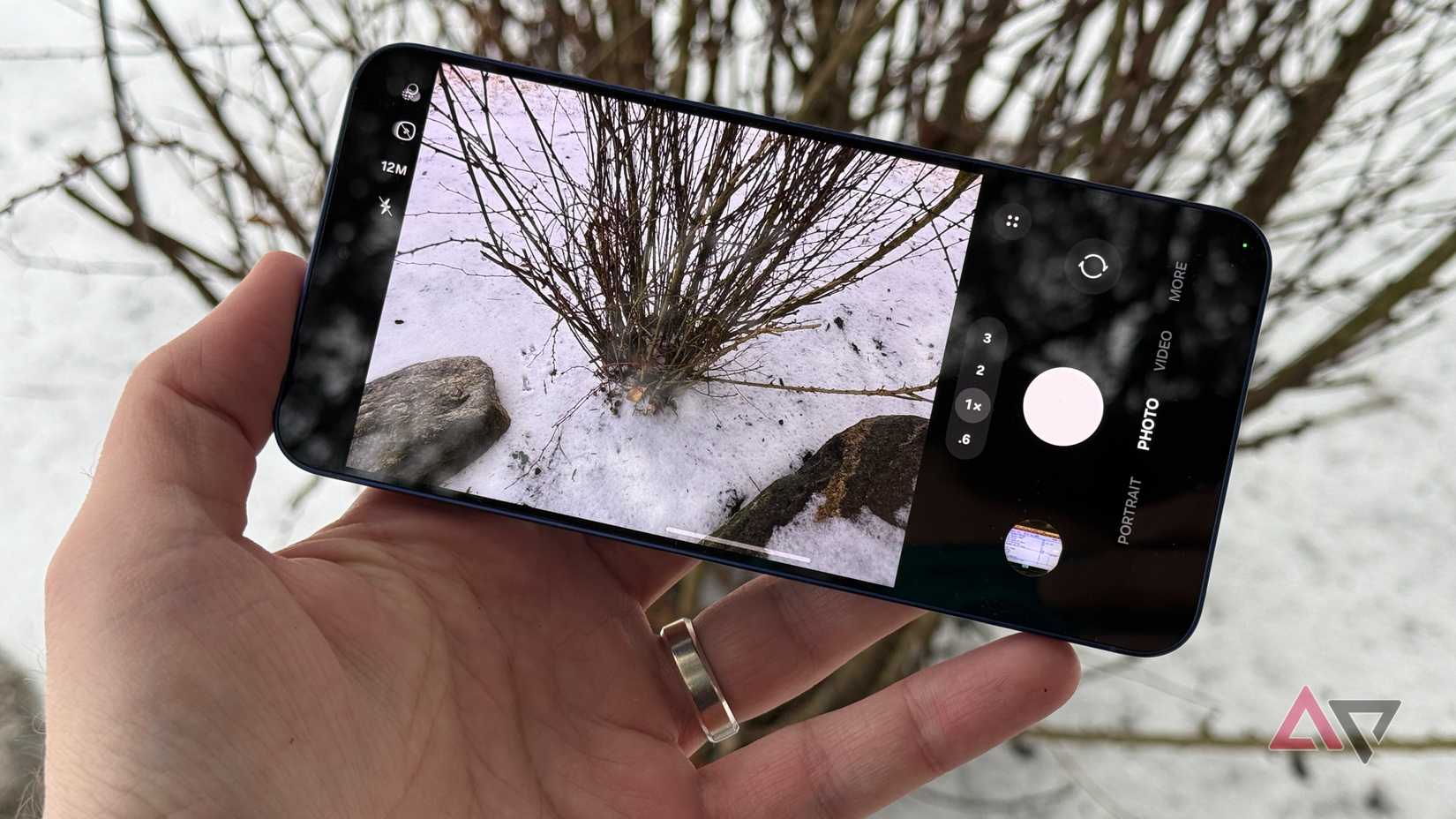
Cameras were another slight disappointment on the Galaxy S25+.
I didn’t like that Samsung only included an improved 50MP ultrawide lens on the Galaxy S25 Ultra, leaving the S25+ with the old 12MP ultrawide.
Still, photos are solid, and I tend to prefer Samsung’s warmer color science. It makes the photos more social-media-ready and adds a bit of life to the images.
It’s worth noting that the Galaxy S25+ still has a SIM card slot — a minor feature that could be significant for some.
What I like about the Google Pixel 10 Pro
A new approach for the company

I’ve had more pushback on the Pixel 10 series than I have for any other phone I’ve ever written about. I understand it on several levels.
People who own a Pixel 6 or 7 are justifiably upset with Google. Those devices weren’t ready for prime time, and numerous hardware and software problems made the phones frustrating.
You’re preaching to the choir. I suffered from a faulty Pixel 6 and a painfully inconsistent Pixel 7a.
However, I can only judge what’s in front of me, and the Pixel 10 Pro is an excellent phone.
It’s a more compact flagship phone experience, and if you’re switching from iOS, it’s the Android device I’d recommend.
Its 6.3-inch Super Actua display may not match what Samsung put in the Galaxy S25+, but it’s still an enjoyable screen. Google made it plenty bright for outdoor viewing, and it’s a highlight of the phone.
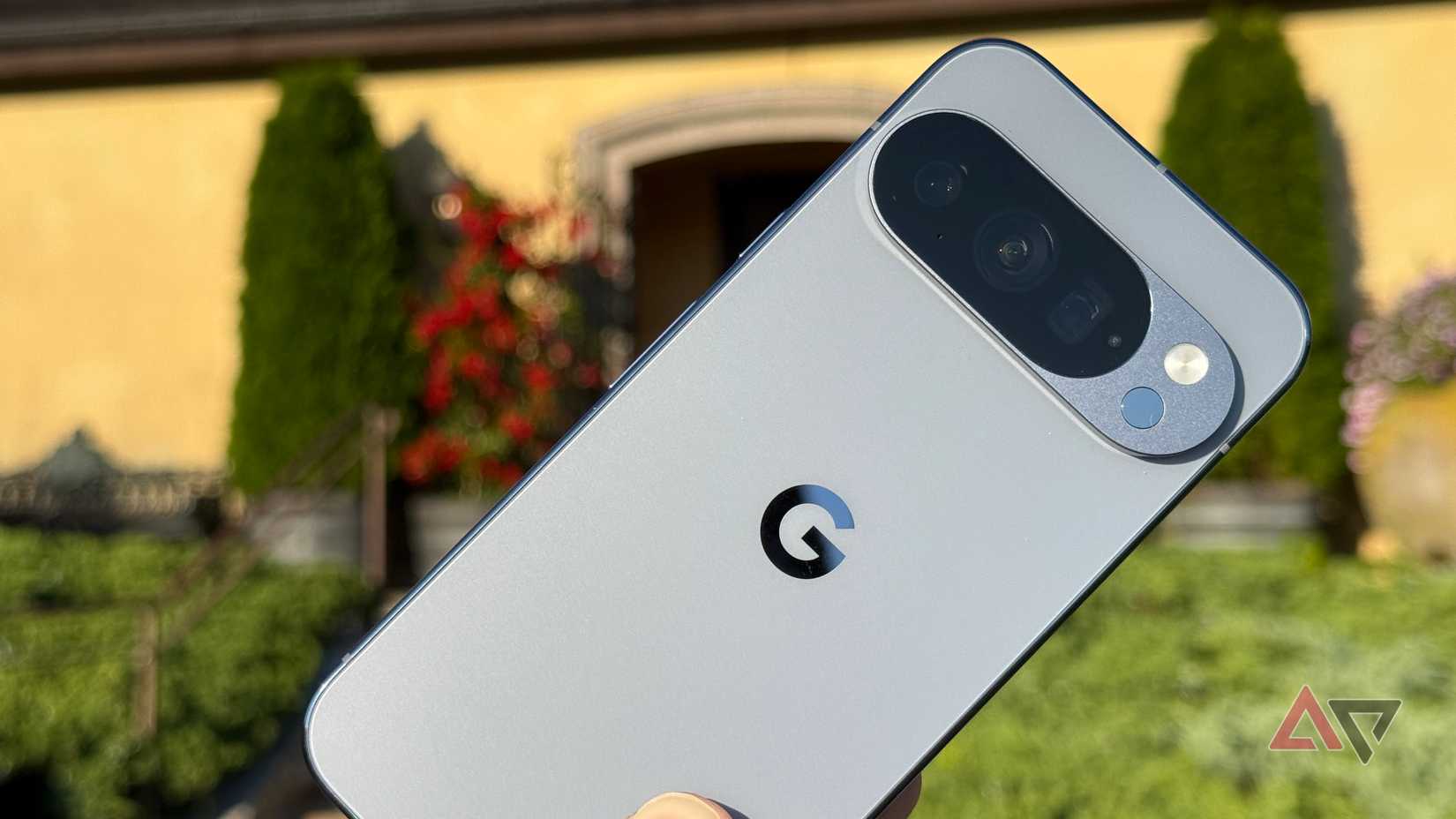
Like the Galaxy S25+, the Pixel 10 Pro is protected by Gorilla Glass Victus 2 on the front and back, with an aluminum frame. It’s also IP68-rated for dust and water-resistance.
As disappointing as it is to some people, you won’t find me hating on the Tensor G5 chipset.
It’s not like previous years, where Pixels heated up at a moment’s notice or the modems were spotty.
The Tensor G5 does the job, providing smooth, reliable performance. Sure, it doesn’t benchmark as well as other flagship chipsets, and its GPU performance is a step behind the competition, but that’s not the phone’s focus.
I’m not disappointed with the Pixel 10 Pro’s performance — it’s smooth and responsive. Plus, multitasking is smooth on both phones. However, there’s a difference in RAM between the two devices.
Still, it’s important to remember that Google allocates a portion of the Pixel 10 Pro’s 16GB of RAM for Gemini functionality, and you don’t notice any real-world difference in performance.
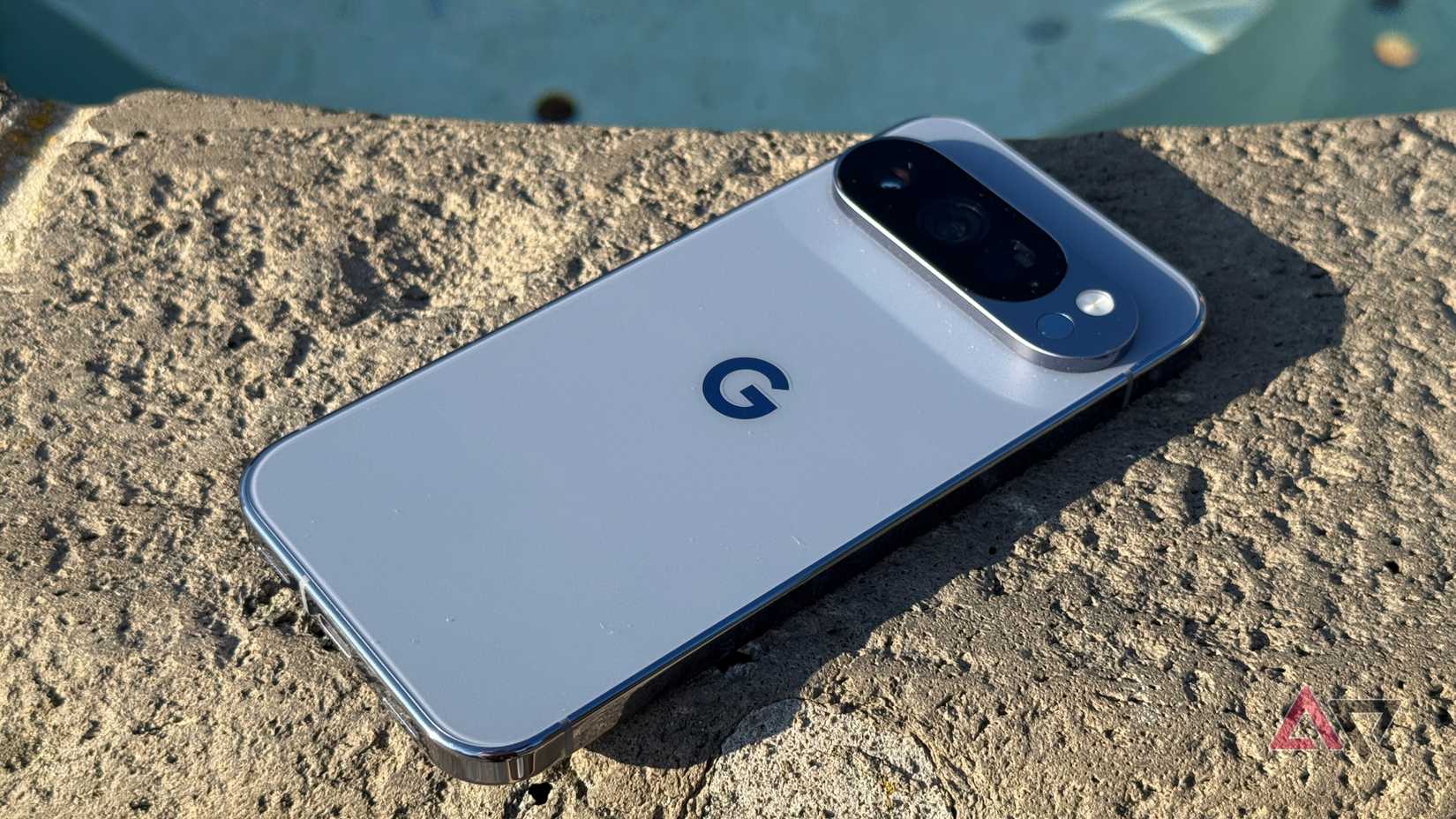
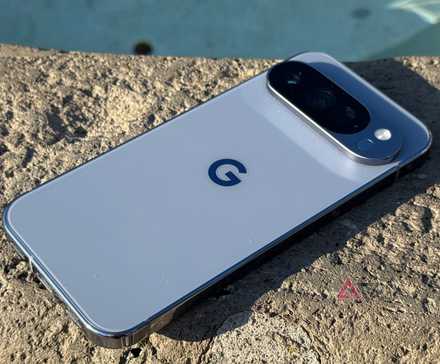
There are two primary reasons you’d choose a Pixel 10 Pro over a Galaxy S25+: software and cameras.
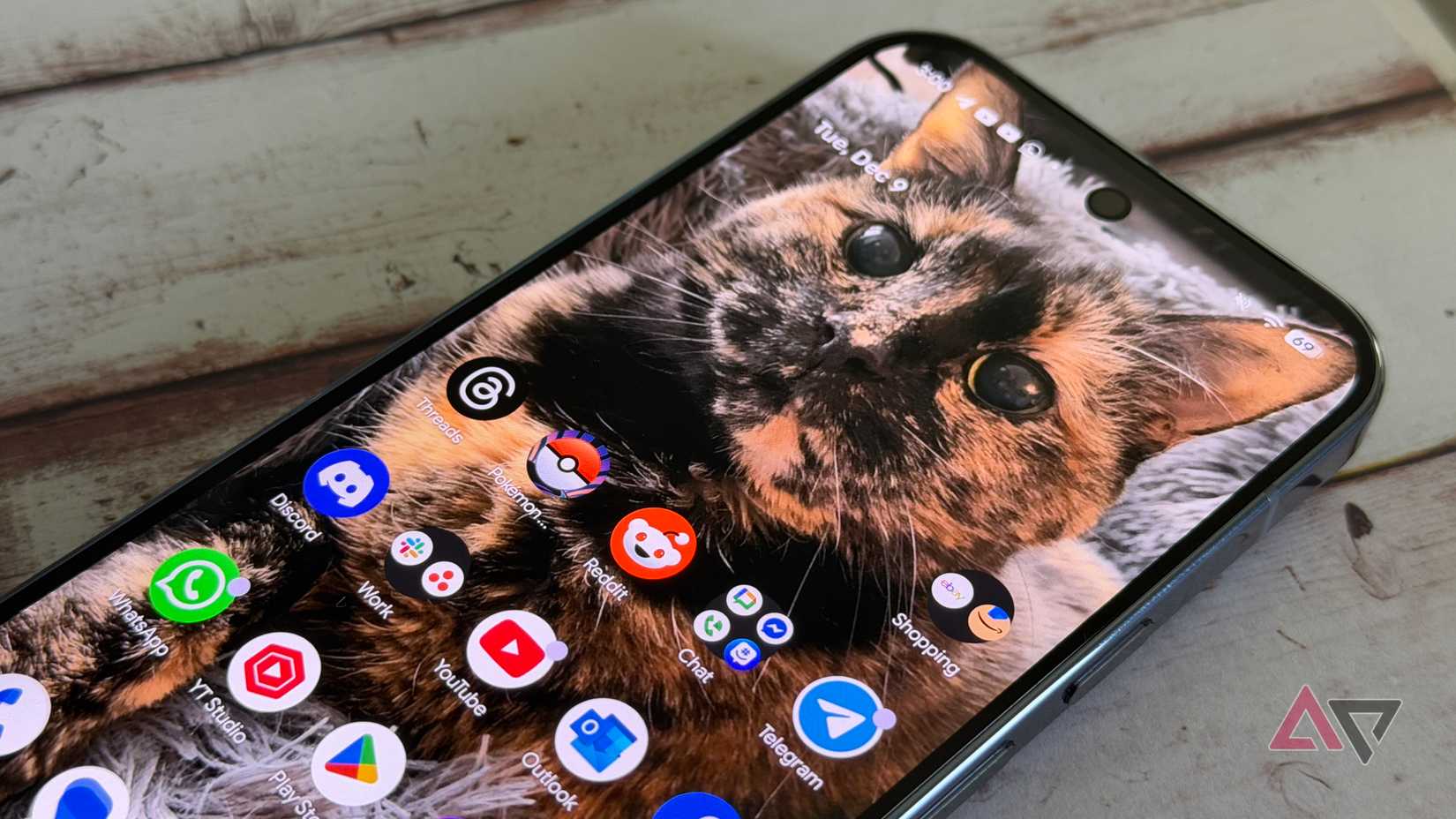
I enjoy One UI 8, but Material 3 Expressive is special. Google created the perfect environment for people looking to switch from iOS, which is clearly the company’s target.
Don’t underestimate smaller features, like Quick Share’s compatibility with Apple AirDrop on the Pixel 10 series. It’s all designed to be friendly and inviting for buyers nervous about taking the plunge.
Material 3 Expressive is well-designed, quirky, and smooth. Google has slowly made Pixel feature drops something to look forward to again, and the company promises seven years of support for the Pixel 10 Pro.
There isn’t a step-down in the camera system between the Pixel 10 Pro XL and the Pixel 10 Pro.
The smaller sibling features the same 50MP primary sensor, 48MP ultrawide, and 48MP telephoto lens. They combine to produce excellent photos.
While I wish Google would add a touch more saturation to its images by default, the Pixel 10 Pro still edges out the Galaxy S25+. It’s not the blowout it used to be, but if you’re a shutterbug, the Pixel 10 Pro is the phone you’ll want in your pocket.
I get similar battery life on both devices, and charging speeds are pathetic on both.
However, the Pixel 10 Pro does have Qi2 compatibility out of the box. It’s a feature I didn’t think I’d care about, but after you use it, it’s handy.
Google’s accessories are fine, but I’m looking forward to the possibilities for car mounts and desk mounts in the future.
Different phones but similar price points
During the holiday season, you can pick up a Pixel 10 Pro for around $750, making it an excellent value. The Galaxy S25+ is also off its initial MSRP, but you’re still looking at around $850.
For most, the Galaxy S25+ is an excellent choice if you’re already a Samsung fan or want a powerful Android flagship experience.
However, if you’re switching from an iPhone or ready to retire your Pixel 7, the Pixel 10 Pro is a fantastic starting point that you’ll love for years.
-

Google Pixel 10 Pro
$750
$999
Save $249- SoC
-
Google Tensor G5
- RAM
-
16GB
- Storage
-
128 GB / 256 GB / 512 GB with Zoned UFS / 1 TB with Zoned UFS
- Battery
-
4870mAh
- Operating System
-
Android 16
Google’s latest Pro Pixel packs a faster yet efficient Tensor G5 chip, an upgraded ISP, and a brighter display. Plus, an array of new AI features that make it one of the best Android phones to launch in 2025.
-
Samsung Galaxy S25+
$850
$1000
Save $150- SoC
-
Qualcomm Snapdragon 8 Elite for Galaxy
- RAM
-
12GB
- Storage
-
256GB/512GB
- Battery
-
4,900mAh
- Ports
-
USB-C
The Samsung Galaxy S25+ is the middle offering in the company’s lineup. It features a 6.7-inch AMOLED QHD+ display with a 120Hz refresh rate. The new Snapdragon 8 Elite chipset powers it, and it has 12GB of RAM, and either 256 or 512GB of storage. Samsung didn’t increase the battery size for 2025, leaving it at 4,900mAh, although a more efficient chipset has resulted in better battery life. It’s thin and lightweight, at just 7.3mm and 190g, respectively.