


I downloaded some free games from the Play Store, and I swear they’ve aged me.
The first thing you notice when you open the top free chart is that free doesn’t mean what it used to. The mobile gaming market is trading patience for dollars.
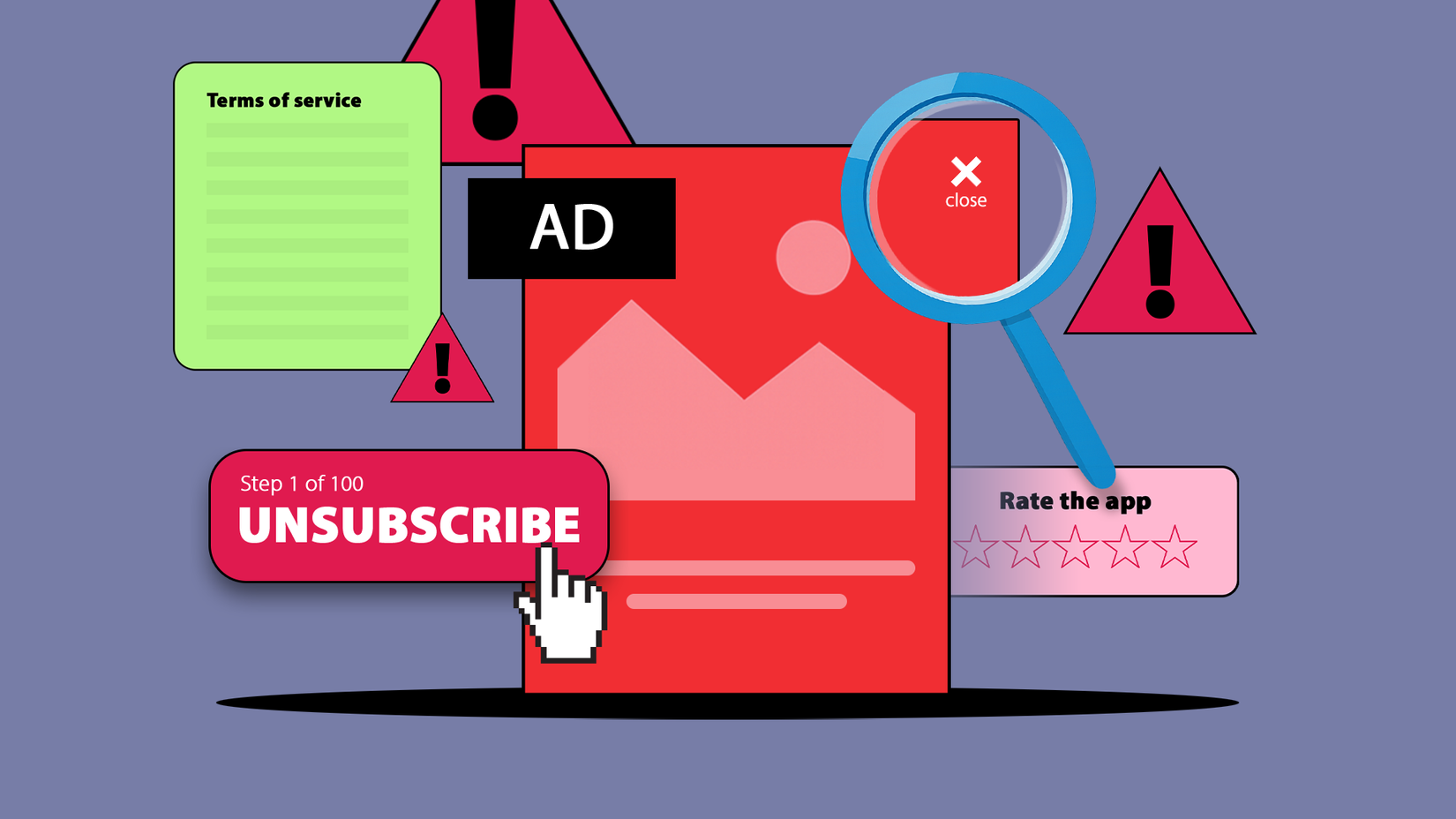
During my week-long binge, I played games that paused their own tutorials to run ads. I saw endless fake X icons and banners that hid the close button under the iPhone’s Dynamic Island.
Now, I’m not against ads, but I hate it when they feel like a penalty.
I’m a gamer, and from what I’ve seen, PC and console games integrate ads much better. If mobile devs followed suit, mobile games might finally climb out of the mess they’re in.
Ads can actually make games more immersive
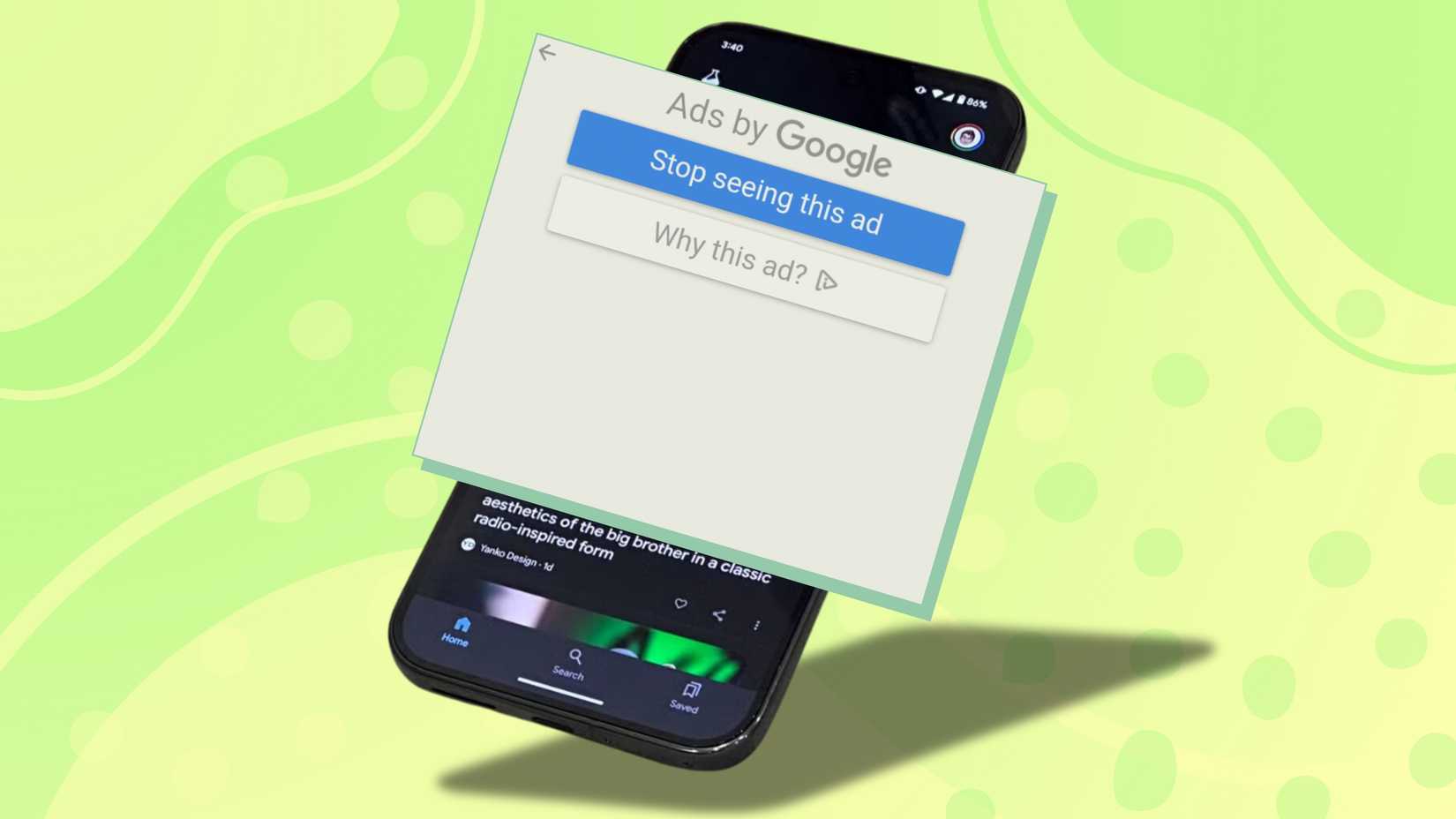
Interrupting ads break the fourth wall. They remind you that you’re not really inside the game.
But what if I told you ads could actually help build that wall and make games more immersive?
Visual ads that complement world building
Think about Times Square in New York, or Shibuya Crossing in Tokyo. What defines the aesthetic of these locations? Ads. Giant neon ads.
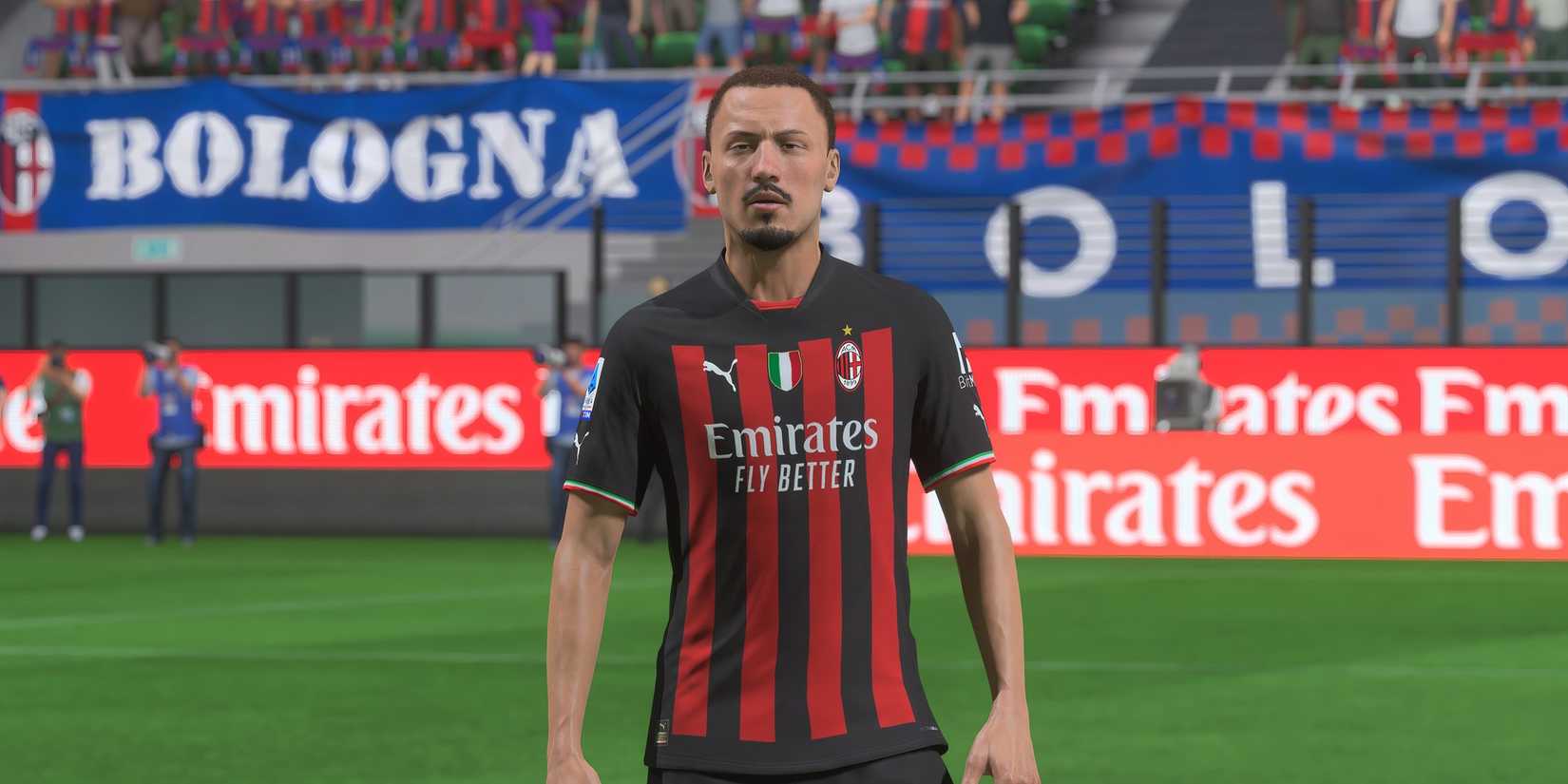
I’ve seen this done well in track racing games and FIFA, where you can spot Nike logos on the field. They make the experience feel more real.
Simulators are another genre that could use this style.
In city builder games like SimCity, commercial zones typically create generic names like “Electronics Store” and “Pizza Place,” which feel empty.
Now, picture real brands like Starbucks on the corner. That would make a big difference.
What GTA’s radio teaches us about ads
Credit: Google Play
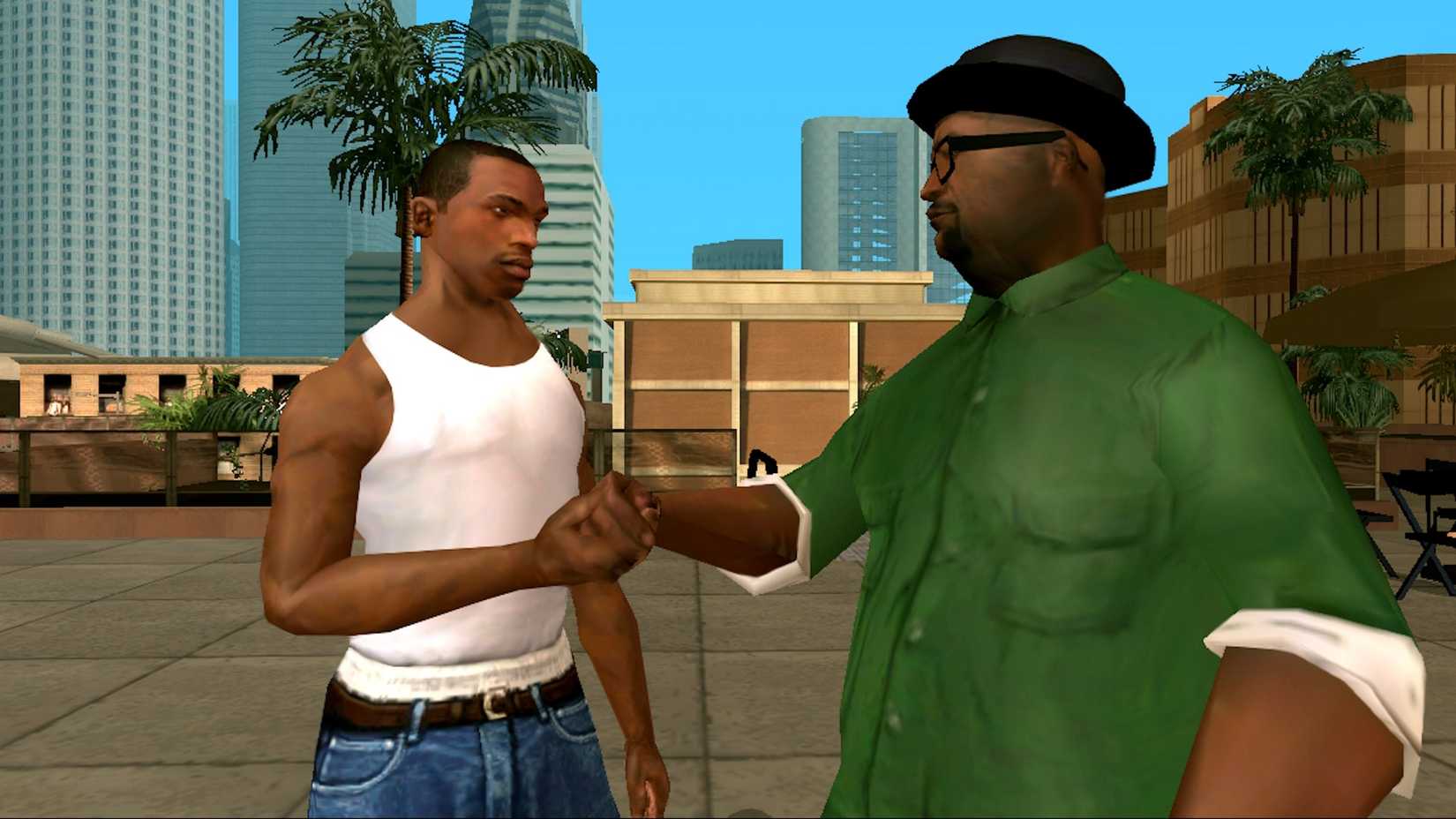
We all know the Grand Theft Auto radio stations. They’re legendary. The satirical commercials in GTA are funny because they copy the rhythm, cadence, and flow of real radio.
But why bother mimicking? What if, instead of fake ad loops, it were a livestream?
Picture yourself driving your rig in a truck simulator game. The music fades, and a brief 15-second ad for Ford trucks comes up. This doesn’t break the flow.
The ad becomes part of the roleplay. You are a trucker. Truckers listen to the radio. The radio has ads, and everything fits.
Players actually want to watch ads that reward them

Crossy Road is a solid example of this model. At launch, it didn’t force ads on players or use energy timers to hold you back. You could play as long as you wanted for free.
But when you died or wanted to unlock new characters like the Chicken, Dog, or hipster Whale, the game gave you the option to watch an ad in exchange for coins.
Players ended up watching ads willingly as they saw them as a shortcut to something good.
Ads that become part of the gameplay mechanics
You’re playing an endless runner, your character’s getting tired, and the screen starts flashing red. Up ahead, you spot a glowing object.
You swipe to grab it, and it’s a Red Bull. For 10 seconds, your character dashes at double speed.
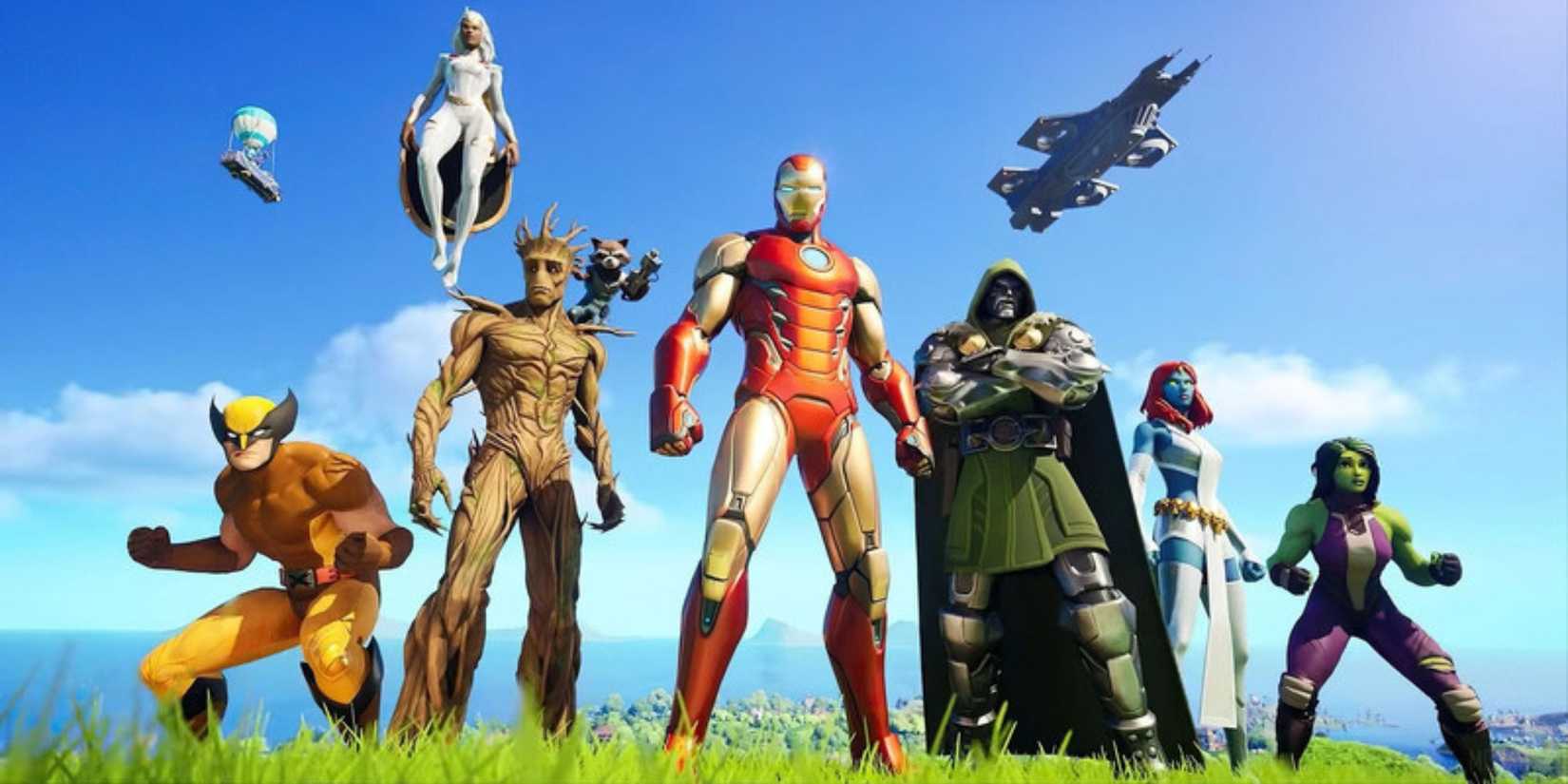
Now, we can’t talk about this without mentioning Fortnite. Fortnite is a giant, interactive mall, and players love it. They’ve spent millions buying Nike skins like Airphoria, Marvel skins, John Wick skins. Those are ads, plain and simple.
A Travis Scott concert in Fortnite is a 10-minute commercial for Travis Scott. But because it is high-quality, because it is interactive, and because it gives status (look at my cool skin), it is embraced.
Mobile games could do this on a smaller scale. Instead of showing me an Adidas ad, give my character a pair of Adidas shoes that boost movement speed by 5%.
Seamless ads threaten revenue (and devs resist)
Credit: Lucas Gouveia / Android Police
If immersive ads are better for both players and brands, why do most mobile games still rely on the Punishment Model and sneaky ads?
It’s because developers make much more money when they push you to click and install other apps.
Plus, integration is a lot harder. Dropping a pop-up ad into the game code takes minutes, but designing a 3D billboard means real artistry and engine work.
But the harshest reason is psychological. If ads were seamless and immersive, no one would pay $5 to remove them. The punishment model is bullying you into spending money.
It leads to a cycle where low-effort fake games depend on irritating ads because top brands won’t touch them.
We’ll pay for entertainment if you play fair
Here is my message to the developers, the publishers, and the ad-tech giants.
We know you need to eat. We are not asking for everything to be free. We don’t mind paying for games and services that are actually worth it.
We are willing to pay with our money and our attention (ads). But the transaction must be honest. Stop tricking us with fake X buttons. Stop treating us like cattle. If you respect our time, we will respect your bottom line.











