


The original Google Pixel Fold was a one-off for Google. The company quickly transitioned to a more traditional bifold form factor with the Pixel 9 Pro Fold, but I never forgot about the first generation.
It got off to a rough start, and the device wasn’t ready for prime time at launch.
Still, Google worked on it, and the Pixel Fold quietly became one of the best deals in tech — especially if you wanted to dip your toes in the foldable waters.
The design Google left behind appears to be making a comeback, just not with the Pixel Fold.
Apple and Samsung are rumored to be working on folding phones that more resemble the original Pixel Fold than any other folding phone on the market.
If true, it’s a good move for both, and there are reasons why the Pixel Fold form factor is a smart choice.
What Google got right with the original Pixel Fold
More comfortable form factor
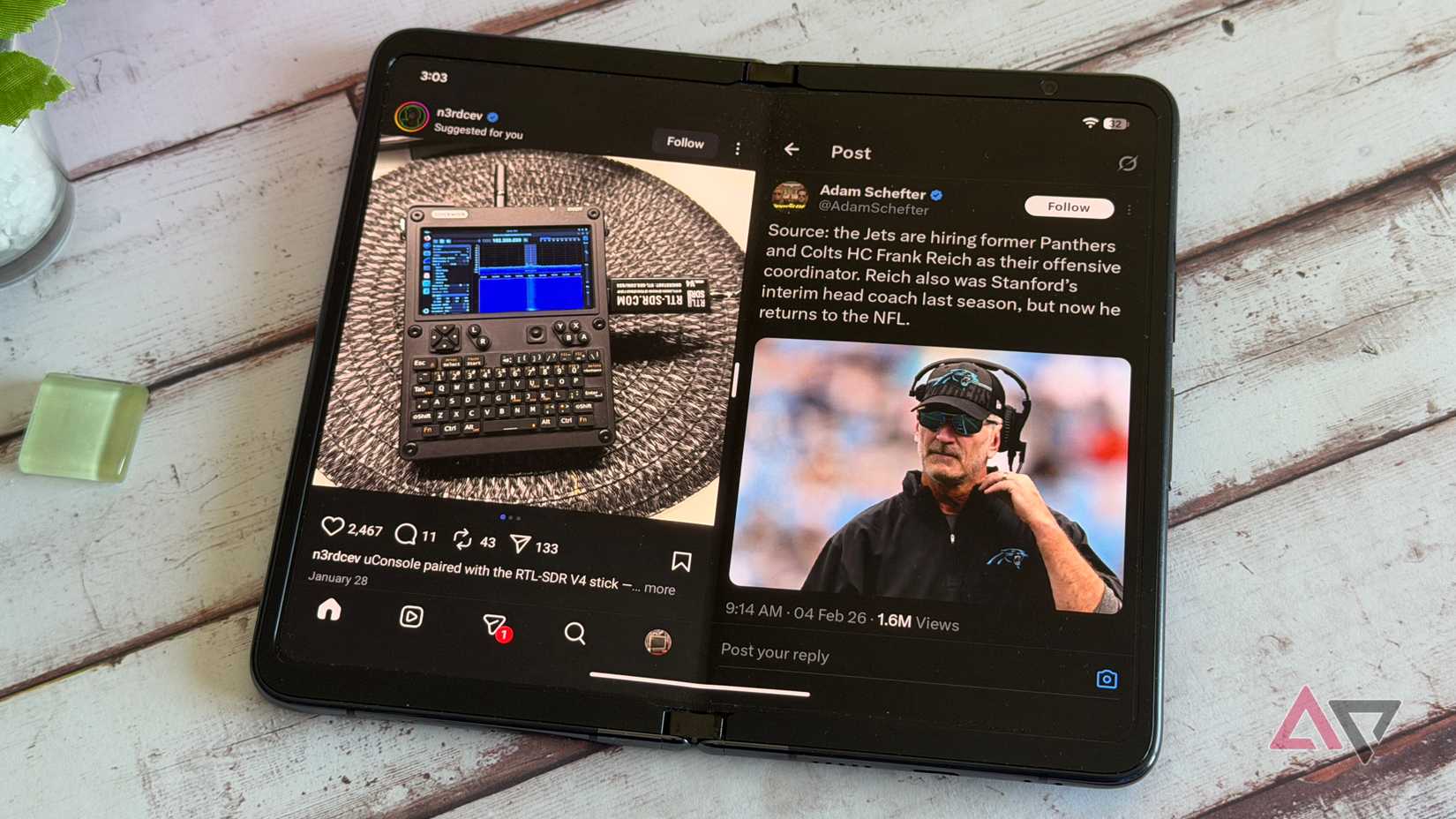
Devices such as the Samsung Galaxy Z Fold 7 and Pixel 10 Pro Fold always feel like awkward compromises.
The cover screens are fine, but they aren’t a peak smartphone experience, and the larger inner displays aren’t utilized properly.
Watching videos is lackluster, and despite solid efforts from Google and Samsung to improve, multitasking isn’t as good as it could be.
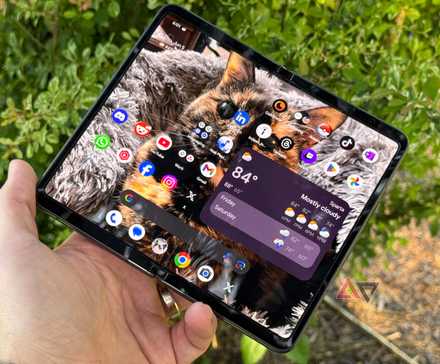
Even though Google never fully capitalized on it, the Pixel Fold was ideal for being the best of both worlds.
Its 5.8-inch outer display may sound smaller on paper than the 6.5-inch cover screens you’ll find on other foldables, but it is significantly wider.
It’s more comfortable to type on, and I enjoyed the wider aspect ratio for apps.
I often hear complaints that developers had issues making the slightly different aspect ratio on the Pixel Fold work for their apps, but I can’t remember too many apps that were unusable or even unpleasant on the Pixel Fold.
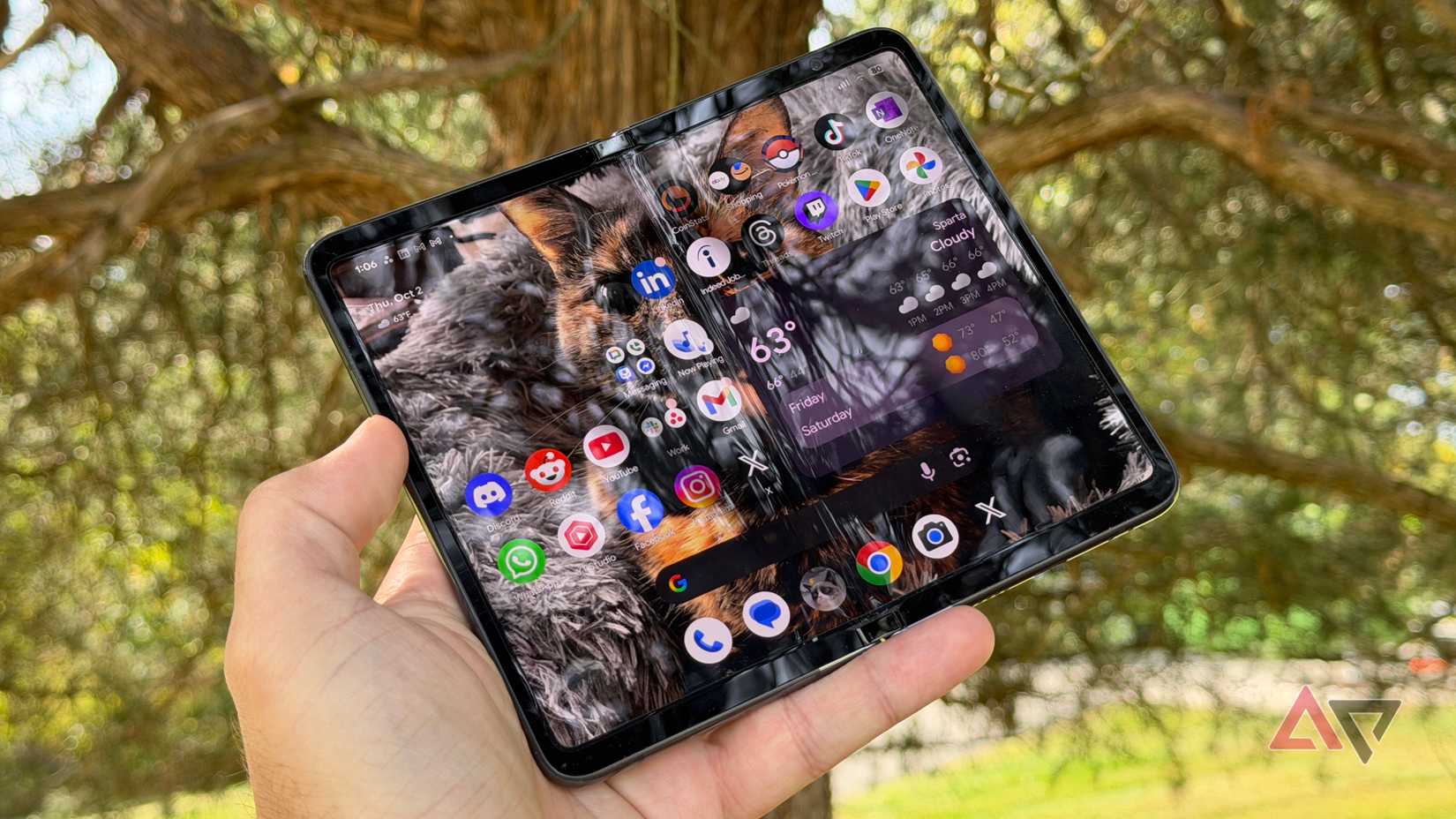
It took Google forever to implement app pairs on the Pixel Fold, but its wider outer display resulted in a landscape-dominant orientation for its inner panel.
Again, a 7.6-inch internal screen may sound smaller than the 8-inch+ displays on other foldables, but it offers more usable space.
Two apps side-by-side are better, as each app has the proper orientation — nothing feels cramped on the Pixel Fold.
Samsung and Apple would be wise to follow
It’s an opportunity to innovate
I was disappointed when Motorola announced its book-style foldable.
It was a fantastic opportunity to provide something different in the foldable marketplace, and I’m pleased there’s a chance Samsung and Apple may capitalize.
Overseas phones such as the Huawei Pura X and the Oppo Find N2 opened my eyes to what is possible.
I don’t know why the industry decided that bifolding phones all needed to look like the Galaxy Z Fold, but that’s not true.
The Microsoft Surface Duo remains one of my favorite smartphones, and I don’t care that there’s a hinge splitting the screens.
I’m not surprised at rumors that Apple is looking at a passport-style design for its first foldable. It’s a form factor that would appeal to more people, and you won’t need large hands to use it comfortably.
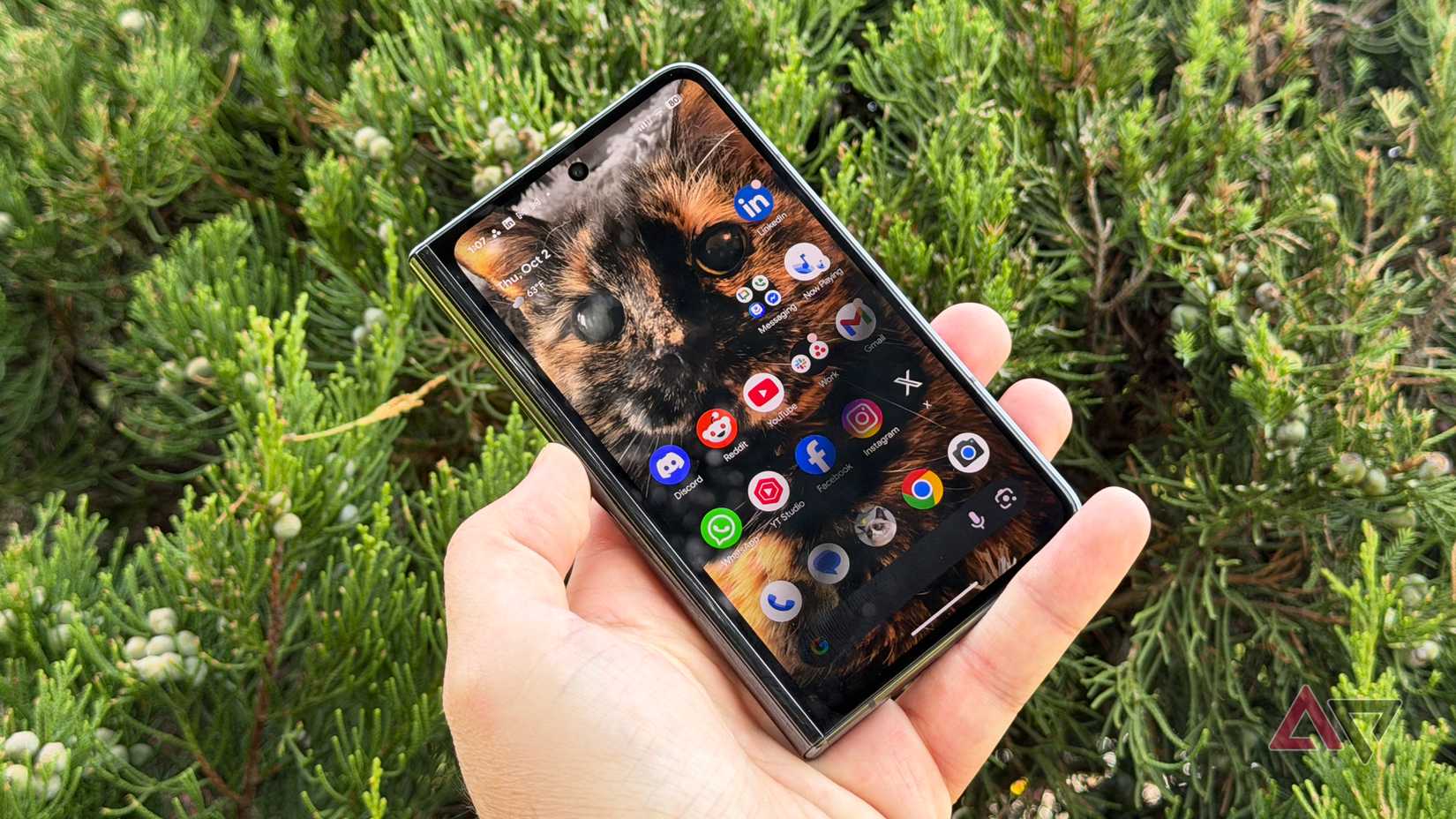
The original Pixel Fold also has rounded edges, making it easier to hold.
In addition, I love the rumors about the Galaxy Z Fold 8 Wide.
Samsung has the capacity to innovate, and between the Galaxy Z TriFold (which I’ll talk about in a moment) and a hypothetical Z Fold 8 Wide, my outlook on the company will start to change.
A wider fold from Samsung could sit in price between the Z Flip and the traditional Z Fold, giving people more options.
And with the Z TriFold now released in the US, Samsung is free to experiment with bifolds.
The Galaxy Z TriFold solves a problem for Samsung
There’s an option with more screen real estate
The Galaxy Z TriFold frees up Samsung’s design with its other foldables.
People who absolutely need more screen real estate have a 10-inch option with the TriFold, so the Z Fold doesn’t need to be an awkward compromise.
Sure, the Z TriFold is prohibitively expensive for most, but I’d rather pay up for a device I need and that fits the purpose than keep paying $2,000 for a phone that doesn’t quite match.
Landscape-dominant devices are better for content and multitasking, and I buy large-screen foldables to be more productive.
You also don’t appreciate how wonderful a wider cover screen is until it’s gone.
Don’t get me wrong, I can live an entire day on the outer display of the Galaxy Z Fold 7 and Pixel 10 Pro Fold and be perfectly happy, but the cover screen on the original Pixel Fold is a pleasure.
It’s amazing to have options again
Regardless of which devices come out, it’ll be welcome to have options.
Instead of buying a folding phone that’s not quite right for you, you can select a device that fits your needs.
If a traditional bifold like the Galaxy Z Fold 7 works for you, you can have it, but for the rest of us who want passport-form-factor phones to return, 2026 might be an excellent year.










