


One of the best features across smartphones is also the most poorly implemented. That’s right, I’m talking about RCS texting.
RCS, or Rich Communication Services, has been around since 2017 and is the successor to SMS and MMS texting, which have remained in use despite their limited features.
While RCS improves on these standards in every way, it hasn’t replaced them entirely yet.
The problem with RCS is that while the standard can be used by every carrier and anyone can develop a messaging app that supports it, there are too many problems to let it completely replace SMS.
SMS, despite its age, remains a crucial part of our digital lives, whether we like it or not.
RCS needs universal support to succeed
It’ll take time, but there are still too many exceptions
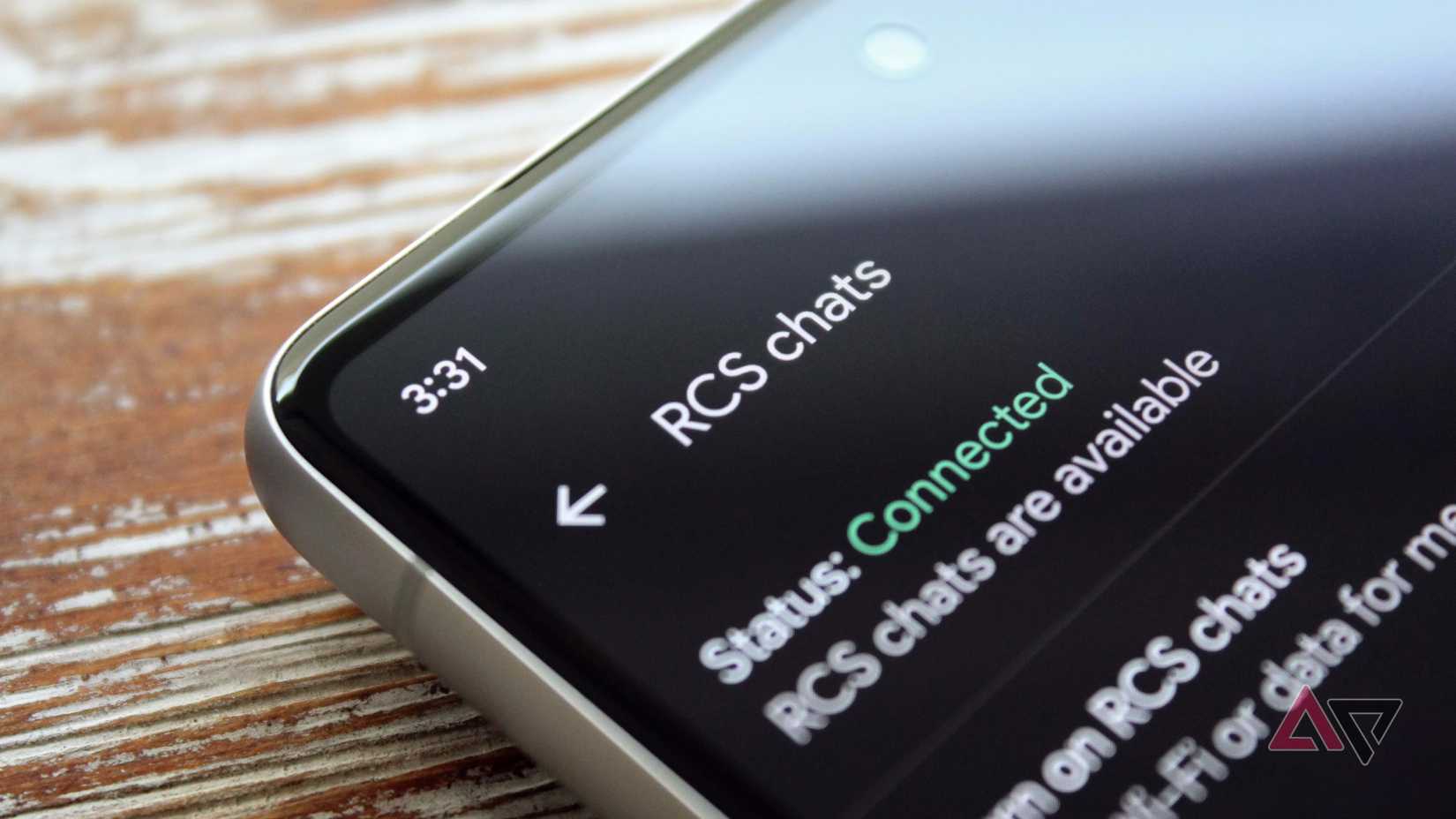
Google Messages is preinstalled on most Android phones, and if the device and carrier are compatible, RCS is enabled by default.
While device and carrier support is widespread, there are enough exceptions to mean you’ll rarely be able to use RCS, even if you have no immediate problems setting it up.
While the Big Three carriers in the US support RCS messaging, many of their associated Mobile Virtual Network Operators (MVNOs) don’t.
In other countries, major carriers (such as Vodafone in the UK) don’t support RCS. In India, iPhones only started supporting RCS messaging in September 2025.
In short, it is impossible to reliably use RCS for all your messages. While Google is trying to alleviate the problem by prompting you to invite friends to enable RCS, this won’t help people who are limited by their carrier or location.
For RCS to replace SMS, all carriers (including MVNOs) and device manufacturers must adopt RCS.
While newly produced smartphones can support RCS, “dumb phones” cannot, which means we cannot phase out SMS, perhaps for decades.
However, as around 87% of cellular phones are smartphones, this isn’t a significant problem. A bigger problem is older iPhones and Android devices.
If you’re still hanging onto an Android 5.0 or iOS 17 or earlier device, you cannot use RCS. However, this is a problem that will slowly become less significant over time.
While RCS-compatible device saturation will never reach 100%, eventually exceptions will become so rare that SMS will become almost invisible, similar to how 2G is still around to support older devices.
A bigger issue is the technical problems of RCS, which are still widespread.
End-to-end encryption is still missing, and technical problems are widespread
Solutions are on the way, but they are coming too late
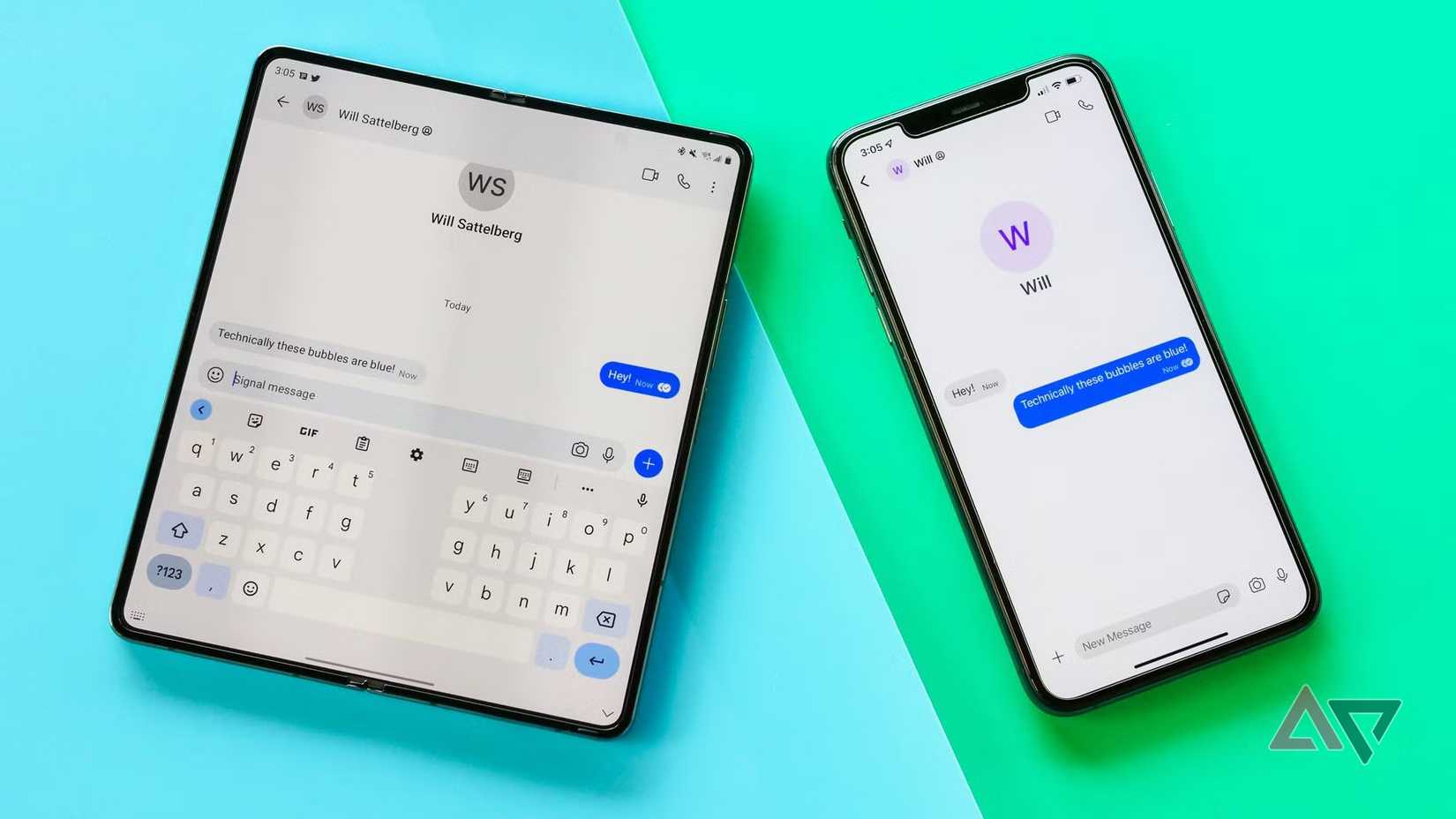
When Apple implemented RCS support for iPhones running iOS 18 or later, it seemed like a major breakthrough in the push for RCS support across devices.
However, our excitement swiftly waned when we realized there was no end-to-end encryption, leaving iPhone-to-Android chats exposed. Apple plans to implement encrypted RCS soon; until then, we wouldn’t recommend using RCS with iPhones.
On Android, things aren’t much better. End-to-end encryption only works for RCS if both users are texting via Google Messages.
Hopefully, the RCS Universal Profile 3.0 update (which made end-to-end encryption a standard) will allow secure communication across all devices.
If not, Google Messages may simply cause the same problems as iMessage, rendering RCS’ cross-app and device functionality mostly irrelevant.
But RCS isn’t working consistently for compatible devices.
Recently, there has been a spike in complaints that RCS has suddenly stopped working. While the exact cause is unknown, some users have received a text from Google informing them that RCS messaging is now provided by their carrier.
Where carriers didn’t support RCS, Google stepped in with Jibe, a platform that provided RCS support for carriers.
However, these messages indicate that Google may be offloading the responsibility for RCS to carriers, which may be under-equipped to handle the standard.
In the long run, this may cease to be a problem as more carriers support RCS. Nevertheless, Google’s hamfisted approach to deploying RCS is causing significant problems in the short term.
RCS is held back by Google, not technology
The end-to-end encryption problems and poor carrier support are not unsolvable.
We know that encryption will soon be a standard for all RCS communication, and carriers have the ability to support RCS.
The issue is that Google is pushing RCS on us before these problems are fixed.
I love RCS, it’s a significant improvement over SMS in every way. However, I’m reluctant to push my friends to adopt it because of the encryption and support problems.
It’s often impossible to get a clear answer on why RCS isn’t working on your device, so my previous attempts to help them have often ended in frustration.
The botched rollout of RCS is also creating distrust of the standard, so even when properly implemented, I expect many people to refuse to use it.
SMS is more consistent, easier to use, and I think it’ll remain like that for years.











