


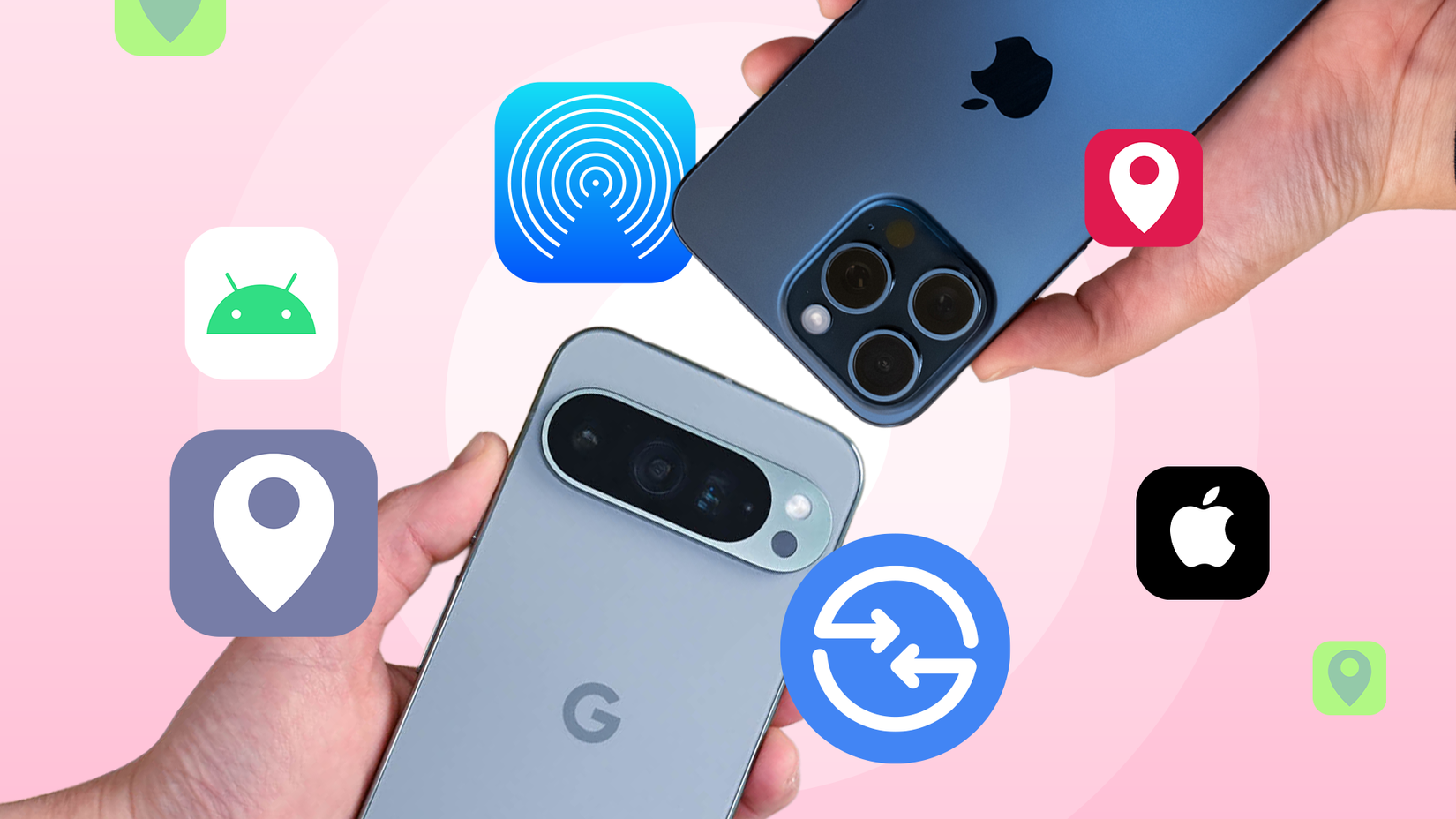
Google and Apple pulled down some pretty big walls last year when they made the iconic AirDrop system work with Pixel’s Quick Share. This huge change meant that Google’s Pixel phones could pass files to Apple iPhones, and vice versa, opening up a channel of communication that had never been opened before.
The bad news was that this was only possible from the Pixel 10 series of phones. However, Google had never meant that to be the case, and has now confirmed that other Android devices will be able to send files to iPhones through AirDrop soon.
Breaking into those walled gardens
Credit: Hannah Stryker / Lucas Gouveia / Android Police
AirDrop has always been an iPhone staple, and one that Android simply couldn’t match for a long time. The introduction of Quick Share changed that, but very few of us ever imagined that we’d one day see Quick Share and AirDrop working together.
That day came in November 2025. But only for Pixel 10 devices — and the rest of us mere mortals have been waiting to see whether that interoperability would come to other Android devices.
Finally, Google has confirmed AirDrop interoperability is coming to Android devices as a whole. Speaking at a press briefing attended by Android Authority, Android’s Vice President of Engineering, Eric Kay, made it clear they were aiming to get an update out this year.
“We spent a lot of time and energy to make sure that we could build something that was compatible not only with iPhone but iPads and MacBooks. Now that we’ve proven it out, we’re working with our partners to expand it into the rest of the ecosystem, and you should see some exciting announcements coming very soon,” Kay said.
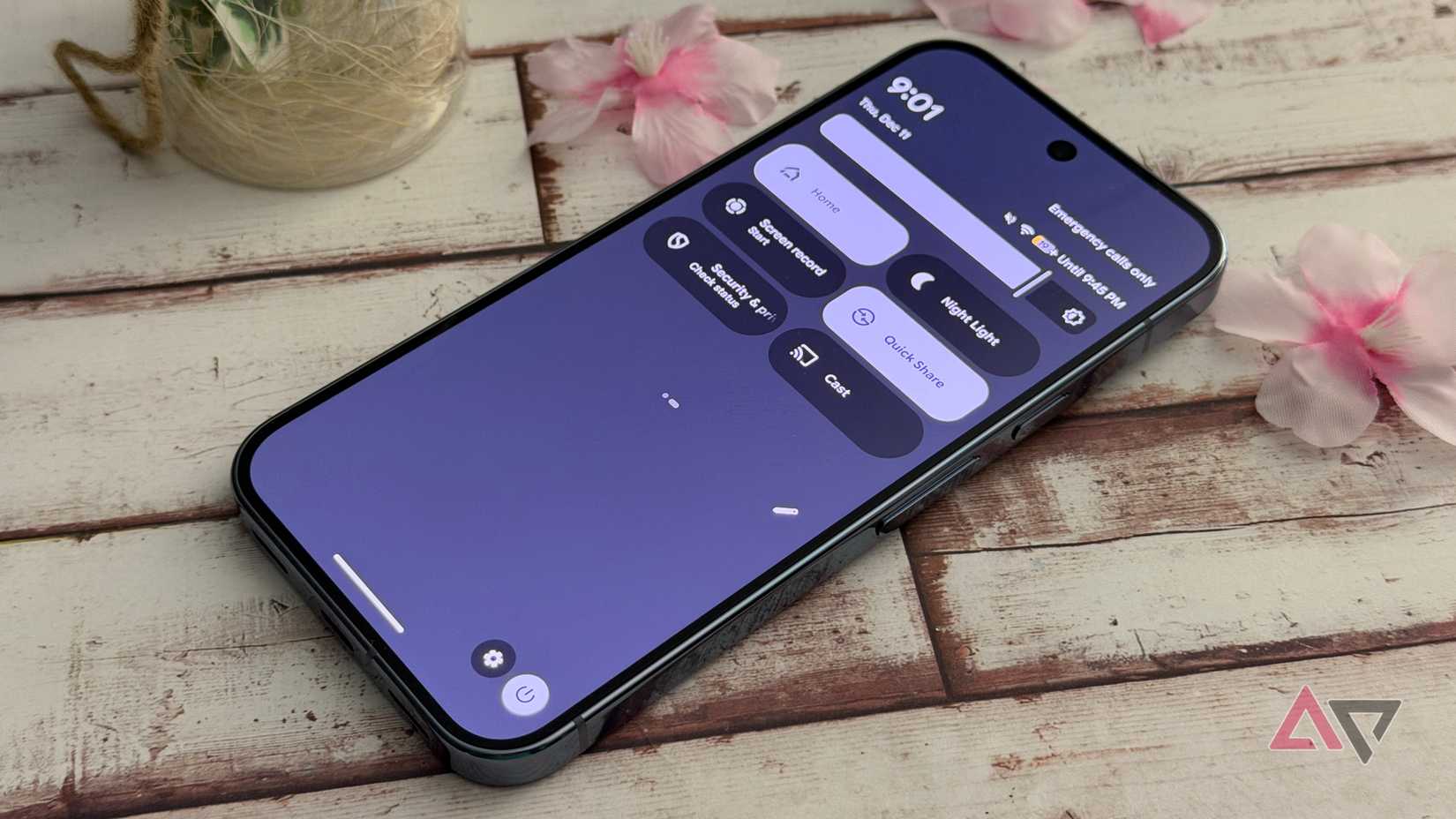
The hints that Google had planned this to expand to all of Android were there from the start. Code-sleuths immediately noticed that Google hadn’t tied the interoperability into anything that would make it Pixel-only, and instead made it into its own app, complete with a Play Store listing.
Add to that, Qualcomm and Nothing both separately stating they’ve been working on getting this exact function to work on their hardware, and yeah, the writing has been on the wall for some time.
But the question has long been “when”, rather than “whether”. And while we don’t have any concrete dates yet, just hearing “soon” is enough to get us excited.











