


The big tech players are stuck in ruts of their own making. Not all of the ruts are bad, but they don’t allow for much deviation, resulting in tunnel vision and an unfortunate “more of the same” roadmap.
2026 may have the answer in the subtle rise of independent creators and companies, to the point that we’re starting the year in a way that suggests the days of total dominance by household names may no longer be the only way forward.
What is an independent?
Not one of the big names
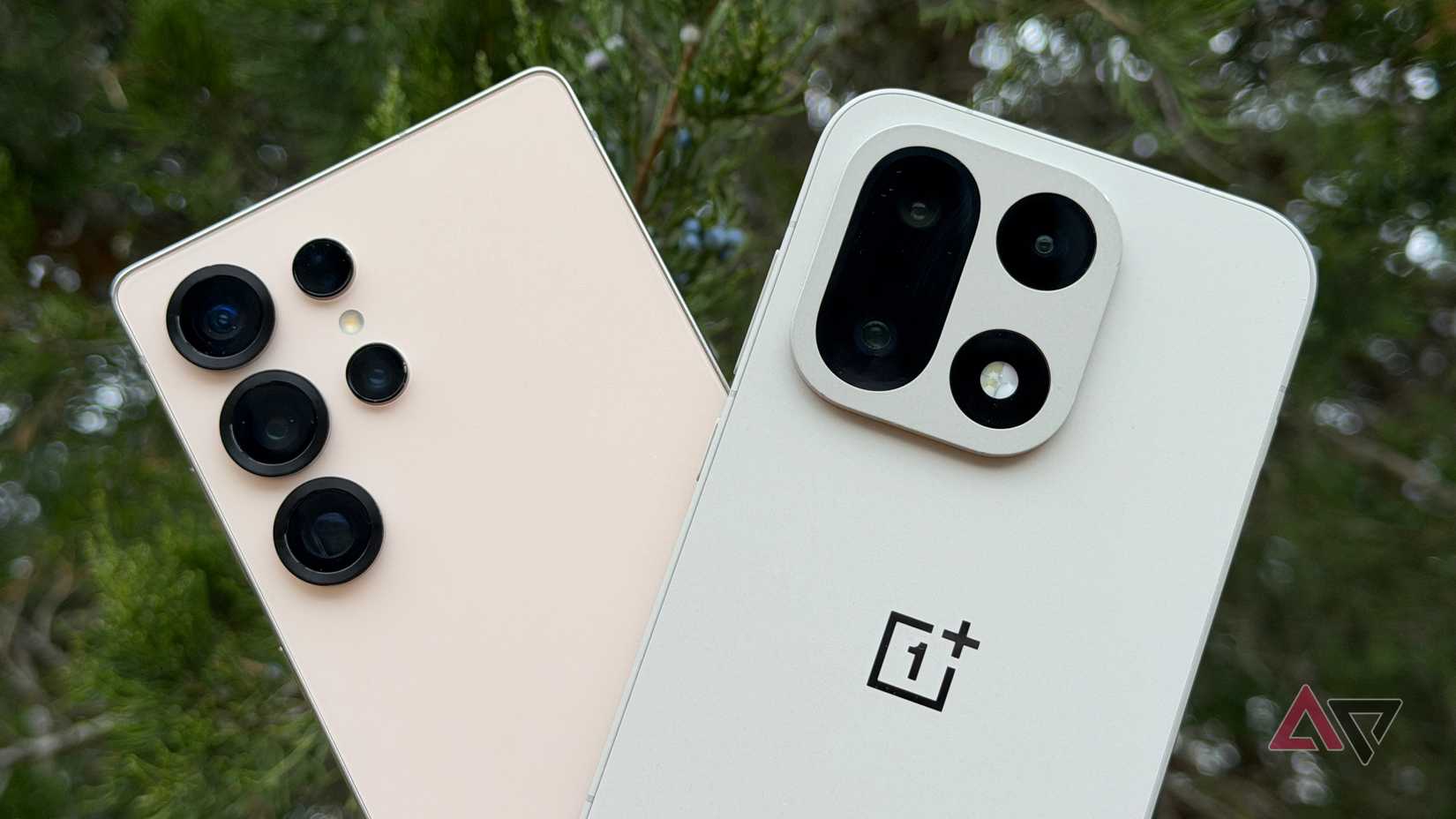
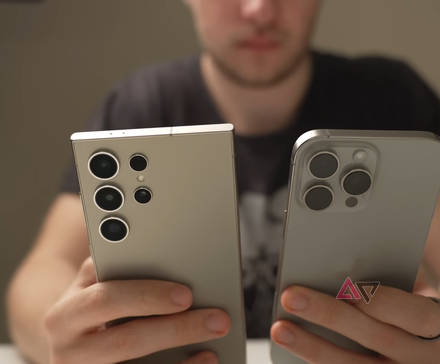
We’re at the stage in mobile tech where we generally know what to expect from Samsung, Google, Apple, and most other recognizable brand names.
Each has a set of core products that are updated each year, with very little in the way of unexpected advancements arriving.
It’s a safe, sensible, and saleable approach.
But it’s not often very exciting, and complaints around a supposed lack of innovation are common following the announcement of a new device.

An independent, as I see it, is a smaller, more agile company, perhaps less beholden to shareholders, less concerned about acquisitions, and more capable of listening to, and interacting with, the people who buy its products.
Marketing is just one aspect of its business, and is done in a different way than the brands where recognition and awareness are everything.
If Apple is Rolex and Samsung is Omega, then I’m talking about Christopher Ward and Studio Underd0g.
If you haven’t heard of these other brands, it only serves to make my point.
They experiment without losing focus, and make the world of watches richer and more interesting.
It’s what mobile tech needs, and we’re seeing hints of it arriving for the first time in a while.
2026 has started well
Key players are making exciting products
Credit: Pebble
We’re already off to a great start in 2026, and the examples I’ll give will lead into another reason why I’m behind most independent efforts this year.
The resurgence of Pebble is one few expected, and it began in mid-2025 with the re-launch of Pebble’s smartwatches.
Since then, Pebble has regained the use of the Pebble name, secured its open source software, and already begun sending out the first models.
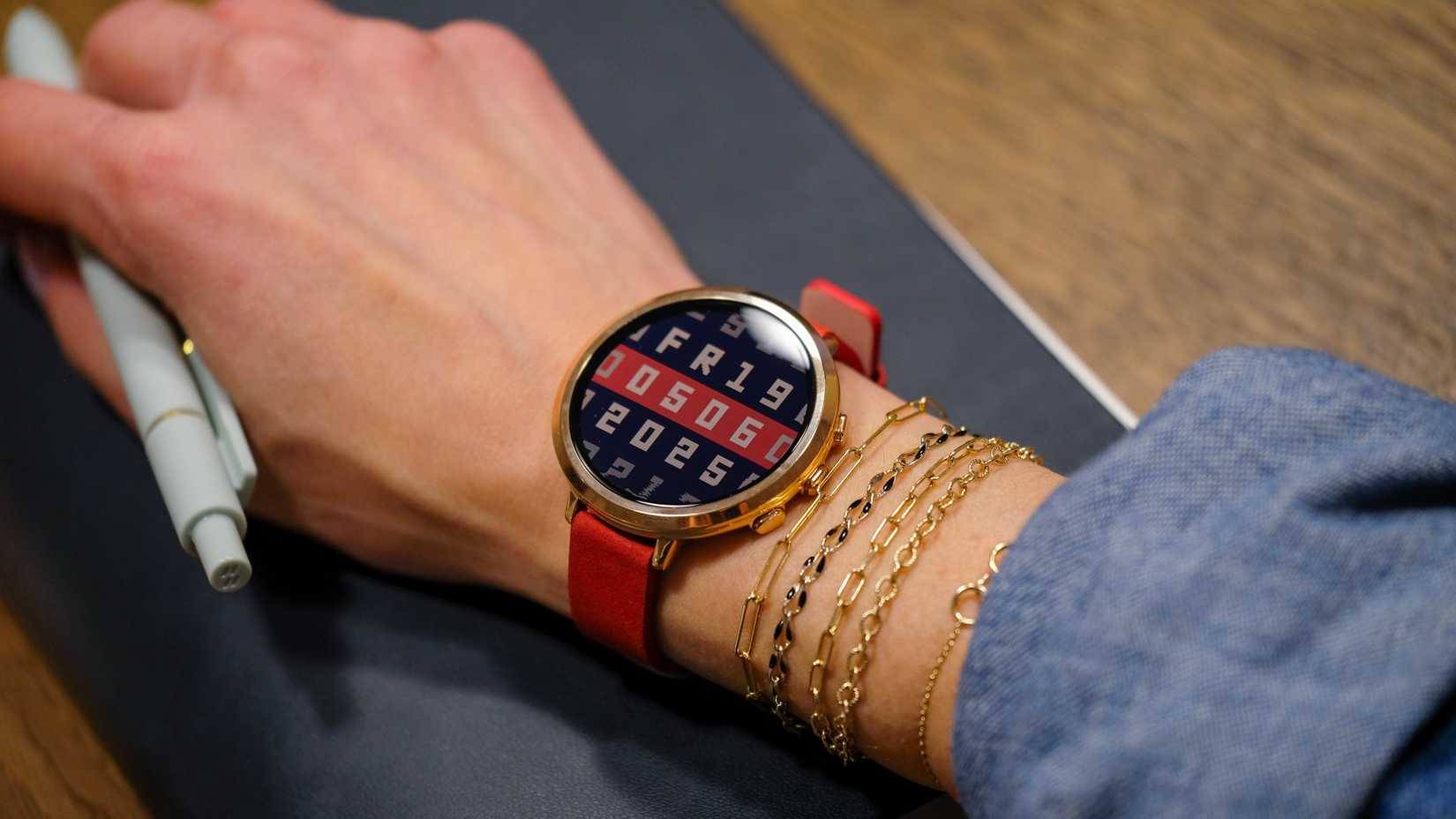
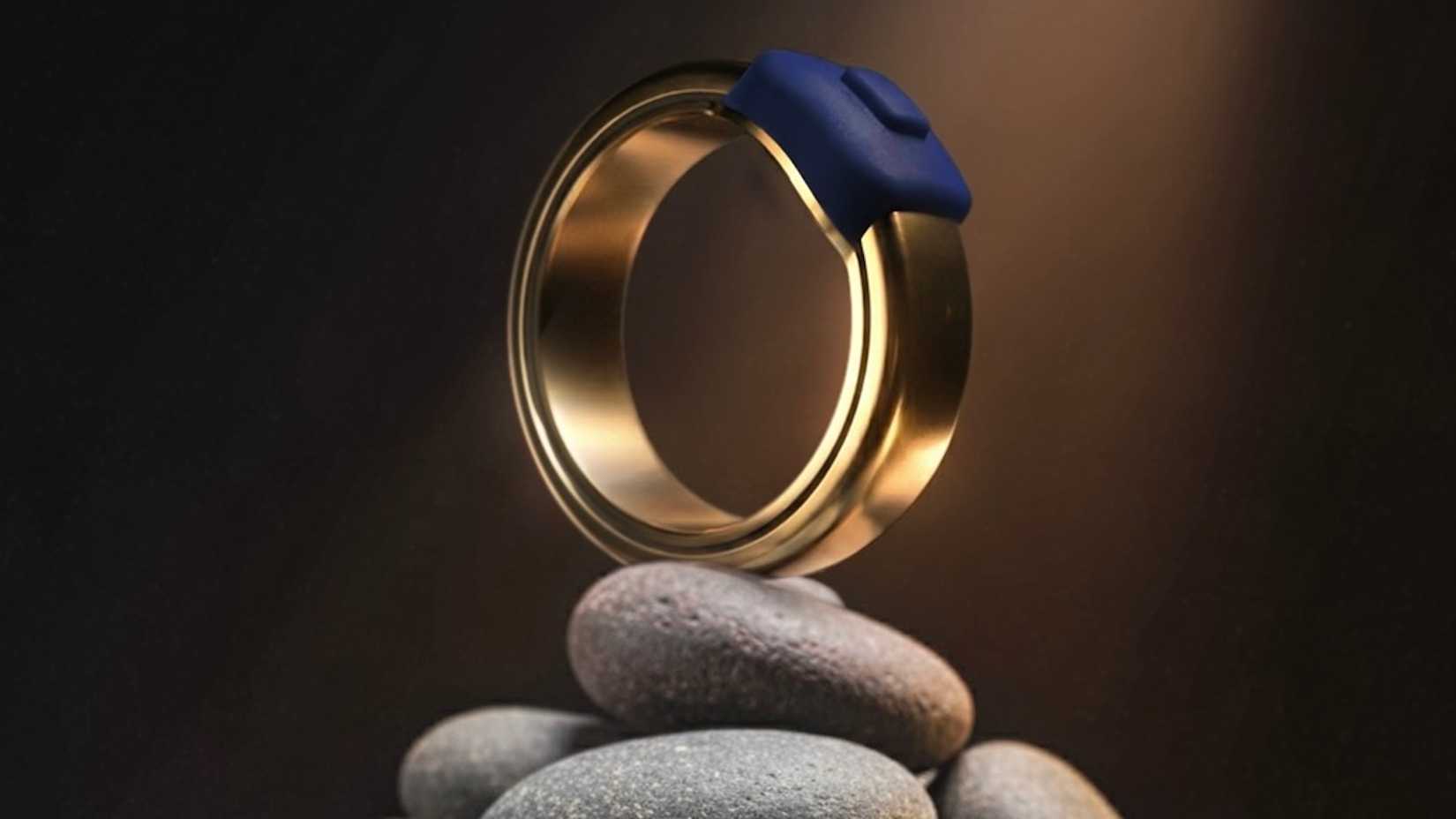
However, it didn’t stop with the Core 2 Duo and Time 2 smartwatches, and it launched the Index 01 smart ring and Pebble Round 2 smartwatch.
The smart ring is quirky and not for everyone, but the Round 2 deserves to do well outside of eager fans waiting for a new, circular Pebble smartwatch.
Credit: Clicks
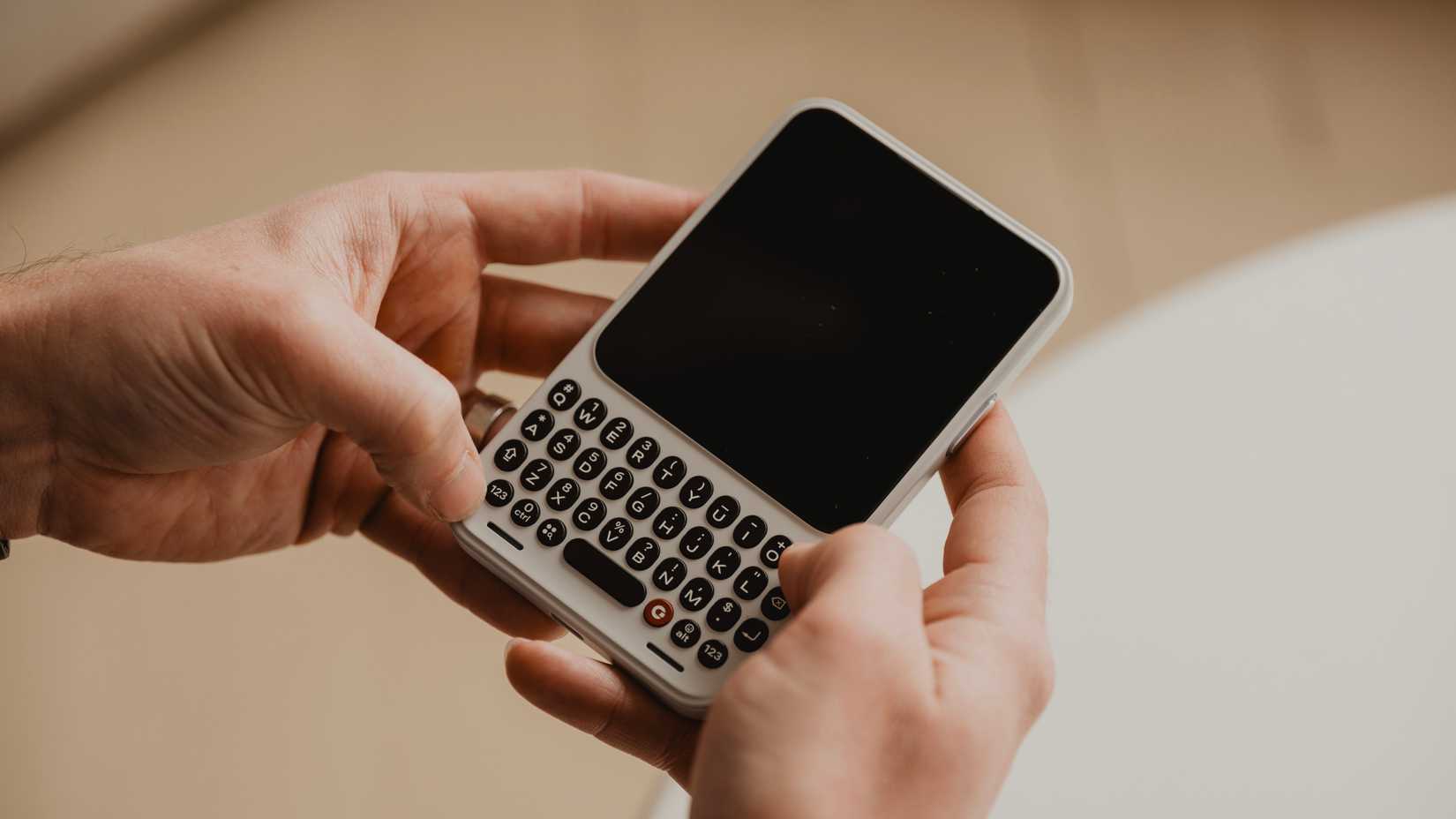
Clicks, makers of the equally quirky Clicks Keyboard case, surprised at CES 2026 with the Clicks Communicator, an actual smartphone.
It’s the spiritual successor to all those old BlackBerry phones that many started out their mobile lives using.
Rather than just another phone with a keyboard, the Communicator comes from a company that has already proven it knows what it’s doing with this type of phone, and what its loyal customers want.
The people behind the tech
Just as important as the products
Credit: Pebble
The last years have shown the importance of attaching names and faces to movements, whether it’s a political effort, a brand partnership, or a popular solo TikTok channel.
The adage of people buying people first still applies.
Personality is missing from big-name tech.
Geeks know who Tim Cook, TM Roh, and Jensen Huang are, but I doubt many champion them.
Mark Zuckerberg and Sam Altman are so far removed from being “one of us” that they may as well relocate to Mars with Elon Musk.
Yet, Pebble founder Eric Migicovsky appears approachable, and as if he’s doing what he does because he enjoys it, not because he’s a billionaire wanting more.
When I spoke to him for the Index 01’s launch, it was an enjoyable, open, friendly, and fun conversation. There was no marketing team behind the camera feeding him the acceptable company line.
The Clicks Communicator has a pair of names familiar to tech fans attached to it.
Kevin Michaluk, perhaps better known as CrackBerry Kevin, is president, and popular YouTuber Michael Fisher, also known as MrMobile, co-founded the company.
The Communicator started with a grassroots campaign, with both geek and “stick it to the man” appeal, before staging its big comeback.
The personal touch
It’s not only about profit
Credit: Sidephone
Ask any of these founders questions about their products, and you’re highly likely to get a personal answer.
Migicovsky has even started his own podcast to give people a closer look at the products and the business, and has a regularly updated blog about developments.
The agility and efforts around customer satisfaction have also increased.
For example, if you like the Pebble Round 2 but pre-ordered the Time 2, there’s the option to swap pre-orders over.
How refreshing it is to think someone is behind the scenes, considering how they would feel during an influx of new products.
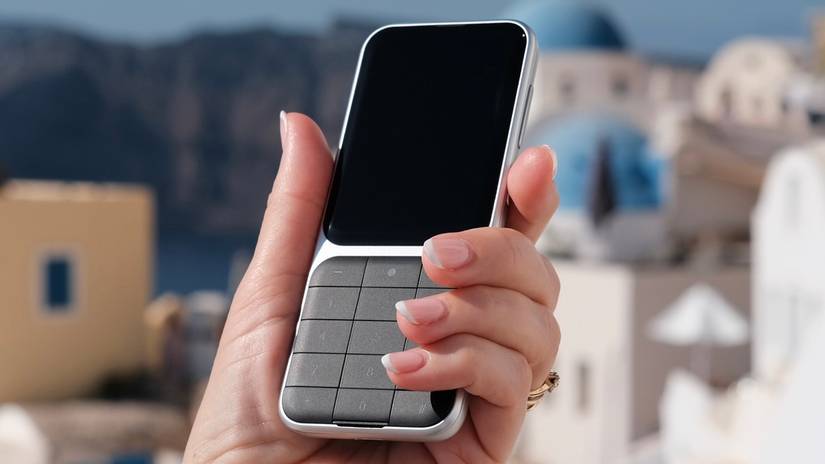
Elsewhere, the duo behind the Sidephone — an unusual modular phone that’s part Nokia and part iPod — continue to publish updates on a dedicated Subreddit, and are also at CES 2026 showing off an early version of the phone.
Their openness, story, and motivation for making the Sidephone is an integral part of the project.
There are more examples, from gaming company Ayaneo making its first Android phone and the unusual Minimal Phone, to Fairphone experimenting with alternative software on its repairable phone.
Even Oura and the Oura Ring 4 could fall into independent territory, as it focuses on a single product, which is superior to the top, big-name brand alternative.
The recipe still needs to be right
Not every underdog will have its day

While I welcome independent mobile tech with open arms, there’s still a line.
The relative ease of setting up a supply chain and signing a manufacturing contract these days doesn’t mean everyone with an idea and a Kickstarter campaign, or a hyper-niche product, should automatically be embraced.
Rabbit and Humane are great examples, as, although they’re technically independent (at least, Humane was when it started) by my own definition, the products never had mass appeal, or potential for mass appeal.
I feel products like the Lumia 2 smart earring and Halliday smart glasses fall into this category too.
However, the very fact that they exist and aren’t coming from a massive corporation still makes them laudable, and I’d love to see the Lumia 2 succeed, plus a vastly improved Rabbit R2 arrive too.
The start of a new year
With exciting new opportunities

There are enough examples here to make the start of 2026 noteworthy, and potentially the beginning of a small shift away from the dominance of big brands in mobile tech, where independent brands and creators make less profit-centric, more personalized mobile devices for everyone.
The more important part of this is that it’s not just about the products. It’s about the people at the heart of each project, and how their passion is reflected in the devices they create.
It’s this less-manufactured, less-curated approach (which only comes when shareholders and boards of directors aren’t a large part of the equation) that sets them apart, making them companies we can get behind and support.
Many big tech companies started out in garages or bedrooms.
At the start of 2026, we seem to be in a unique position to confidently support various companies at the beginning of their journey, where we put normal people first and billionaires second.







