

A few years ago, buying an Android TV felt like a no-brainer. Or if you didn’t want to invest in a new TV, you could get an Android TV-powered box to turn your old television into a smart one.
Around four or five years ago, I picked up my first Android TV, and eventually, I got other family members to upgrade as well.
At the time, it made sense since we got access to Google’s app ecosystem, deep Android integration, and access to all available streaming boxes.
Today, every one of those devices feels unusable.

Android and Google TVs are repeating Android’s old mistakes
Everything only looks great on paper
Credit: Lucas Gouveia / Vasyl Shulga/Shutterstock
I’ve been through this cycle before with Android phones from a decade ago.
At the time, every mid-range or flagship Android phone launched with much hype, packing impressive new features and customization options.
But after a year or two of using them, things always changed for the worse. App loading times increased dramatically, navigating through the UI felt sluggish, animations stuttered, and the OS just felt heavy.
It’s the same with Android and Google TVs.
When I first got them, they felt smooth and fast despite their relatively modest internals.
Over time, though, as Google has added more features and apps have gotten heavier, the limited hardware has started showing its age.
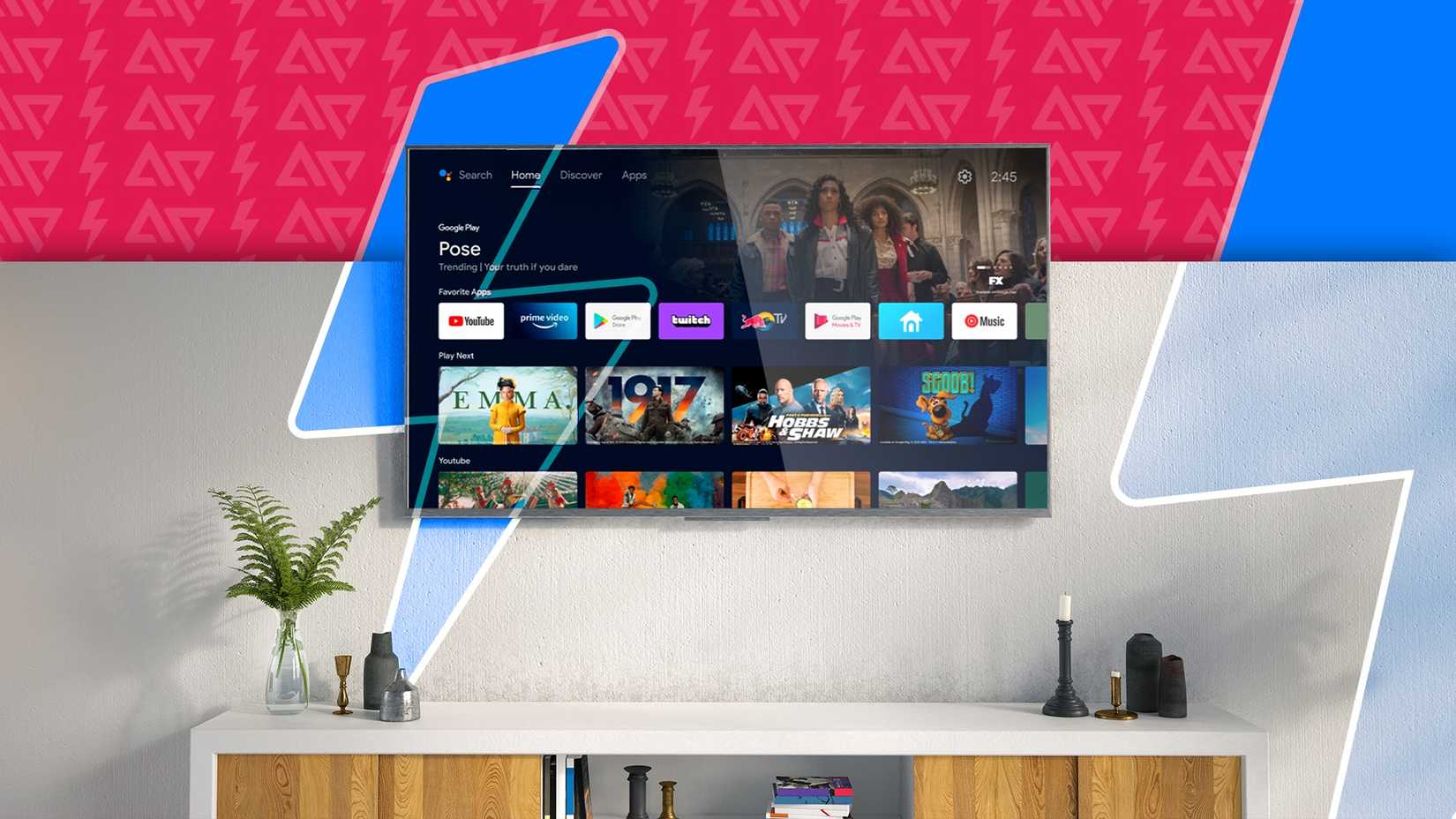
Updating apps takes at least a few minutes, and it completely bogs down the TV’s performance. Worse, certain heavier apps take almost a minute to load, and navigating through their UI is an exercise in frustration.
The problem is that lag and stutter on a TV hit very differently than on a phone.
Navigation on a TV is simpler and happens at the press of a button, so you expect an immediate response. And when that doesn’t happen, it’s immediately noticeable and far more irritating.
There have been numerous times when I have used the D-pad on my HiSense TV to navigate through the rows of live tiles on the home screen, only for the TV to take a few seconds to catch up to my inputs.
Inferior hardware was always the warning sign
Cheap hardware, predictable results
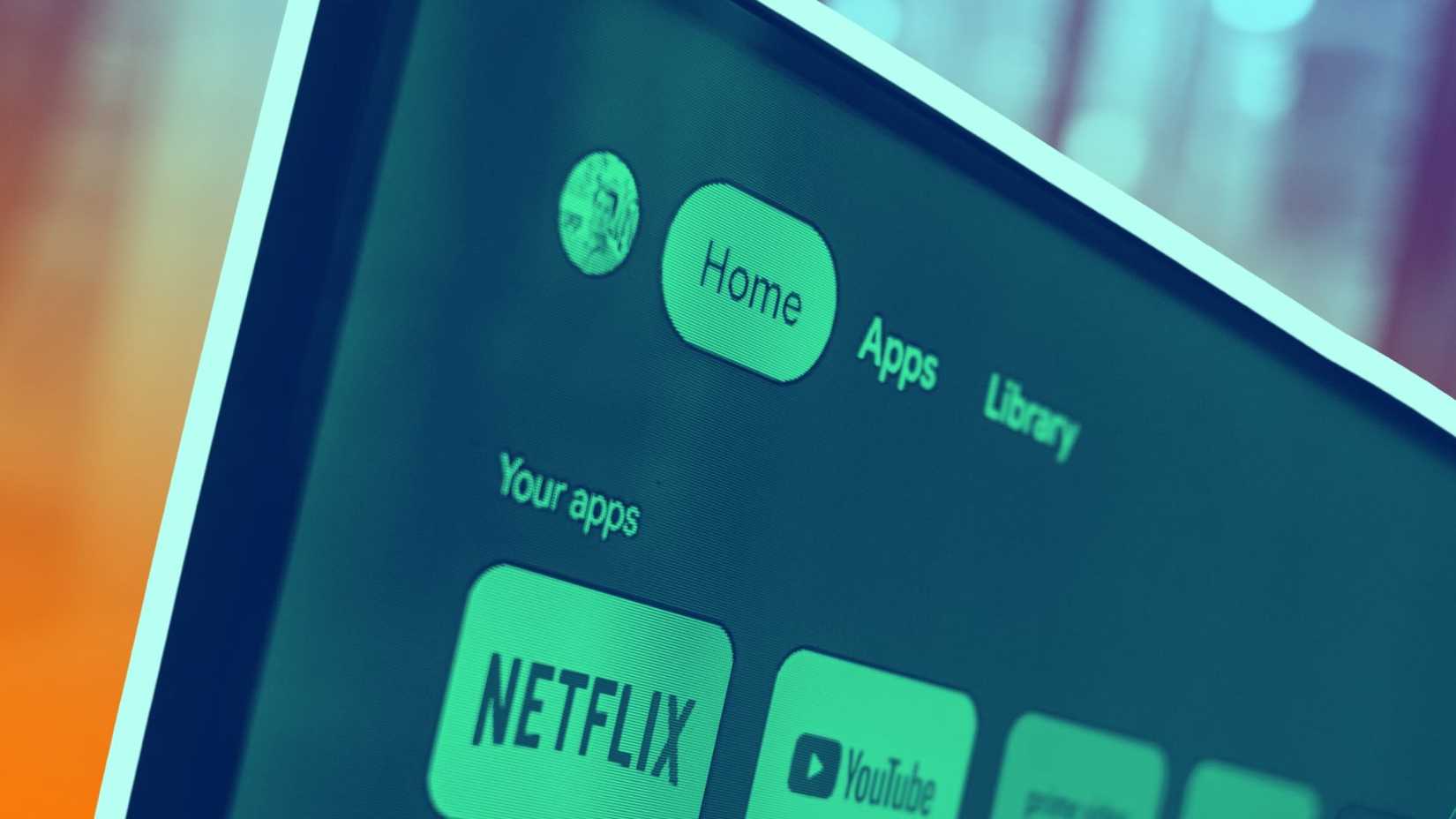
The underpowered hardware on Android TVs always bothered me. I have seen this play out with mid-range Android phones from a decade ago.
Despite Google’s promises, these phones always became slow and laggy after a year or two of use. But it’s easy to replace a smartphone, not so much with TVs.
The low-end hardware works initially because the software is optimized around it at launch.
But as Android TV — and now Google TV — has gained new features and background processes have piled up, the limited CPU power, RAM, and internal storage have created a major bottleneck.
As a result, even basic tasks are now a struggle. This all comes down to the TV’s internal hardware not being designed to handle long-term software growth.
A few years ago, most Android TV makers resorted to aggressive cost-cutting to reach attractive price points. To achieve that, they sacrificed hardware quality. Unfortunately, that approach still remains the norm.
TV manufacturers continue to prioritize price over longevity. Most Google TVs ship with just enough hardware to feel fast during the initial few months.
Sadly, even review cycles can’t properly account for long-term performance degradation.
Typically, people upgrade their phones after two or three years. That’s not the case with TVs; they are long-term appliances.
However, Google treats both platforms similarly, without accounting for the fact that the core hardware on TV remains unchanged for years.
Inconsistent software support
What software updates?
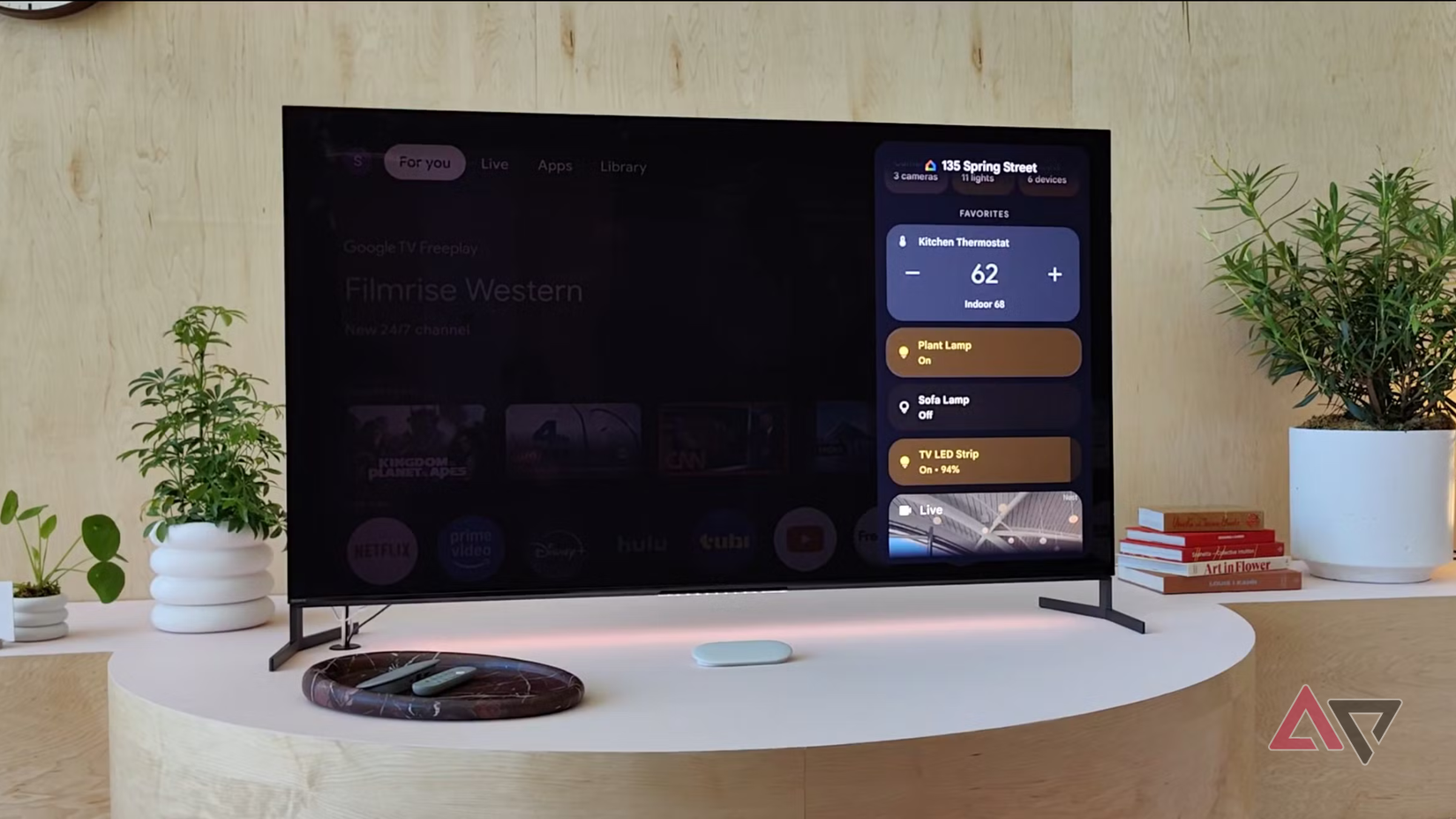
Remember how poor software support was a major issue with Android phones a decade ago?
You’d expect Google to have learned its lesson and ensured the same problem didn’t repeat with Android TV and Google TV.
Unfortunately, that hasn’t been the case. Software updates still depend heavily on the TV manufacturer, and they rarely arrive on time — if they arrive at all.
My HiSense Android TV in the living room has received maybe three or four updates since I bought it a few years ago. And by updates, I don’t mean major OS upgrades.
There’s no real concept of rolling out regular security patches — whether monthly, quarterly, or even twice a year. When the TV is on the market, software support seems to fade into the background quietly.
Worse, if an update packs some new features, it has led to the TV becoming slow and sluggish.
Stuck with no good alternatives
Why buying another Android box isn’t the answer
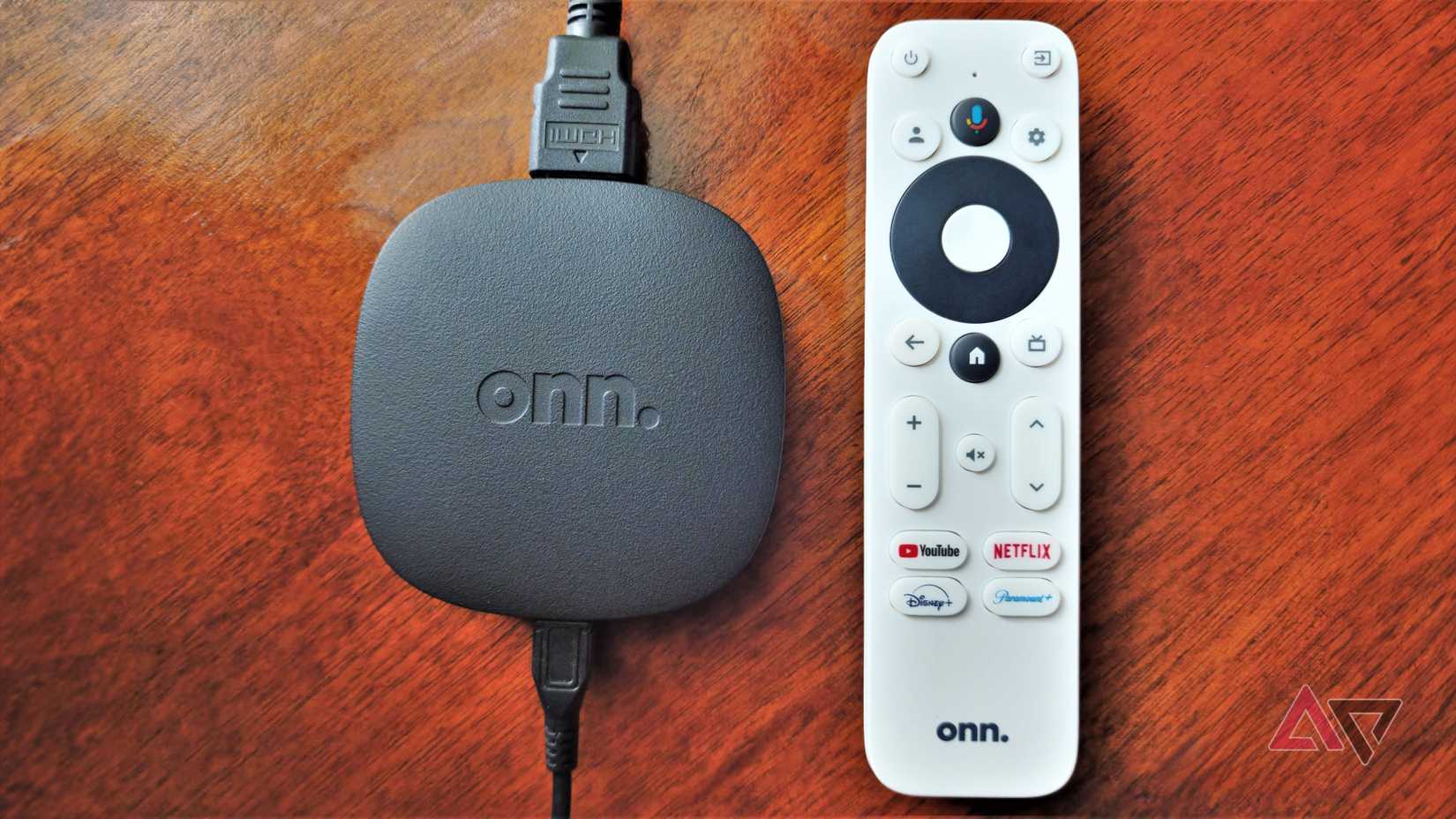
In theory, the easiest fix to all my Android and Google TV performance woes would be to buy a powerful new Android set-top box to bypass the TV’s sluggish internal hardware.
A one-time investment, but one that solves the issue for good.
However, there are no compelling Google TV streaming devices with powerful hardware that promise to offer decent performance for a few years.
Almost all the options on the market use underpowered hardware, just packaged in different shapes and sizes. They work fine initially, but don’t age well.
Even after all these years, there’s simply no Android equivalent that can match the consistency, responsiveness, and longevity of something like the Apple TV.
Google TVs just don’t age well
After years of using Android TVs (and now Google TV), it’s clear to me that the platform struggles with longevity.
The underpowered hardware and inconsistent software updates deliver an experience that only gets worse with time.
At this point, I don’t want workarounds or temporary fixes. I want a TV experience that stays fast and dependable for years, not months.
And based on everything that I’ve seen and experienced so far, Google smart TVs and boxes just don’t offer that kind of reliability.











