


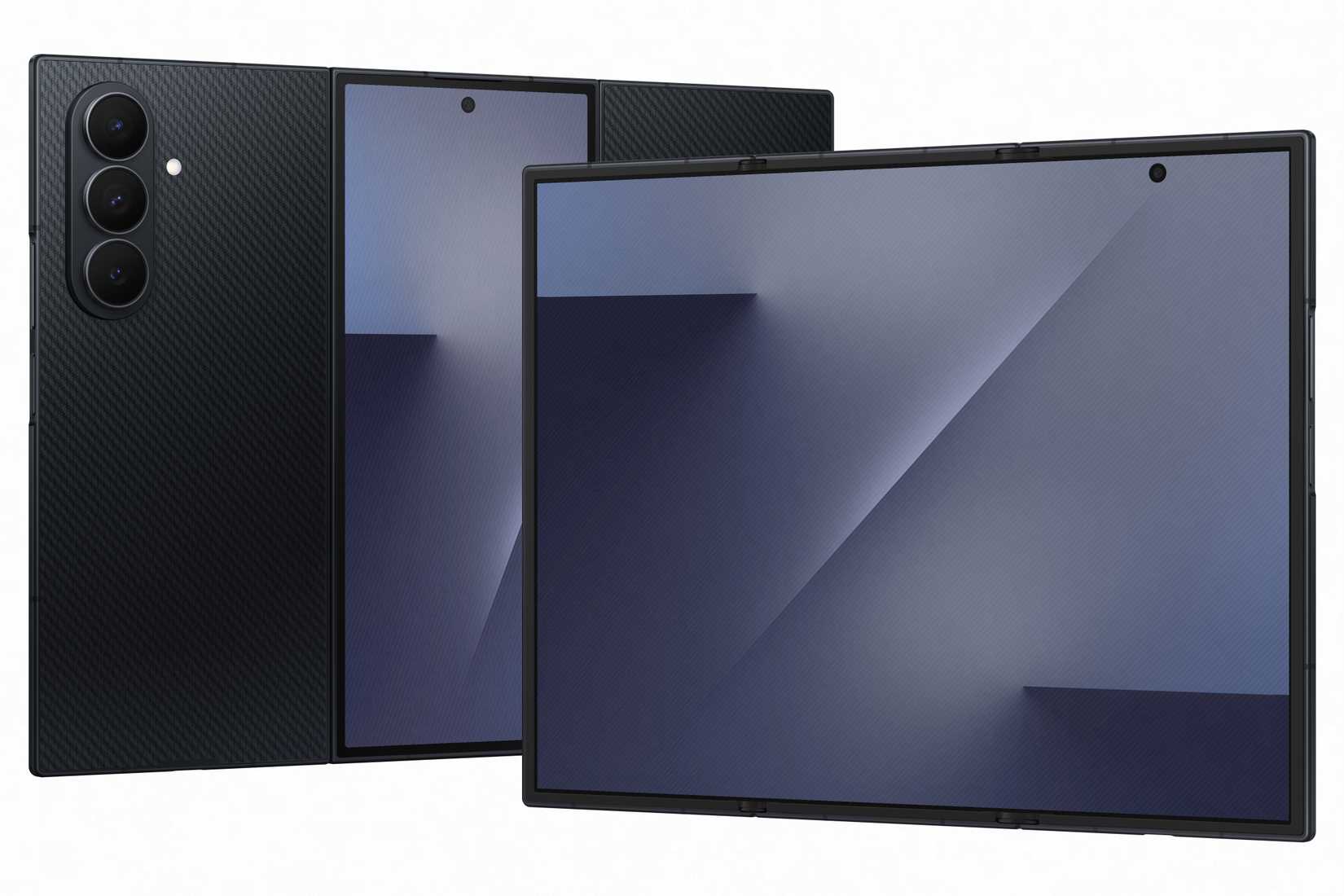
Samsung has made the Galaxy Z TriFold official, giving us plenty of details about the next big evolution of the folding phone.
We even know how much it will cost in South Korea, where it will first launch, and although it’s expensive, it’s nowhere near as out of touch as I feared.
But what about the eventual US price? It needs to fall below a key threshold if it’s going to be taken seriously, but will it?
Expensive, but not as bad as it could have been
At least, in South Korea
Credit: Samsung
The Galaxy Z TriFold will be released in South Korea on December 12 and will then be released in other regions, including the US, in 2026. It’s great news, and exciting to see a device that has been rumored for a while finally become a real product.
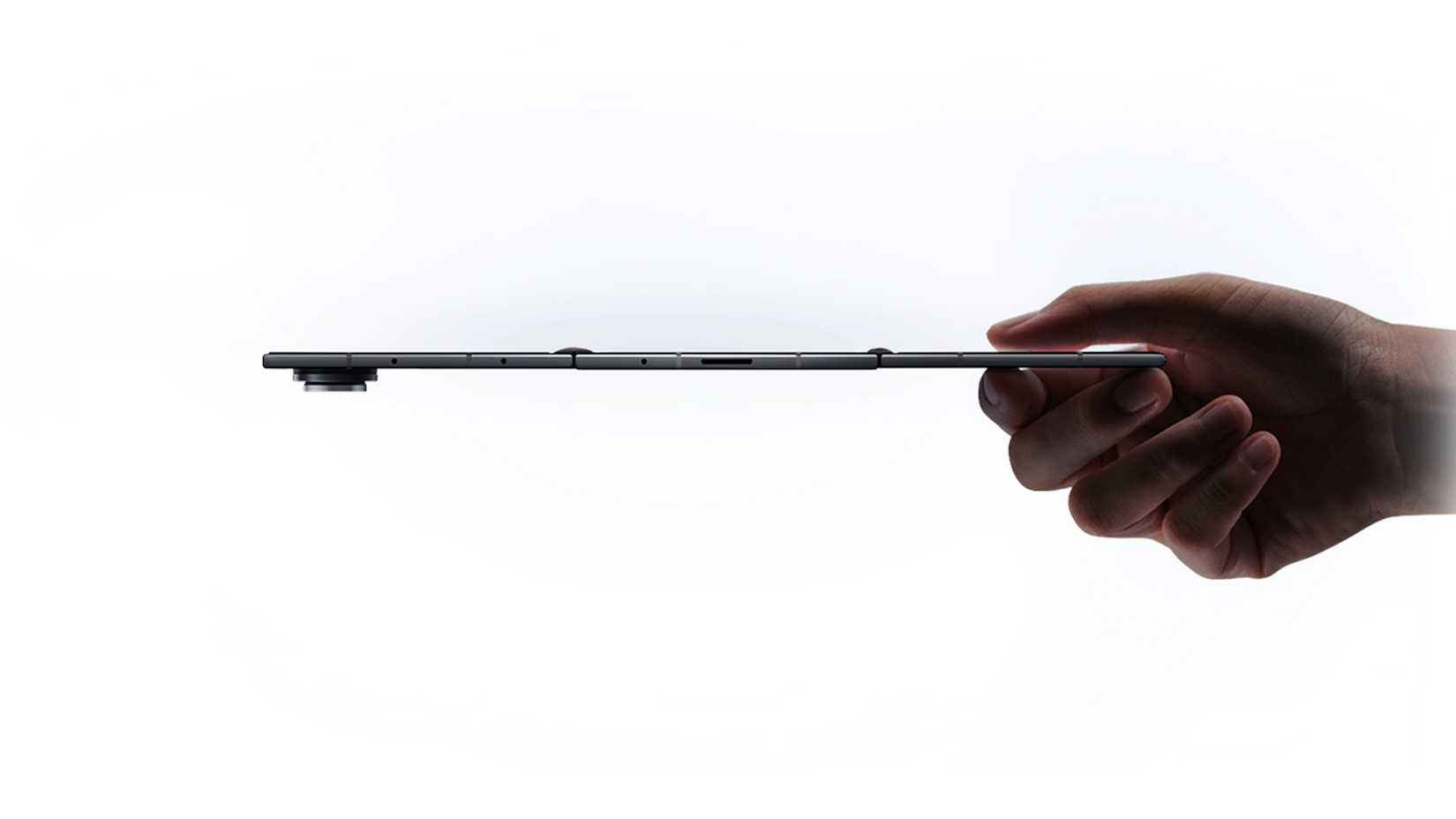
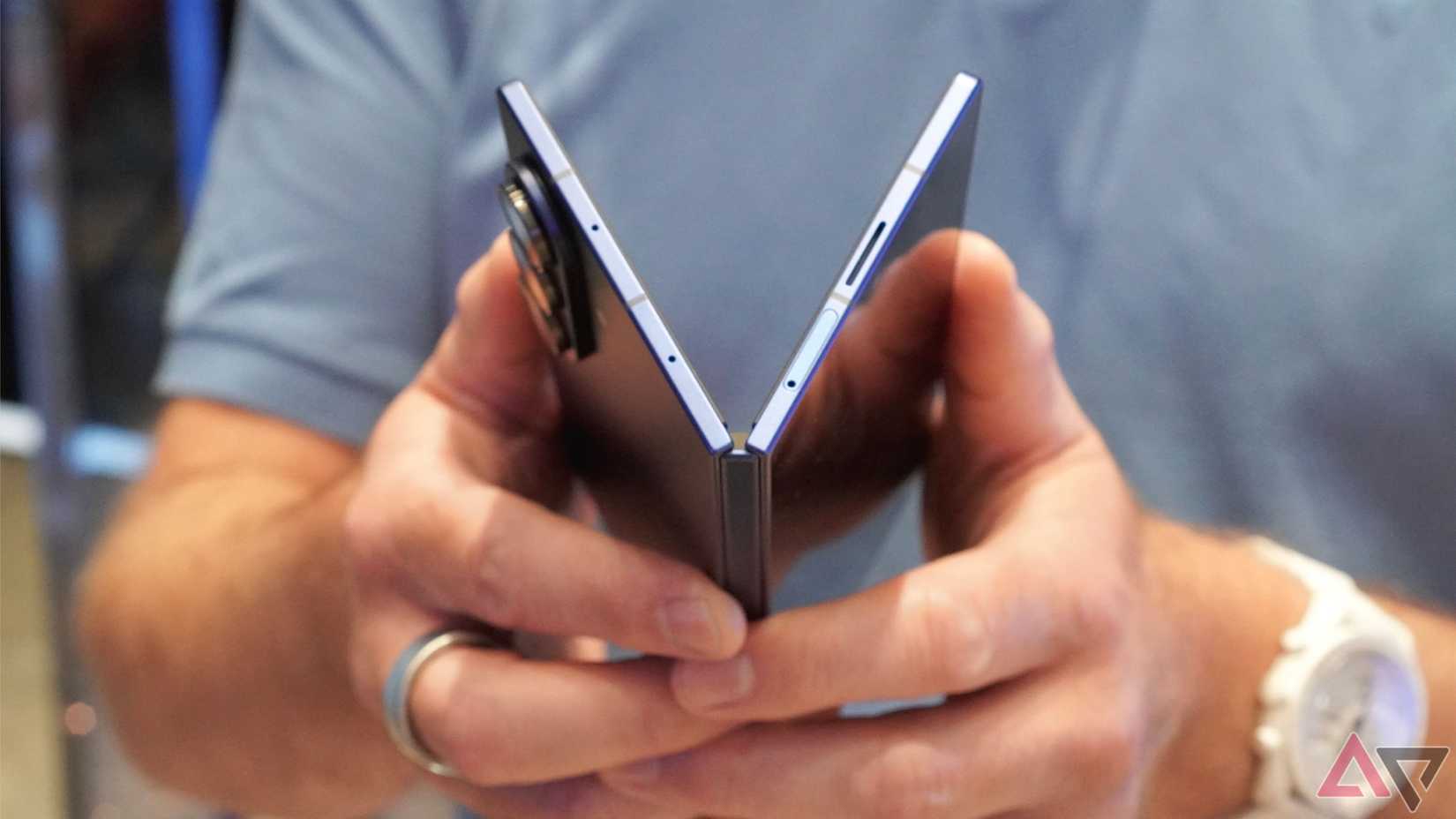
It’s very cool mobile tech, and I can’t wait to unfold the 6.5-inch screen twice, so it becomes a 10-inch, tablet-style surface. I don’t care that I haven’t really figured out how useful it’ll be in real life, or how often I’ll do it once the novelty has worn off. I just want to try it.
Samsung could have gone mad with the Galaxy Z TriFold, attaching a price that pushed it well into the luxury bracket, hoping to ride a wave of it being aspirational rather than (somewhat) obtainable.
But it hasn’t. The price converts to about $2,400. This is a lot of money for a phone, obviously, but it sounds far more affordable than it could have been.
Take a trip back in time
Look at the numbers
Unfortunately, this probably won’t be how much the phone costs in the US when it goes on sale. To make an educated guess on what it will be, we need to look at how much Samsung’s range of devices over the last few years have cost.
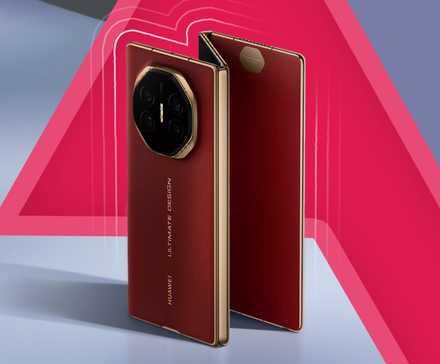
The Galaxy Z TriFold can trace its roots back to the original Galaxy Fold, which came out at the end of 2019 and cost $1,980.
Just before the Galaxy Fold came out, Huawei released the Mate X and demanded $2,450 for the pleasure of opening and closing it, and followed it up with the $2,800 Mate X2.
We can see folding phones at the time cost between $2,000 and $3,000, depending on the spec and manufacturer.
Price differences give us clues
And the clues are a bit scary
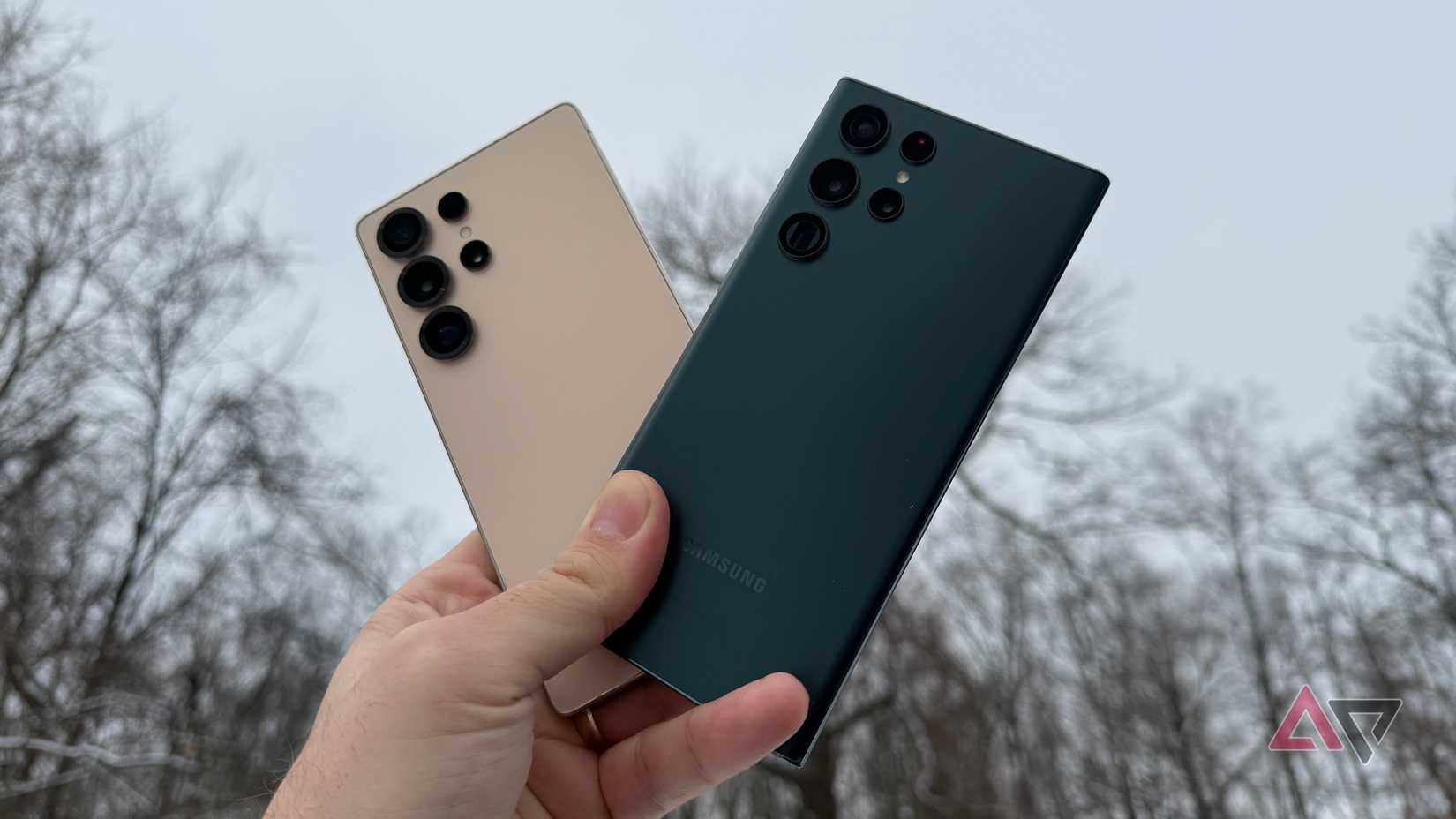
A few months after the Galaxy Fold came out, Samsung priced the brand-new 2020 Galaxy S20 Ultra at $1,400, giving us a $600 difference between its two flagships at the time.
The Galaxy Z Fold 7, the latest standard folding phone from Samsung, costs $2,000, making it essentially the same price as the first Fold, while the Galaxy S25 Ultra starts at $1,300, leaving us with a $700 price difference between them.
Still with me? I’m not quite done. Although the TriFold’s South Korean price converts over to $2,450, we shouldn’t bank on it being the final US price.
To get a better clue, a South Korean Z Fold 7 starts at around $1,650, giving us a $350 difference. It all points to the Galaxy Z TriFold costing between $2,750 and $3,100.
That said, Samsung would be wise to keep it to around $2,500, or it risks losing the all-important early adopters completely. Why? It needs to learn from its arch-rival.
Learn from Apple’s mistake
Not another Vision Pro

Credit: Apple
Looking back, one of the last times a major mobile manufacturer launched an entirely new, completely different device was Apple with the Apple Vision Pro. While the two devices are not the same, Samsung risks the same public reaction if it prices the Galaxy Z TriFold badly.
The Vision Pro launched at $3,500, and the incredibly high price dominated the conversation for a while, to the point that it overshadowed the device’s functionality. It was also so high that it successfully put a lot of people off, regardless of whether they could afford it or not.
They struggled to understand how it would fit into their lives, and therefore could never justify such a price to find out, and I think many people will feel the same about an absurdly expensive TriFold.
Even two years on from the Vision Pro’s announcement, it’s still very rare to find a piece of consumer tech that costs more than $3,000, unless you’re looking at top televisions or gaming computers.
If the Galaxy Z TriFold costs $2,999 — and as we can see, there’s a chance it may —or more, there’s a far higher chance of it becoming Samsung’s Vision Pro, and not its next folding phone win. Samsung can avoid all this by being sensible with the final price.
Is Samsung expecting big sales?
The price can’t be a joke
Credit: Samsung
Alex Lim, Samsung’s head of Korea Sales and Marketing, said setting the price of the Galaxy Z TriFold in Korea was a “difficult decision,” during a conversation with Reuters. He added that the device is for “people who want it,” and not as a “volume driver” for the brand.
This is essentially how it pitched the original Galaxy Fold, and at the time, it was priced accordingly.
Samsung may not expect the TriFold to sell like the S25 Ultra, but it also has to know people will want one. As shown above, the Z Fold series hasn’t altered in price much since 2019, so what it sets the TriFold at now is likely how much it’ll cost for some time.
The tone needs to be set, and set right. The US price needs to be less Vision Pro and more 1TB Z Fold 7, or it’s at risk of being a joke at a time when household conversations are dominated by the increased cost of living, and the idea of a smartphone with a four-figure price that starts with a three is more preposterous than ever.










