


If there’s one big tech moment people will remember from late 2025, it’s the day iPhones and Android phones finally stopped acting like sworn enemies.
Over the past decade, trying to send a simple high-res photo between the two felt impossible on purpose. Apple and Google built their own walled gardens, and file sharing became one of the bricks.
So when both companies announced that AirDrop and Quick Share would finally talk, the entire world treated it like the start of actual peace talks.
Sure, cross-platform sharing is handy, but if we’re being honest, the world has already moved on. What we actually need now is a unified tracking network.

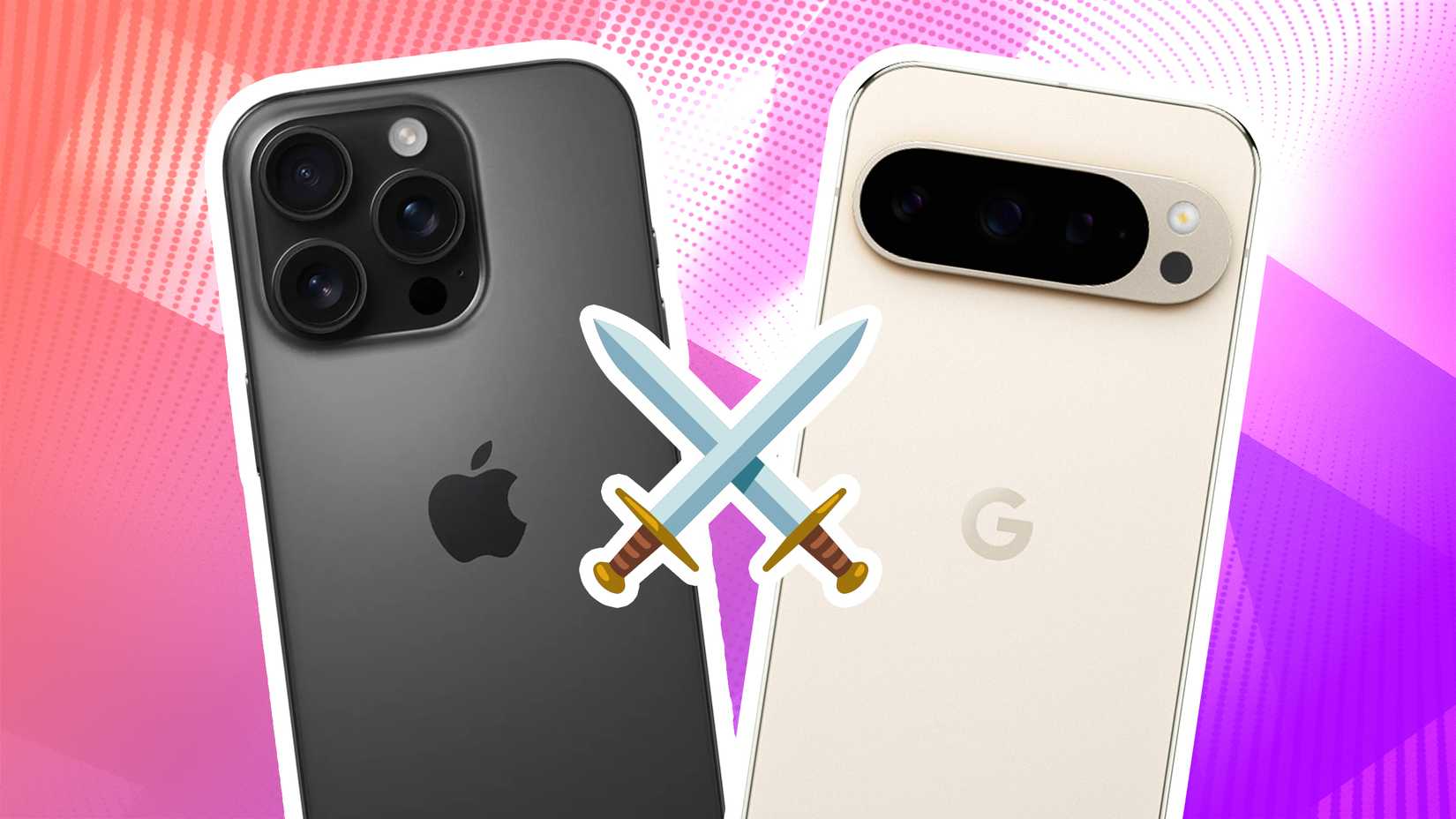
The difference between Apple and Google’s tracking networks
Credit: Apple / Google Store
Apple’s Find My works took off with the AirTag launch in 2021. AirTags, iPhones, iPads, Macs, and even HomePods ping lost items using Bluetooth and ultra-wideband (UWB).
With over 2 billion Apple devices out there, in places like the US, UK, and Japan, an AirTag in a city is rarely out of range of a nearby Apple device for more than a few minutes. It’s an incredible mesh network.
But that mostly applies to countries where iPhones are popular. In many other places, most people actually use Android devices. Despite having over 3 billion Android devices, Google’s Find Hub network is still not as mature.
One reason Apple’s Find My network works so well is that it’s turned on by default. You have to dig through your settings to switch off the toggle. That means almost every iPhone acts like a relay, building a super dense, hard-to-escape mesh.
On the other hand, Google played it safe. They launched their network with conservative defaults, worried about privacy and regulators. On top of that, to stop stalking, Google made an aggregation rule the default.
That means a tracker’s location only shows up if multiple Android devices spot it. While that’s good for privacy, it basically makes the network less effective in rural spots, quiet suburbs, or anywhere a thief might hide from crowds.
Now, if these systems come together, they’d cover each other’s weaknesses. However, there are technical hurdles that need to be overcome first.
The software barrier between Apple and Android tracking
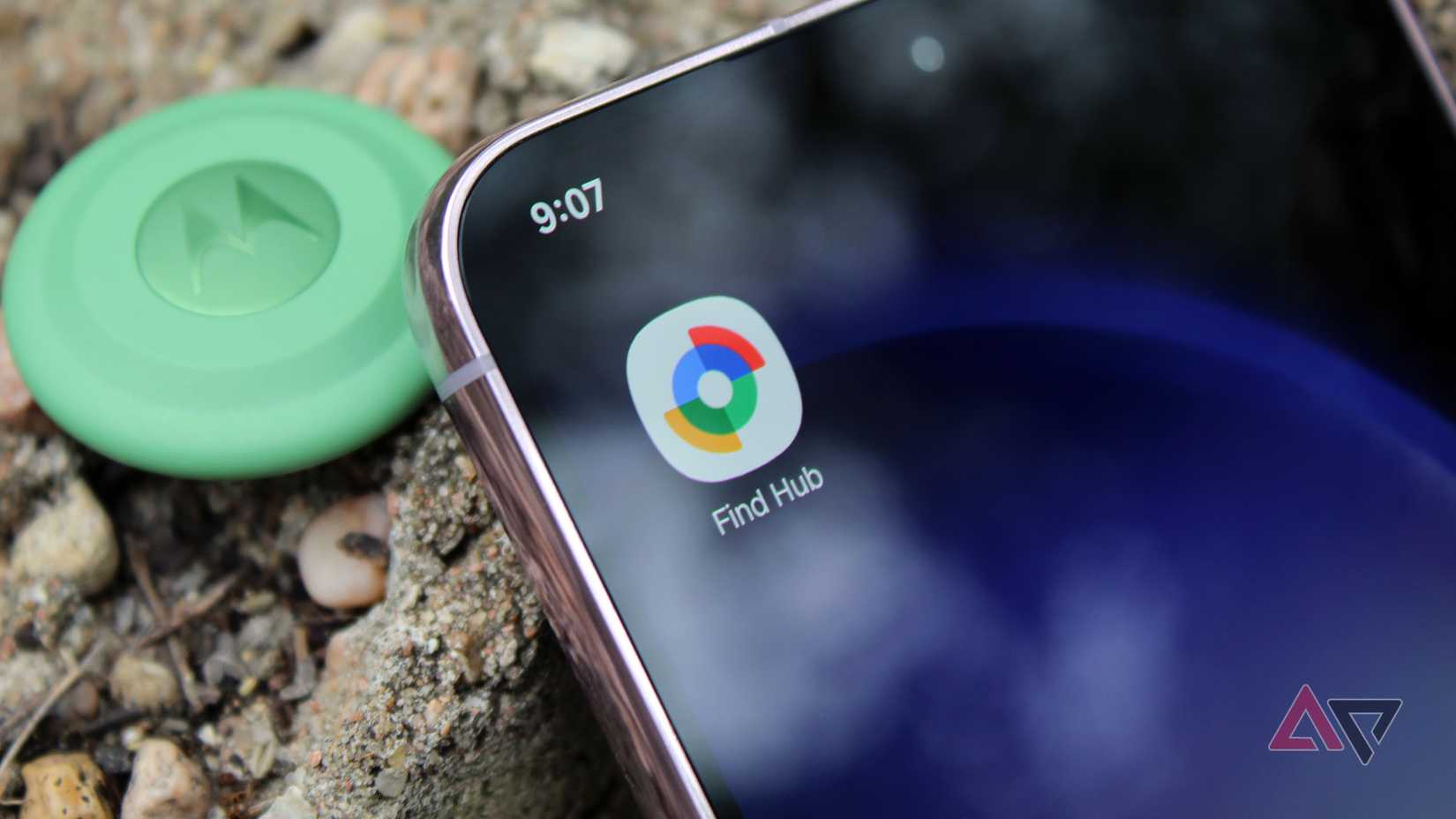
Both Apple and Android use encryption that keeps things secure, but their systems don’t talk to each other. An AirTag sends out a special message.
Android phones can detect this, but without Apple’s special decoding and no incentive to help, they treat it like background noise (unless they’re scanning for unknown trackers).
Every system has its own way of verifying trust. Android devices don’t get trusted by Apple, and vice versa.
The hardware gap between Apple and Android
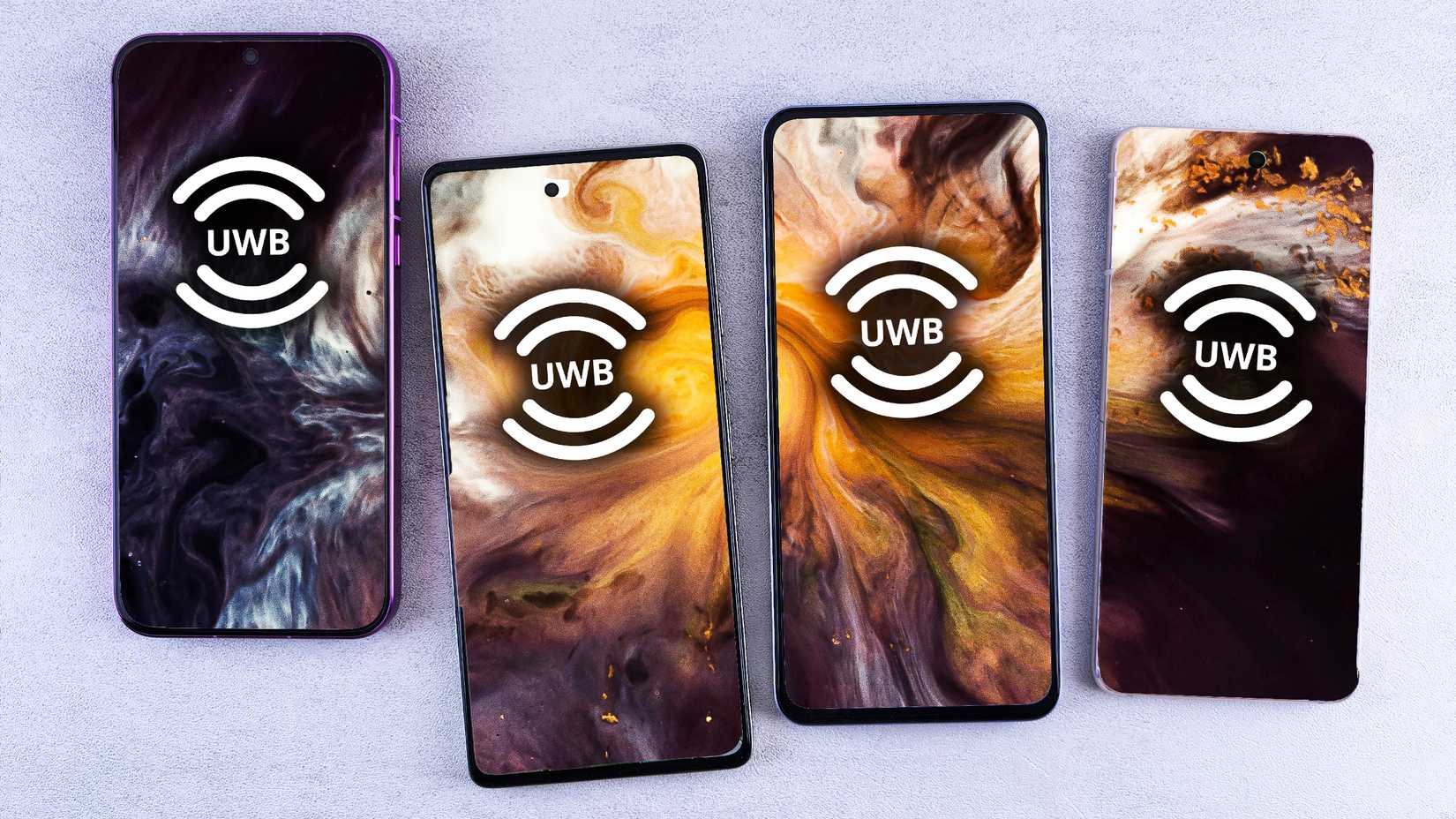
Another problem with getting devices to work together is UWB. This tech lets your phone point right at a lost item with precise accuracy down to a few centimeters.
Apple took a big lead here. Starting with the iPhone 11 in 2019, they put a special U1 chip in every model, then upgraded to the U2 chip with the iPhone 15. Most iPhones have this UWB tech built in, letting Apple offer precision finding as a key feature for AirTags.
The Android world has its usual fragmentation problem. UWB is only available on higher-end devices like the Pixel Pro lineup and Samsung’s Galaxy S Plus and Ultra models.
The midrange phones, which make up most Android phones, usually don’t have this hardware. Because of this hardware split, even if Bluetooth networks joined forces, precision finding would still be uneven.
The blueprint for a unified network

Matter is a great example of how to solve this problem. It brought smart homes together under one roof. Before Matter, devices worked with either Nest or HomeKit, but rarely both. That split held back sales.
The Connectivity Standards Alliance got Amazon, Apple, Google, and Samsung to agree on a single protocol.
The same kind of solution could work for Android and iOS tracking networks. Bringing them together under the same system would benefit everyone.
All phones need to recognize the help signals that lost items send out. At the same time, the device must keep location information secure, so only the owner’s phone can access it.
This requires a shared system for managing encryption keys or a secure server that allows a Pixel (or any device) to share location data without knowing the owner’s identity. Additionally, the UWB technology would need to be standardized across platforms.
Hopefully, AirDrop on Pixel is the first step
The new AirDrop-on-Pixel feature is a milestone in interoperability and sharing between iOS and Android. It makes life easier for families and friends with mixed devices.
It’s cool for sure. But cool doesn’t recover a stolen tablet. Cool doesn’t find a wandering pet. Cool doesn’t locate a checked bag in a foreign airport. The feature we actually want is infrastructure.
Apple and Google proved their devices can talk to move pictures. Now it’s time to let them talk to find a suitcase.







