


Since the Google Pixel Fold launched to unenthusiastic applause, we’ve speculated about the possibility of a Pixel Flip hitting the shelves.
The Pixel 10 Pro Fold showed that Google was committed to improving its foldable phones, but we’ve heard nothing positive about it launching a clamshell foldable.
It’s reasonable to want a Pixel Flip. Many of us (including me) love the Pixel’s software experience (despite its many downsides), and it’s frustrating that we can’t experience that same software magic on a flip phone.
Yes, there’s the Pixel 10 Pro Fold, but $1,800 is a steep price for the pleasure of a foldable Pixel phone.
However, despite being a long-term Pixel fan, I don’t mind that Google isn’t making a Pixel Flip. Here’s why.

What a Pixel Flip phone could offer us
Pixel-exclusive features on the cover screen
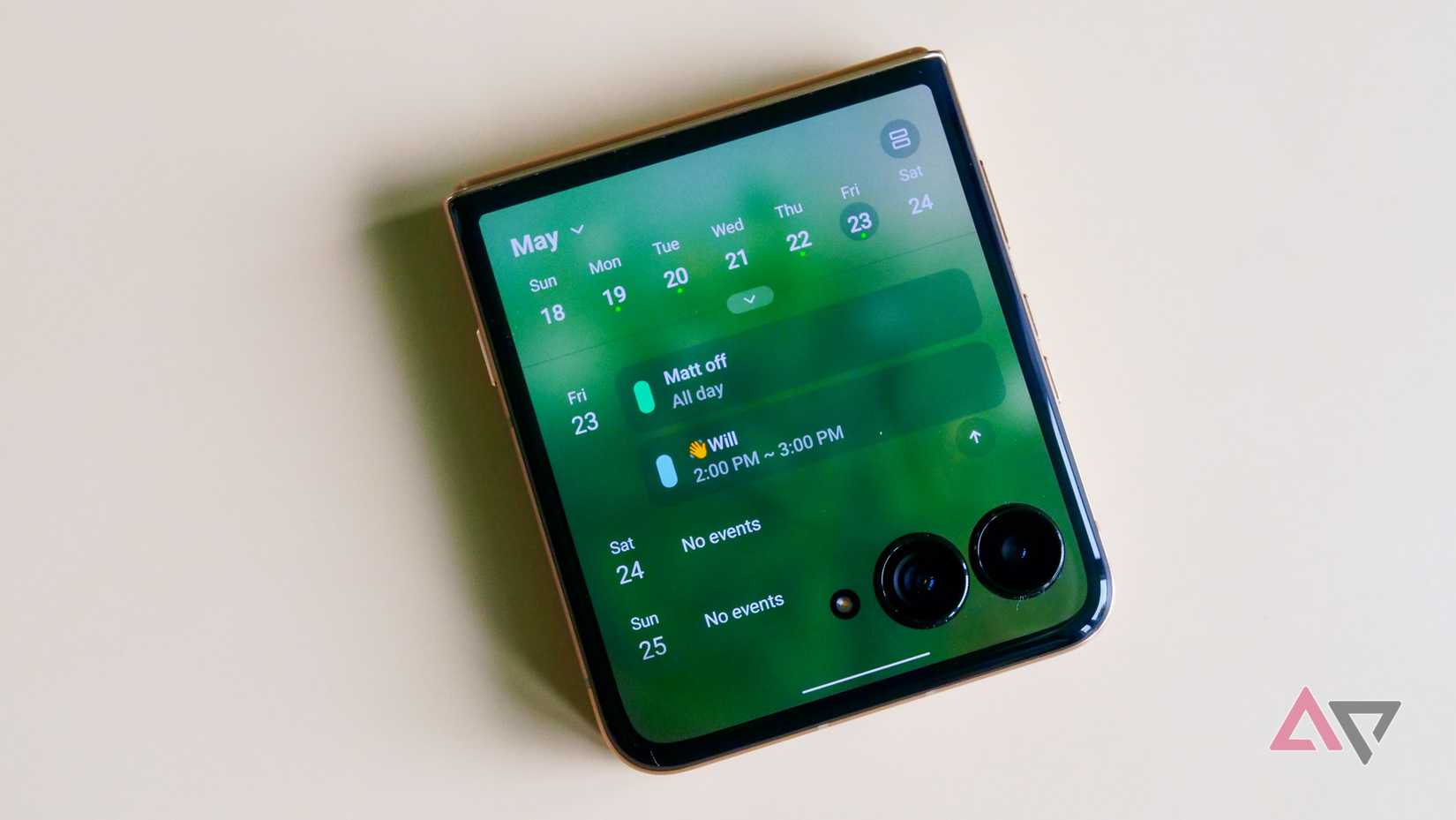
In order to think about what a Pixel Flip could do, let’s take a look at the best clamshell foldable you can buy, the Motorola Razr 2025.
After a bumpy few years, Motorola finally gave the Razr name a phone worthy of its legacy.
The Razr 2025 offered a large, customizable cover screen that wasn’t arbitrarily restricted like Samsung’s Z Flip phones.
It had the battery and performance to sustain you for a full day of use, and best of all, it’s easy to find for well below its $700 MSRP.
Motorola managed to figure out precisely what a foldable needs to succeed, but what could Google do better?
The cover screen is the most crucial feature of a flip phone after durability.
If the cover screen experience is poor or half-baked, like on the Z Flip, you ignore it in favor of the inner display. And at that point, you might as well spend the same money on a more powerful non-folding phone.
To beat the Motorola Razr, the Pixel Flip could integrate exclusive Pixel features into the cover screen.
For example, Call Screen could transcribe calls onto your cover screen, and Translate could appear on both displays to facilitate conversations.
However, are these features really necessary on a flip phone?
While the features mentioned above would be useful, I can’t imagine buying a Pixel phone just to access them.
All my favorite Pixel-exclusive features would be best experienced on the main display, which makes buying a Pixel Flip irrelevant. That’s not just my opinion; it’s also the opinion of Google executives.
Google doesn’t see much point in releasing a Pixel Flip
Instead, it’s focusing on its core Pixel phones and AI
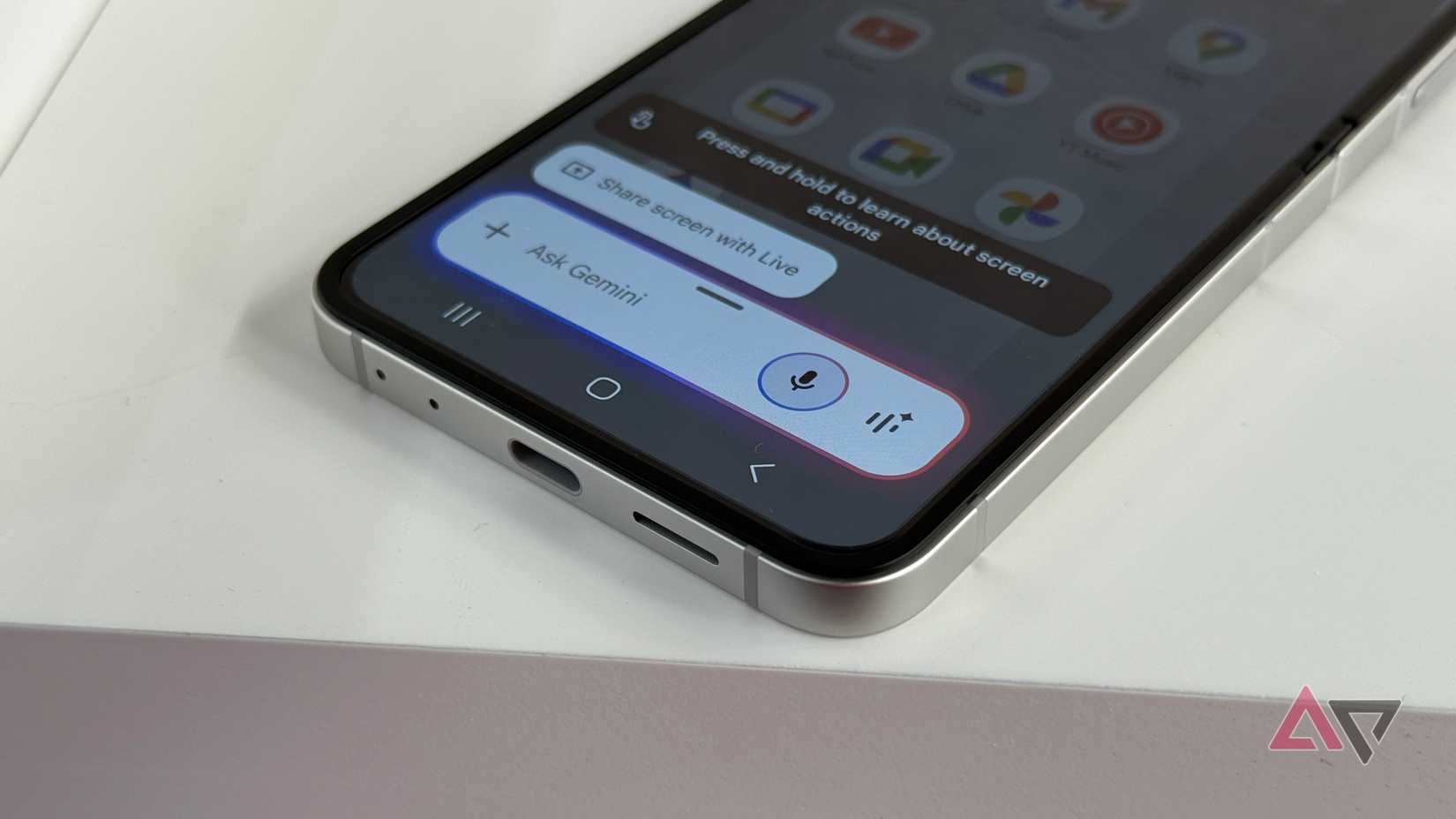
In August 2025, Bloomberg interviewed Google’s Vice President of Devices and Services, Shakil Barkat (via TechRadar), and confirmed what we feared.
There are no plans to release a Pixel clamshell foldable. Instead, Google is doubling down on its core range of phones and AI, leaving the market for flip phones and smart rings in the hands of its competitors.
I completely agree with this strategy. It’s hard to think of a good reason to buy a Pixel Flip unless Google sold it for less than its competitors.
Google holds a tiny share of the smartphone market, and the Pixel Flip would account for only the smallest fraction of this segment.
Developing a Pixel Flip would waste resources that would be better allocated to improving the core Pixel experience and competing with Apple.
Speaking of Apple, have you ever wondered why Apple hasn’t released a foldable iPhone yet? It’s because Apple needs to maintain its brand appearance, and it’s only recently that we’ve seen foldables without creases and major durability issues.
Pixel phones do not offer the same level of quality assurance as an iPhone.
While Google could transfer some lessons from the Pixel Fold to a Pixel Flip, the first Pixel Flip would likely be a disappointing effort.
Faced with the stiff competition from Motorola and Samsung, it would likely meet with resounding failure.
Why take that risk when you can continue building an increasingly successful non-foldable lineup?
We won’t see a Pixel Flip anytime soon, and I don’t care
What would be the point?
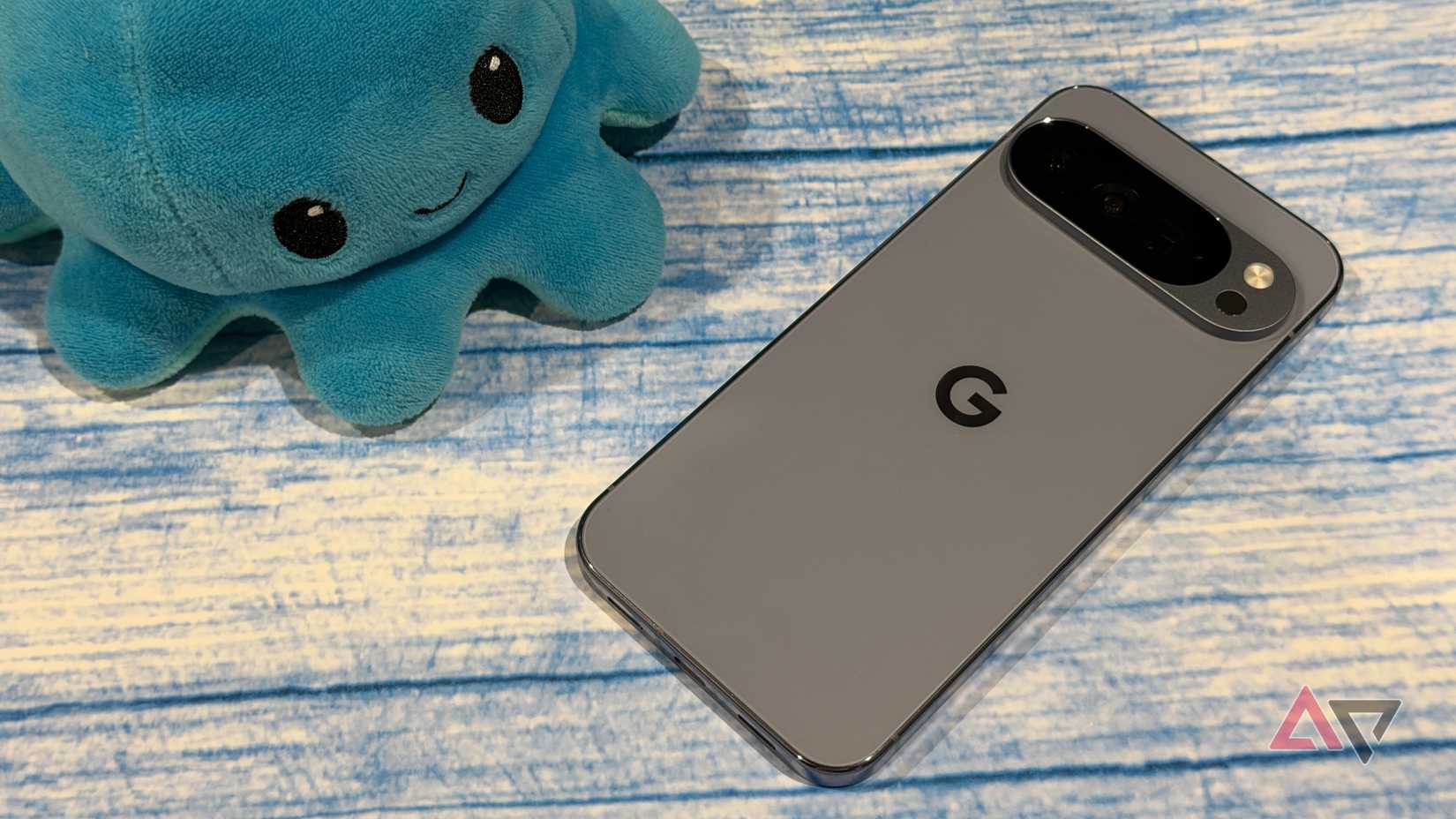
Despite its successes, Google is in a tough spot.
Apple just took its distinctive design, RAM prices are skyrocketing, and its AI features are still disappointing.
The Pixel 10a is shaping up to be underwhelming, and the Pixel 11 may offer a downgrade in the form of its Tensor G6 chip.
I doubt I’ll buy the Pixel 11, but I’m hoping that we see a notable step forward.
In the same Bloomberg interview, it was hinted that we can expect a major visual update for the Pixel 11 or the Pixel 12.
But visual updates aren’t enough. Google needs to double down on what it does well (that is, software) and fix some of our biggest gripes (again, software).
Google has shown that it can produce effective software for a foldable phone, but a flip phone is an entirely different device.
Google is making the right decision by focusing on its core products
A Pixel Flip would be interesting to see, but I don’t want more mediocre first-generation hardware from Google.
If I want the Pixel experience, I’ll stick with my Pixel 10 Pro. If I want a flip phone, I’ll switch to the Motorola Razr 2025.
I’m happy for Google to continue focusing on its core lineup, and if it continues to frustrate me, there’s always OnePlus.









