


I don’t spend my days complaining that smartphones are boring and uninspiring. It’s inaccurate, and the perception is driven by how difficult it is to release an objectively bad smartphone in 2026.
Is there a general lack of innovation in the US market? Absolutely, but consumers still have more quality choices than ever, across a wider range of price points.
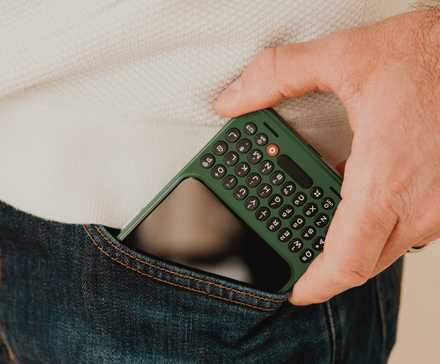
Still, there aren’t many devices I circle my calendar for anymore, but the NexPhone is one of them. It’s one of the most ambitious projects I’ve seen in a while, and, if successful, it’ll help usher in a new category of smartphones.
The NexPhone is a device I’ve waited years for, and it’ll give buyers more control over their phones. Here’s why.
Android is the least exciting part of the phone
A relatively stock Android experience is welcomed
On the outside, the NexPhone doesn’t seem that exciting. It’s a pretty generic-looking slab, and the spec sheet is nothing to write home about.
However, you should never judge a book by its cover, and the NexPhone hides some secrets under its relatively bland exterior.
I wouldn’t blame you if you’ve never heard of the Qualcomm QCM6490 chipset. Performance-wise, it’s similar to a Snapdragon 778G, which won’t turn many heads.
Still, that’s not the entire story, and the QCM6490 is an extended support chipset, meant for industrial and IoT applications.
It’s here for the long haul, which is critical to some of the features I’ll talk about later on.
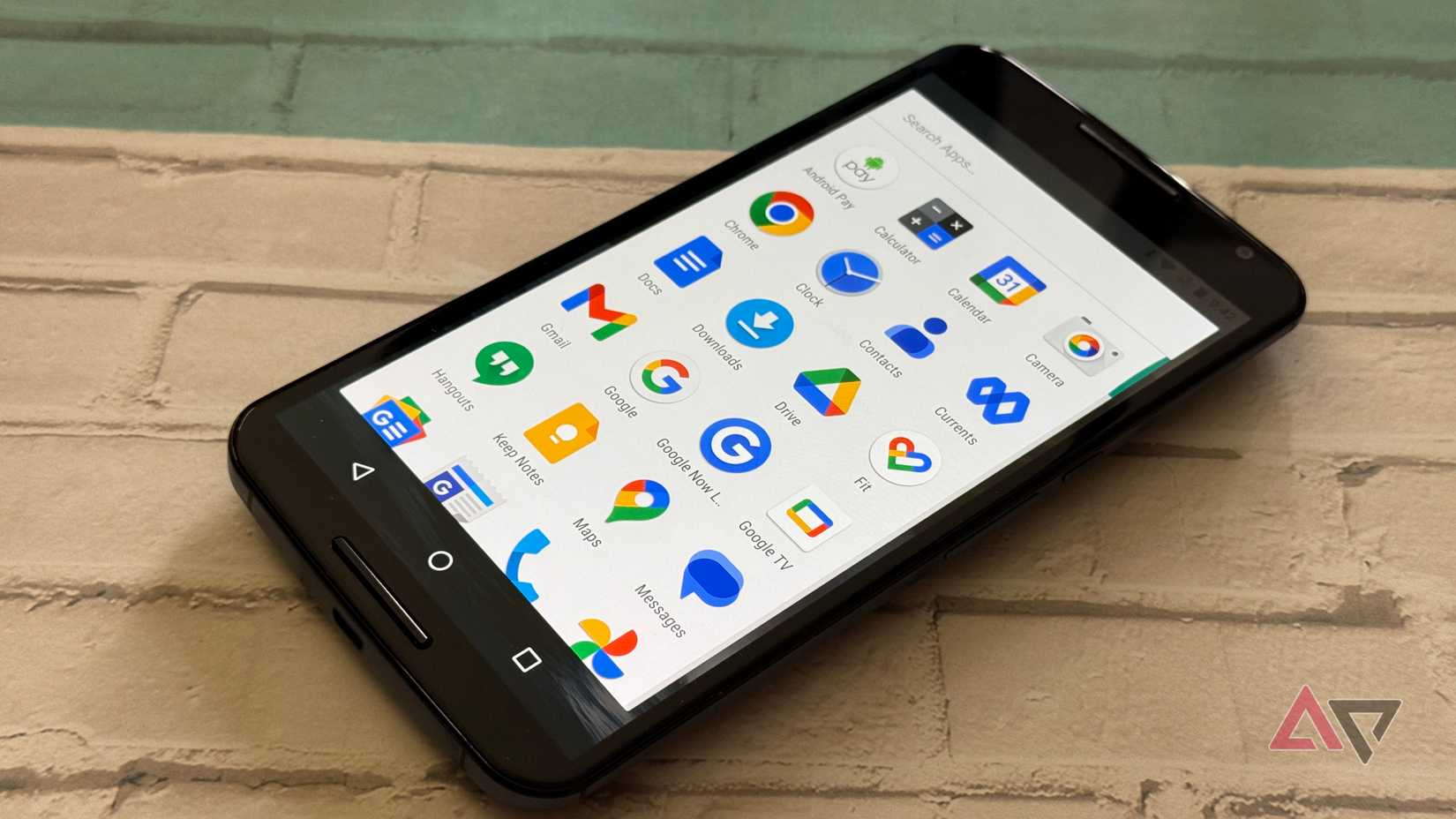
If you’re tired of AI and software bloat on your smartphone, the NexPhone is shaping up to be the device for you.
It’s expected to feature a near-stock Android version with an unlocked bootloader, giving you greater control over your phone.
While Android is an important piece of the puzzle on the NexPhone, it’s not what has me excited.
Linux comes to your smartphone in a meaningful way
Running as an Android app
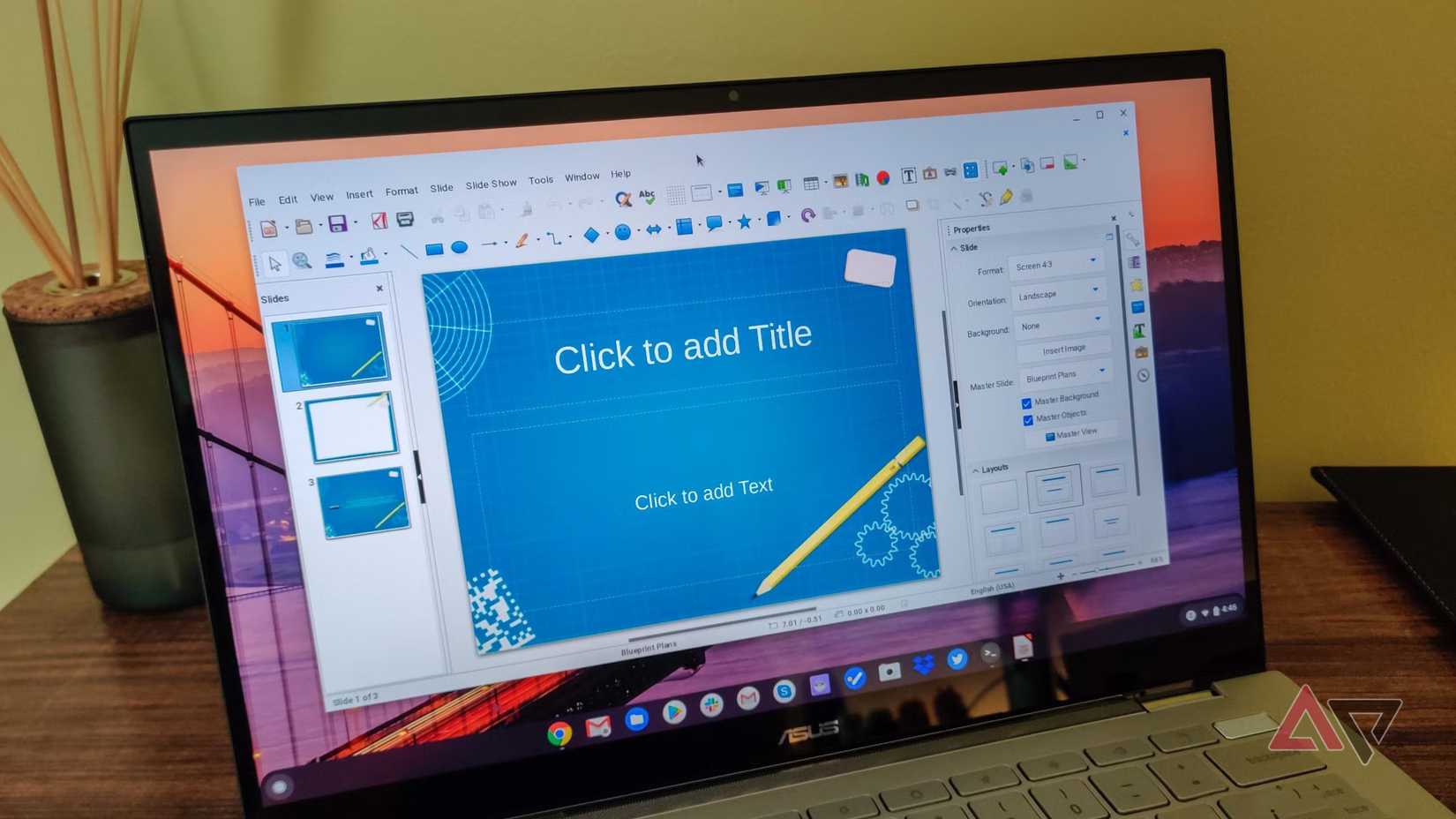
What sets the NexPhone apart from a typical smartphone is the addition of a Linux app that lets you run a full Linux distribution directly on Android.
According to NexPhone, the two systems will share the same folders, enabling seamless data transfer.
Getting a full Debian installation with hardware acceleration on my smartphone is an interesting idea. You can take advantage of open source apps and have a full-featured workstation with you on the go.
When connected to an external monitor, the NexPhone becomes a portable computer, whether using Linux or Android in desktop mode.
In theory, it could rival or surpass Samsung DeX, and I look forward to testing it.
Any device running Linux is going to give knowledgeable users more control, and the amount of options offered by NexPhone means you’re never boxed into one ecosystem — a significant selling point.
A Metro-inspired UI makes a glorious return
I still miss Windows Phone
The reason I can’t wait to get my hands on a NexPhone is a selfish one.
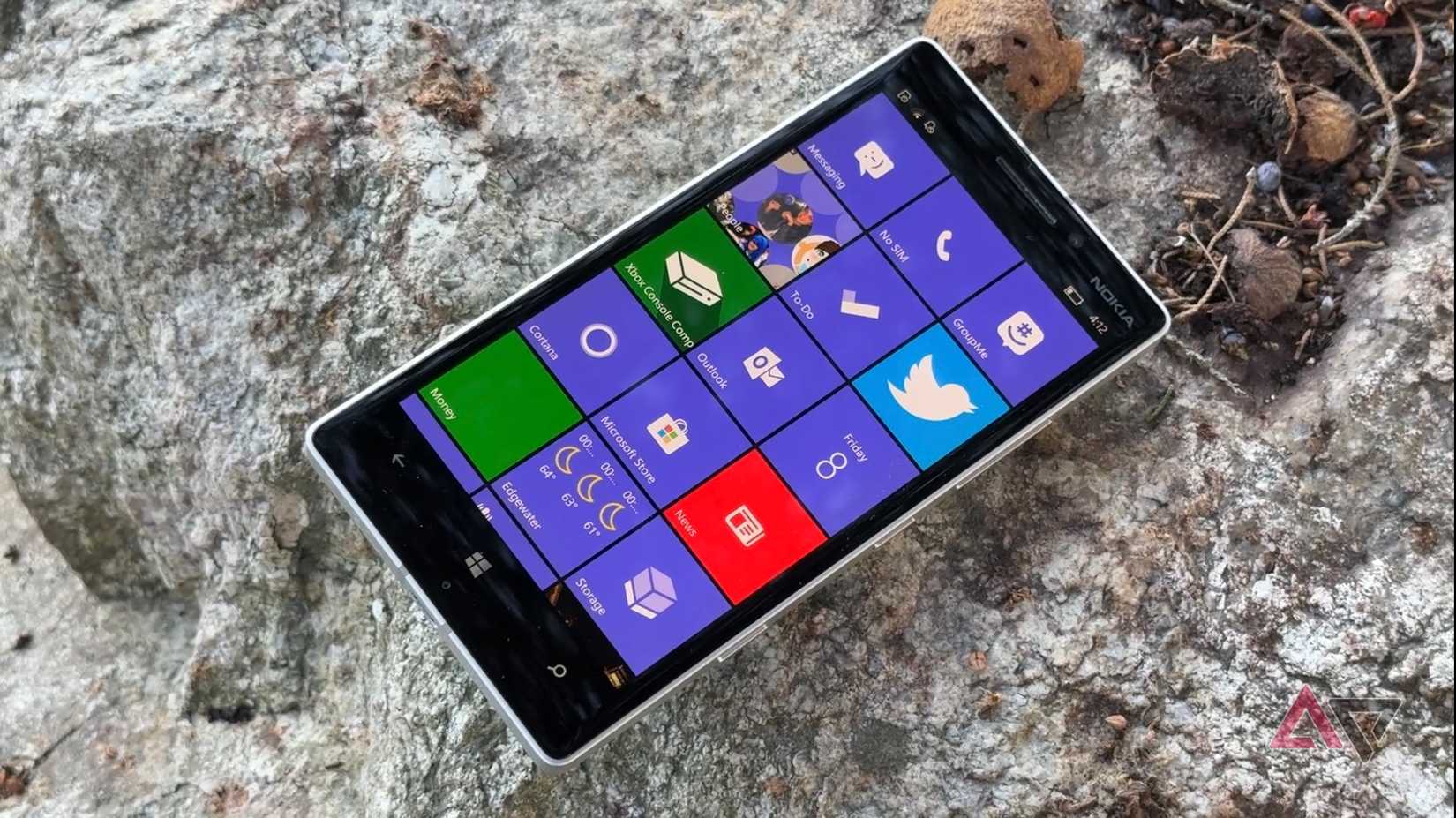
It’s no secret that I’ve mourned the loss of Windows Phone for years, and it’s stunning to me that no manufacturer picked up the mantle of Live Tiles.
If the NexPhone lives up to its promises, that may change. The company developed a Mobile UI skin that sits on top of a full Windows 11 on ARM install.
I mentioned earlier that extended chipset support is important, and Windows 11 compatibility is a key reason.
Just like with the Android and Linux portions of the phone, you can run the Windows 11 install on an external monitor.
While Linux and Android co-exist simultaneously on the NexPhone, you do need to restart to boot into Windows 11.
However, if the Metro-esque skin is any good, it’ll give buyers several ecosystem options on a single device.
I can’t remember seeing this level of versatility on a smartphone in years, and if the NexPhone delivers, it could easily be worth the $550 price of admission.
A microSD card slot allows you to bring many of your files with you, so you can sideload to your heart’s content.
Not a phone for everyone
As expected, the NexPhone isn’t going to be an easy recommendation for most buyers.
For starters, it’s an absolute brick in your pocket at 258g. It doesn’t include a top-of-the-line display or camera system, and the design leaves much to be desired.
There are many questions about thermals and how well Windows 11 will run on a midrange chipset.
However, if the NexPhone comes to market and fulfills the company’s promises, it’ll continue a trend I’ve seen in 2026.
Purpose-built devices are making a comeback, and not every phone has to appeal to every customer.
It won’t sell tens of millions, but for the right buyer, the NexPhone has the potential to be the perfect device.











