


Before you jump straight to the comments to tell me I’m an idiot wishing for the return of an objectively bad feature, I want to make one thing clear.
I’m not calling for the return of curved displays as Samsung popularized.
Instead, I’m looking back on a nearly-defunct feature and wondering, in an age of identical iPhone clones, should we look at our displays again?
Samsung, once the pioneer of curved-screen technology, has completely abandoned the idea.
Most companies that followed in its footsteps, like Honor, have also abandoned the design, with only Motorola remaining as a significant name producing phones with curved displays.
It’s clear that curved displays aren’t coming back anytime soon, but as every phone begins to resemble an iPhone, I think there’s a reasonable case for reconsidering curved displays and what we can learn from them.

Curved displays prioritized style over substance
They look futuristic, but is that worth the frustration?
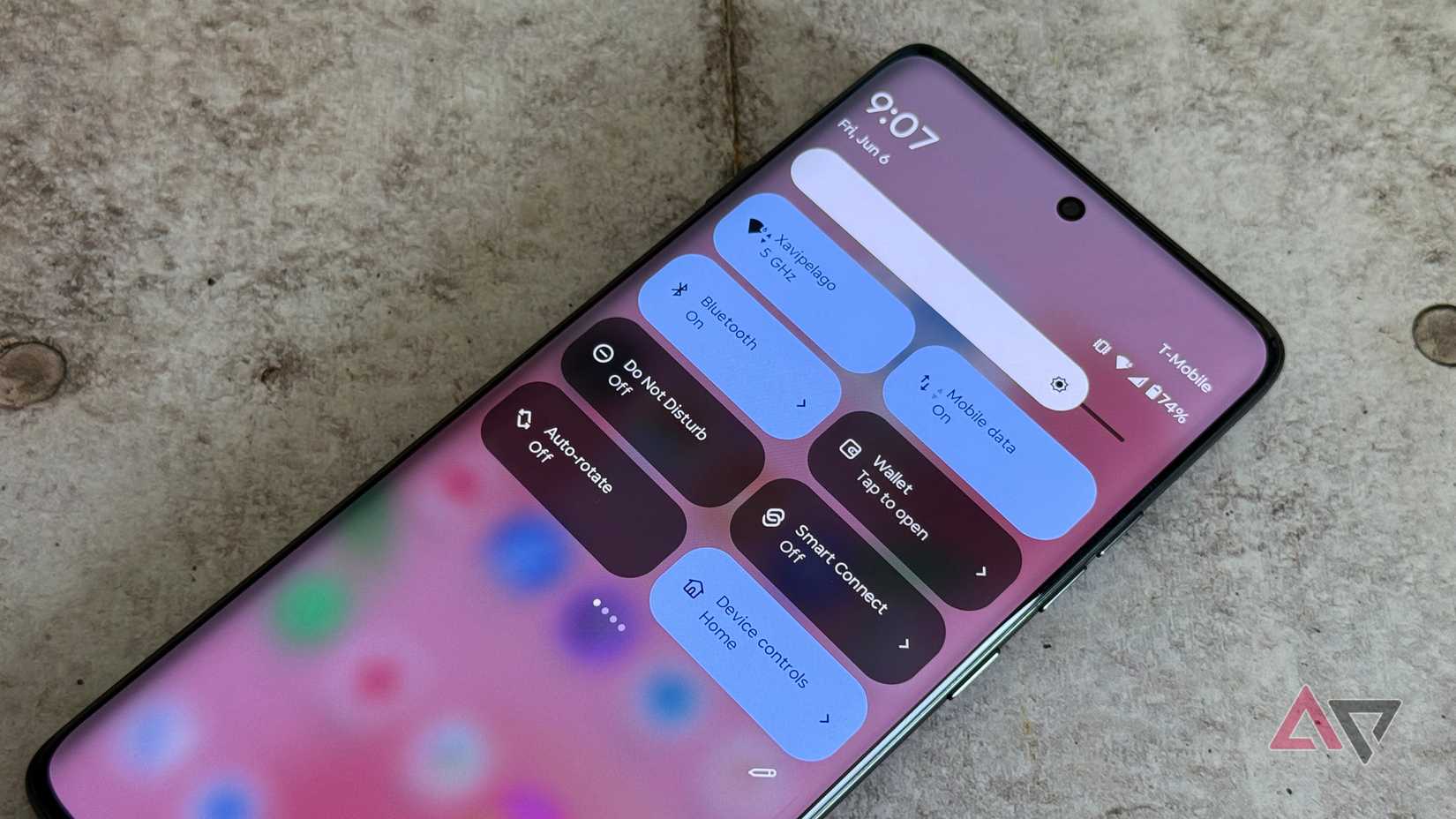
The first brand-new Android phone I bought after years of rustling up second-hand and refurbished phones was the Samsung Galaxy S7 Edge.
In 2016, phones with curved edges seemed like the next big thing, and I was sold on the stylish design that looked like it came straight from the future.
If you never used one, Samsung shipped a variety of features that made use of the curved edge.
Perhaps the most practical was the Edge feed, which displayed a tiny scrollable list of information and notifications when the screen was off.
There was also Edge lighting and an expanded Edge panels suite of apps.
The problem was that, after a few months of using the phone, irritation began to be my primary reaction to using the phone.
I had failed to install two screen protectors, the glare was unforgivable, and I had made more mistaken actions than I believed possible.
Sure, it looked cool, but was that really worth a gimmick that caused more problems than it solved?
If Samsung launched a new Edge phone (no, not like that), I would cheerfully expound about rose-tinted glasses and the perils of nostalgia.
However, the more I think about my old Galaxy S7, I begin to think that curved screens did have value, and should inspire a new generation of displays.
I’m sick of featureless glass slabs
I don’t want my phone to be boring
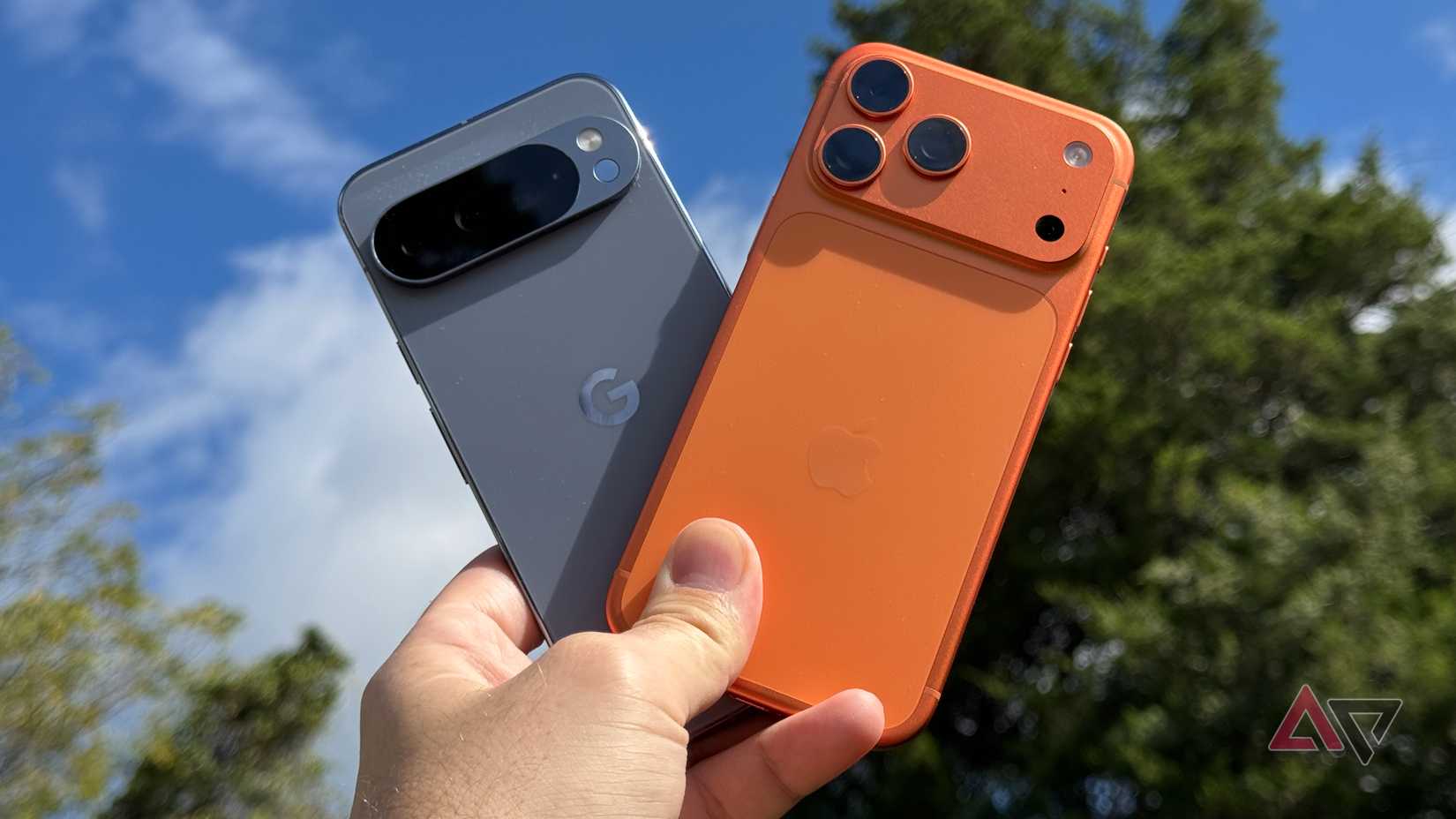
I don’t blame Android manufacturers for copying Apple, but I find the adoption of the square-sided slab design unforgivable.
This design peaked with the iPhone SE, but since then, it’s become a staple of, well, every phone.
I hate how the sides press into my palm, as even with a case, they are hard and unyielding.
Whether you agree with the following is entirely subjective, but I love holding a phone with a curved display. I’m not the only one, AP’s Stephen Radochia pointed out the excellent feel of the Motorola Edge 2024 thanks to its thin frame and curved display.
However, the Motorola Edge series suffers from the same poor responsiveness that plagued Samsung’s curved displays.
I’ve seen surprisingly few comments about accidental taps, so I assume it’s due to Motorola decreasing the sensitivity to avoid mistakes.
Overall, the Edge 2024 and 2025 show that a curved screen is still viable, but sticking to the same design we saw a decade ago isn’t the way to go.
I think curved screens can have a future, but they need to modernize.
What curved screens could look like in the future
Short curves? Improved software? Quirky features? It’s all possible
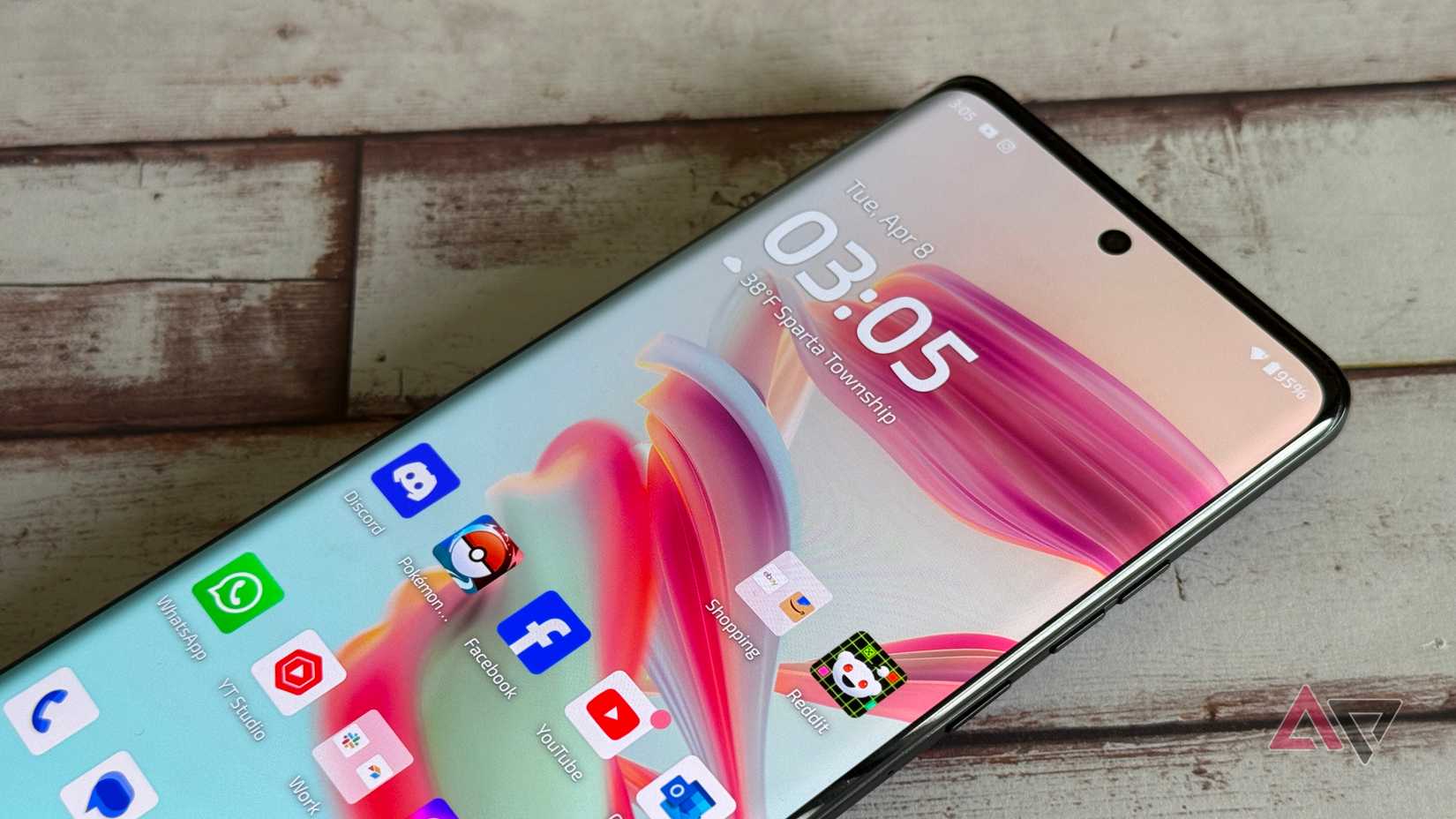
One of the ironic parts of the shift to slabs is that it creates more real estate on the sides of our phones that’s not needed.
My Pixel 10 Pro is the perfect size to adopt a headphone jack, and while it still has a SIM card slot, I think it’s doomed as more people adopt eSIMs.
I’m a practical chap, so when I see this much blank space on a phone, I think about how we could use it. Or, what if we didn’t use it at all?
The Android phone that sparked my enthusiasm for the topic was the Google Pixel 2 XL. This was the first phone that I thought of as more than a functional device; it was something to be enjoyed.
But when I think back on it, I remember its slim frame and curved edges that rested neatly in the hand.
I would love for the next Pixel phone to ditch the slab sides that aren’t needed and adopt the slim design of the Pixel 2. But that’s not enough. I want a curved display.
How about we ditch the SIM card slot and curve the screen over the top of the phone instead? No chance of mistakes, and it’s the perfect place to display a feed of information when you set down your phone.
Or let’s curve the display around the side like before, but utilize software smarts to identify the right taps.
Android does an excellent job compensating for screen protectors. Why can’t it adapt this for mistaken palm taps?
Mostly, though, I just want something interesting that makes the iPhone look old-fashioned.
Curved screens might not be the answer, but they could shake up the status quo
There’s a growing backlash against the standardization of our phones.
Currently, it’s taking the form of physical keyboards, which harken back to a day when phones were more tactile (which is a good thing, I think).
Glass slabs are out, unnecessary hardware is in. So why not take it further and modernize one of the biggest smartphone disappointments of the 2010s?
I’m not convinced that curved displays have a future, but I’m all for manufacturers trying to shake up the tedious designs that will otherwise mark the smartphones of the 2020s.










