


The Samsung Galaxy S26 and Google Pixel 11 are coming soon, each promising to be more “AI” than the last.
The tech press will soon flood the internet with unboxings, benchmark scores, and hyper-saturated thumbnails insisting this is the upgrade you’ve been waiting for.
But I’m not buying it. I’m writing this on a refurbished Samsung Galaxy S23 Ultra I bought for about as much as a mid-tier phone. And here’s the part no one wants to admit.
I can’t tell the difference between the S23 and S25 Ultra, and I probably won’t notice much change with the S26 Ultra either.
But when it comes to the fundamentals of using a smartphone—the screen I stare at for six hours a day, the camera I use to document my cat’s existential crises, the apps that run my life—the gap between 2023 and 2026 isn’t that big.
My pocket, however, felt the difference.
Screen is already sharper than you need
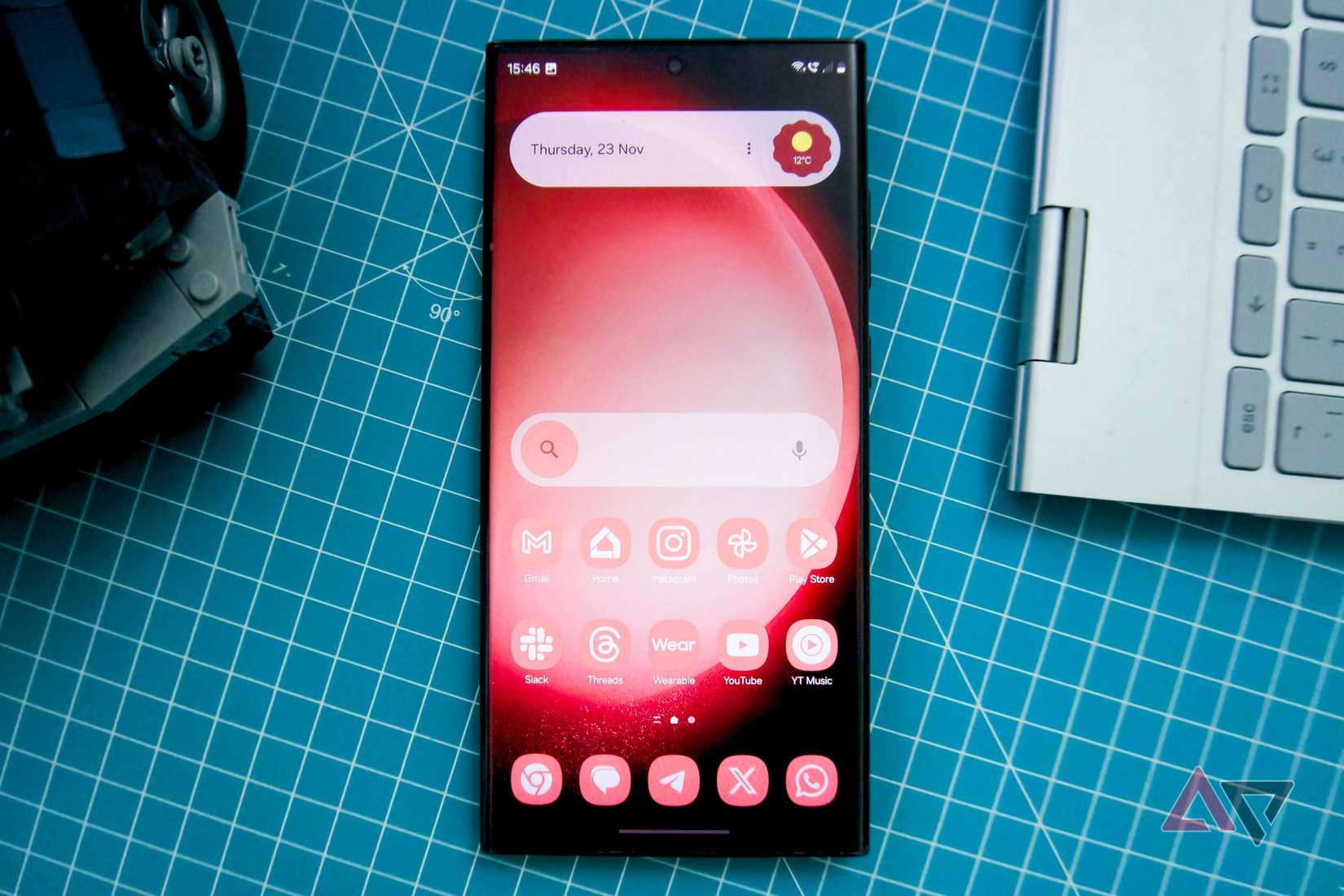
The Samsung Galaxy S23 Ultra launched with a 6.8-inch Dynamic AMOLED 2X display, a 1440 × 3088 resolution, roughly 500 pixels per inch, and an LTPO refresh rate that scales from 1Hz to 120Hz.
Fast-forward to 2026, and the Galaxy S26 Ultra is rumored to arrive with a 6.9-inch panel, with a slightly higher resolution of around 1440 x 3120 and the same 120Hz refresh rate.
With normal eyesight, people can only see so much detail at a typical phone viewing distance. The S23 Ultra’s screen is already sharper than most people can actually notice.
Brightness is probably where the S23 Ultra falls behind. The S26, which is expected to use M14 displays, will likely hit a peak of around 3,000 nits compared to 1,750 on the S23 Ultra, though that higher number only applies to HDR highlights.
I’ve never looked at my S23 Ultra and thought it needed to be brighter.
Benchmarks exaggerate real-world phone performance
Credit: Justin Duino / Lucas Gouveia / Android Police
The engine room is where the marketing noise gets loudest. “Snapdragon 8 Gen 5!” they shout. Leaks suggest it’s coming and promising “Elite performance!”
Mobile silicon has become so powerful that “Elite” performance gains are almost invisible except in niche scenarios like emulation or heavy video editing.
For real-world use, the S23 Ultra still opens apps instantly and handles games with ease. Don’t believe me? Look up the comparison videos between the S23 and last year’s S25 Ultra, and you’ll see what I mean.
The one spec that still matters is memory. With AI demanding more RAM, the 12GB version is the safer choice.
Blind tests show camera improvements aren’t obvious
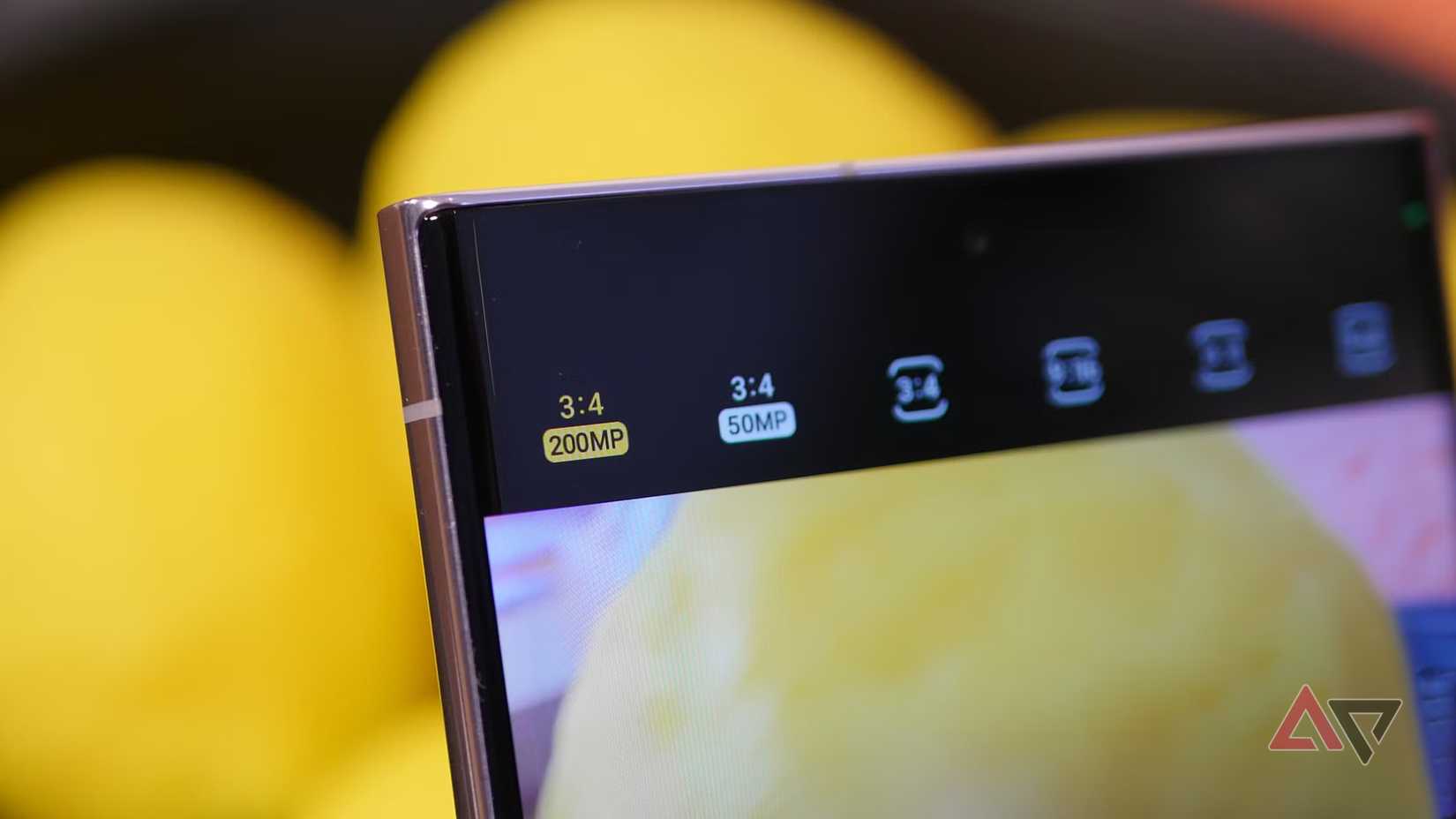
Cameras are another place where newer models usually shine. But even here, physics tells a different story.
The Galaxy S23 Ultra brought the ISOCELL HP2 sensor, a 1/1.3-inch sensor with 200 megapixels.
The S26 Ultra is expected to stick with an improved version of the same sensor format. Why? To fit a bigger sensor, you need a thicker lens assembly. The phone’s thickness, or Z-height, is the limiting factor right now.
That’s why, nowadays, the advances are often from software and not hardware.
In my blind testing with friends, showing them shots from the S23 Ultra and the S25 Ultra on a TV, nobody could consistently pick the newer phone.
You can find plenty of comparisons on YouTube and Reddit that back this up.
Smart way to save $1,000 on a flagship phone

If the tech side isn’t enough, the financial reality will get your attention.
Samsung reportedly wants to keep the Galaxy S26 Ultra starting at $1,300.
You can find a refurbished Galaxy S23 Ultra on marketplaces like Back Market, Swappa, and Amazon Renewed for $350 to $500.
What does the roughly $800 difference, battery replacement factored in, buy you?
As we established earlier, it buys you a screen that is theoretically better but visually identical indoors. It buys you a processor that is faster in benchmarks you will never run. It buys you the status of having the newest rectangle.
Is that really worth it? I don’t think so. The refurbished flagship is a cheat code, giving you premium features for a midrange price.
Surprising value of software updates on older phones
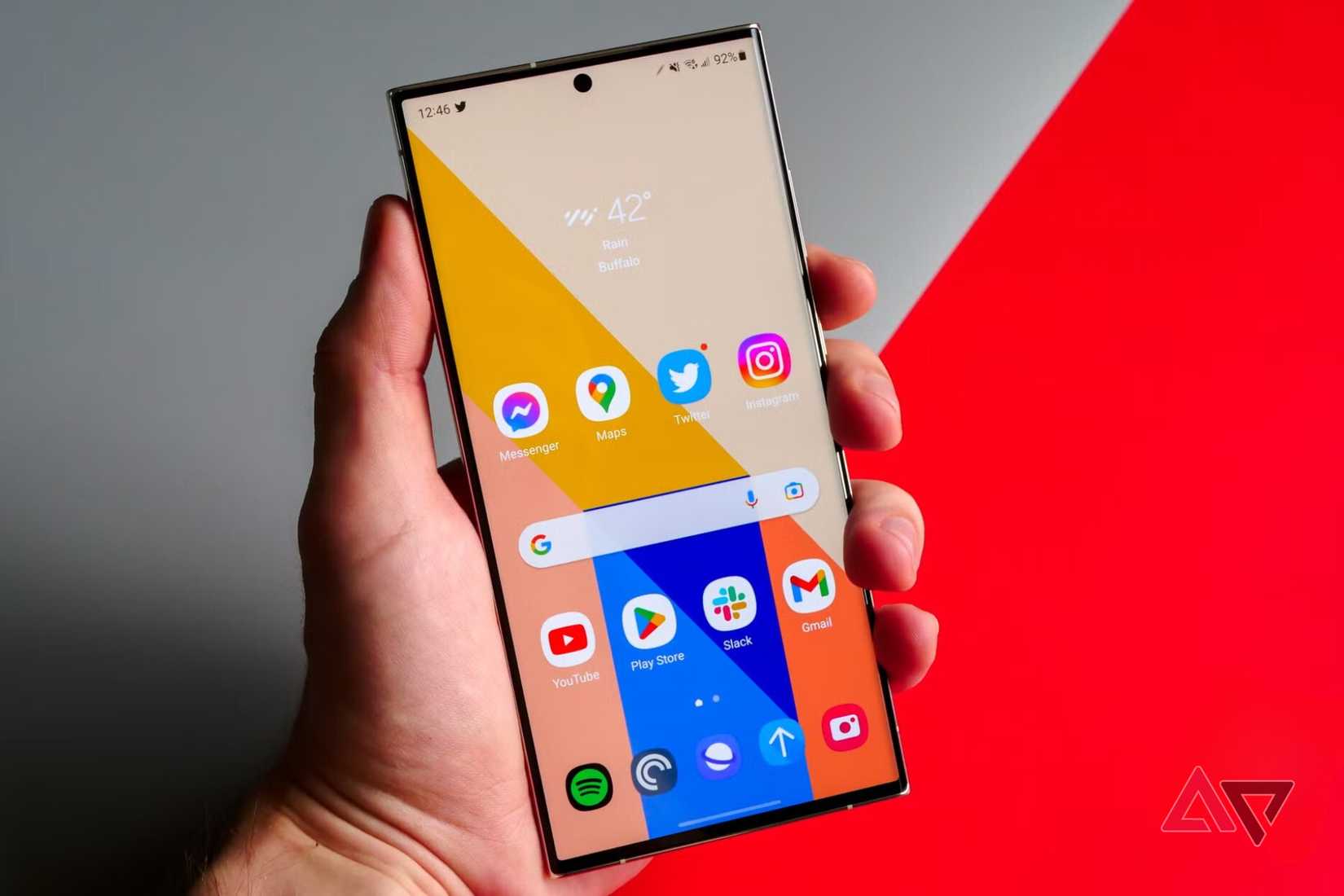
The Samsung Galaxy S23 Ultra launched in February 2023 with a promise of four years of OS updates and five years of security updates.
If you buy one today, you still have nearly a full year of official support and two years of security updates left. For a $400 device, that’s not ideal but acceptable.
Even after 2028, the phone won’t break. It’s enough to make calls, play games, take pictures, and more.
Unless a revolutionary update comes along, it’s perfectly fine. The only downside is you won’t get the latest UI or AI.
Sacrifices when buying a refurbished flagship
Buying a 2023 flagship comes with sacrifices, but they’re manageable and calculated.
Lithium-ion batteries degrade over time. After three years of daily use, an S23 Ultra’s battery health might drop to around 80%.
That could mean dropping from eight hours of screen time to about six. Is that an issue, knowing you can always have the battery replaced by a repair shop?
The AI gap is another consideration. Newer chips come with NPUs that handle AI tasks and complex language models entirely on-device. The S23 Ultra can’t run these locally.
Still, Samsung and Google have brought AI features to older phones through updates. Ultimately, it’s your call if these matter enough to be dealbreakers.
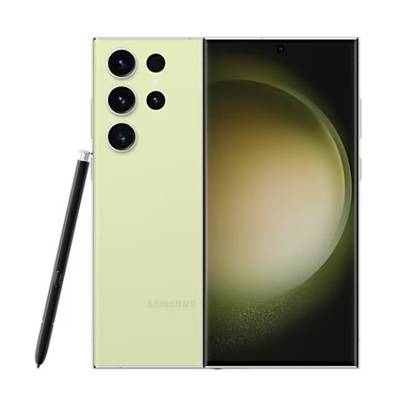
Samsung Galaxy S23 Ultra
$1380
Save $230
- Brand
-
Samsung
- SoC
-
Qualcomm Snapdragon 8 Gen 2 Mobile Platform for Galaxy
- Display
-
6.8″ QHD+ curved-edge AMOLED, 1~120Hz refresh, 240Hz touch sampling
- RAM
-
8GB or 12GB
- Storage
-
256GB, 512GB, or 1TB
If you’re looking for the best of the best out of Android in 2023, the Samsung Galaxy S23 Ultra is it. It’s the only one in the S23 lineup to feature the company’s flagship 200MP ISOCELL HP2 camera sensor, the only one with a 5,000mAh battery, and the only one to push the storage envelope up to 1TB. The Qualcomm Snapdragon 8 Gen 2 Mobile Platform for Galaxy should run fast and easily. Everything on that 6.8″ Dynamic AMOLED 2x display (the only one in the series with adaptive refresh rates between 1 and 120Hz) should look smooth and beautiful. And who can forget about all the note-taking features and the added convenience the S Pen brings? This is Samsung’s all-out effort for the Galaxy S nameplate.










