


I’ve been part of both the Android and Apple ecosystems for as long as I can remember.
I carry an iPhone 16 Pro and a Google Pixel 10 Pro every day, with each smartphone and its broader ecosystem offering its own set of advantages.
That said, one Apple product I always avoided was the AirPods Pro.
Spending that much on a pair of earbuds that I could easily lose never made sense to me, especially since I genuinely prefer the fit and overall form factor of the Pixel Buds Pro 2.
Late last year, however, I finally gave in.
I picked up the AirPods Pro 3 to see what Apple had been building, and three months later, I found several things it does noticeably better than both the Pixel Buds Pro and Samsung’s Galaxy Buds lineup.
Here are a few features I would like Samsung and Google to borrow for their next flagship earbuds.

Built-in heart rate tracking for when you forget your smartwatch
Perfect for those runs or workouts when you forget your fitness tracker
One of the standout features Apple introduced with the AirPods Pro 3 is the built-in heart rate sensor.
The earbuds include a dedicated heart rate sensor that tracks your heart rate during workouts and estimates calories burned. It even supports metrics like steps and distance.
When enabled, the sensor emits light to measure blood flow through the ear canal and shares that data with the iPhone’s Fitness app.
Apple even claims the ear is actually a better location than the wrist for tracking heart rate, as blood flow tends to be more stable there.
Still, workout tracking primarily relies on a smartwatch or a Whoop when you have one on your wrist.
That said, for occasions when you forget to wear your tracker, this feature is genuinely useful.
And after using it for a few gym workouts and runs over the past couple of weeks, I am surprised by how convenient it is.
I often forget to take my smartwatch off the charger, and in those moments, the AirPods Pro 3 serves as a reliable fallback.
I’d love to see Samsung and Google bring this feature to their next flagship earbuds.
With both companies offering ecosystem-focused smartwatches, such as the Pixel Watch 4 and Galaxy Watch 8, it could work especially well if fitness apps intelligently combine data from both devices when available.
After phones, magnetic wireless charging should be standard on earbuds
Snapping into place makes wireless charging these earbuds far easier
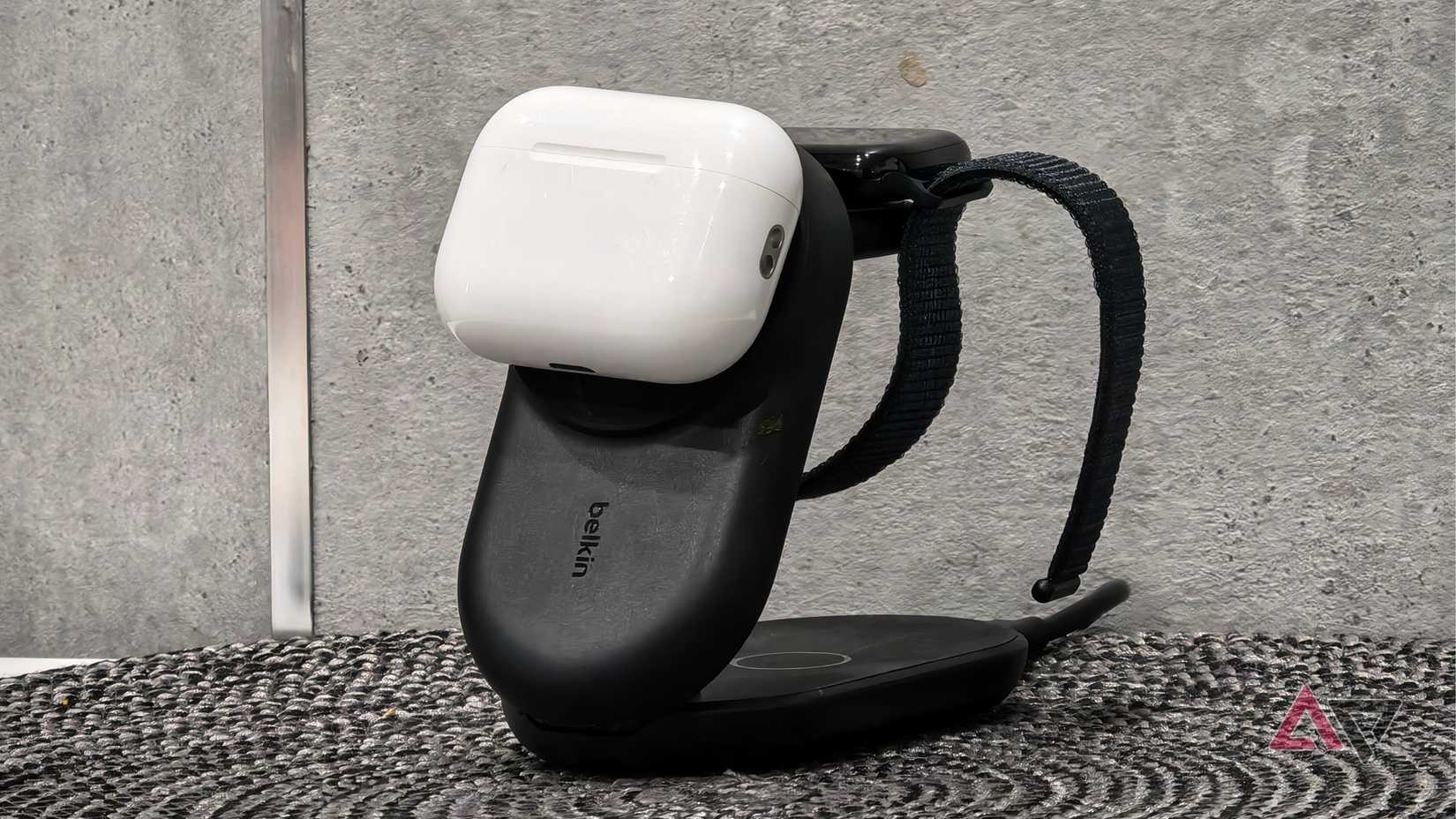
Qi2 and MagSafe-style charging are becoming more common on smartphones.
Google already supports it on the Pixel 10 series, and Samsung is also expected to integrate it into the upcoming Galaxy S26 lineup.
Apple, on the other hand, extends MagSafe charging convenience even to the AirPods Pro 3.
While most flagship earbuds, including the Pixel Buds Pro 2 and Galaxy Buds 3 Pro, support wireless charging, they lack magnetic alignment.
After using the AirPods Pro 3 with MagSafe charging, I can safely say this approach is far more reliable than standard wireless charging.
The AirPods Pro 3 snap into place the moment you set them on the charging pad and stay perfectly aligned throughout charging, thanks to the magnets.
I have lost count of the times my Pixel Buds Pro 2 appeared to be charging on a wireless pad, only to realize later they were misaligned and not charging at all.
That isn’t something I have experienced with the AirPods Pro 3, and it’s a feature I genuinely hope both Samsung and Google bring to their future earbuds.
Find My support with precision finding
Locating the AirPods Pro 3 is fast and easier than other earbuds
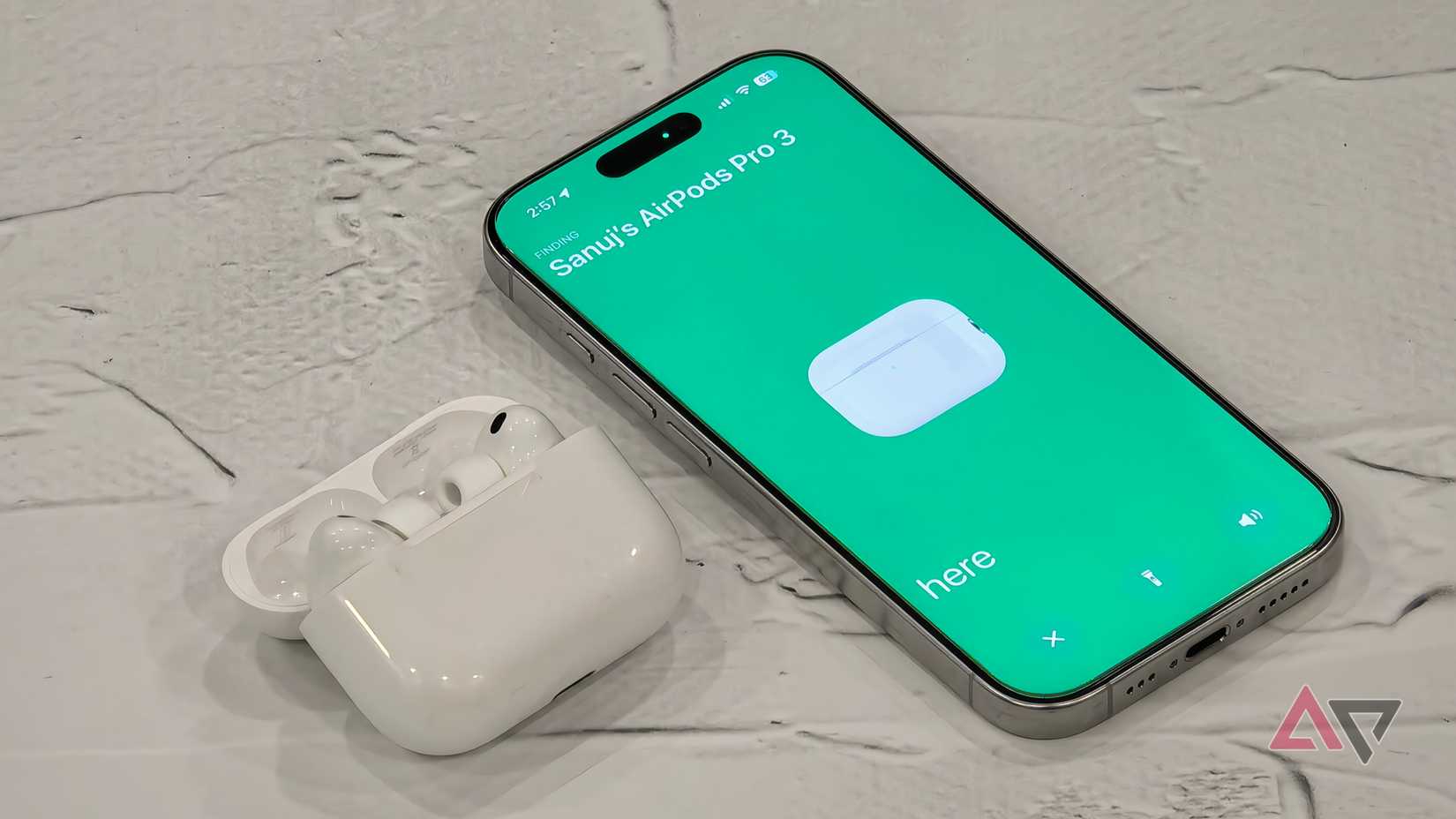
Thankfully, both Google and Samsung now offer Find My support for their earbuds.
You can locate the Pixel Buds Pro 2 using the Find Hub app on Android, while Samsung’s Galaxy Buds Pro 3 works with the SmartThings Find app.
That said, the experience is still not very convenient. While you can view the general location and ring the earbuds from the app, you cannot pinpoint their exact position the way AirPods do.
The app may tell you the earbuds are inside your home, but it does not show precisely where they are.
The AirPods Pro 3 support precision Find My tracking using ultra-wideband. With UWB on the iPhone and earbuds, the phone can guide you to the exact location down to the last meter.
It even shows direction and placement in the app, which is especially helpful when the earbuds are hidden under something like a pile of clothes.
It’s frustrating that Google and Samsung do not offer a similar feature on their earbuds, especially since their flagship phones already support UWB.
While the limitation likely stems from the lack of UWB hardware in the earbuds themselves, it’s something both companies could address in their upcoming flagship earbuds.
Adaptive EQ that adjusts audio exactly how you like it
Listening to music as you like it, not the brand making those earbuds
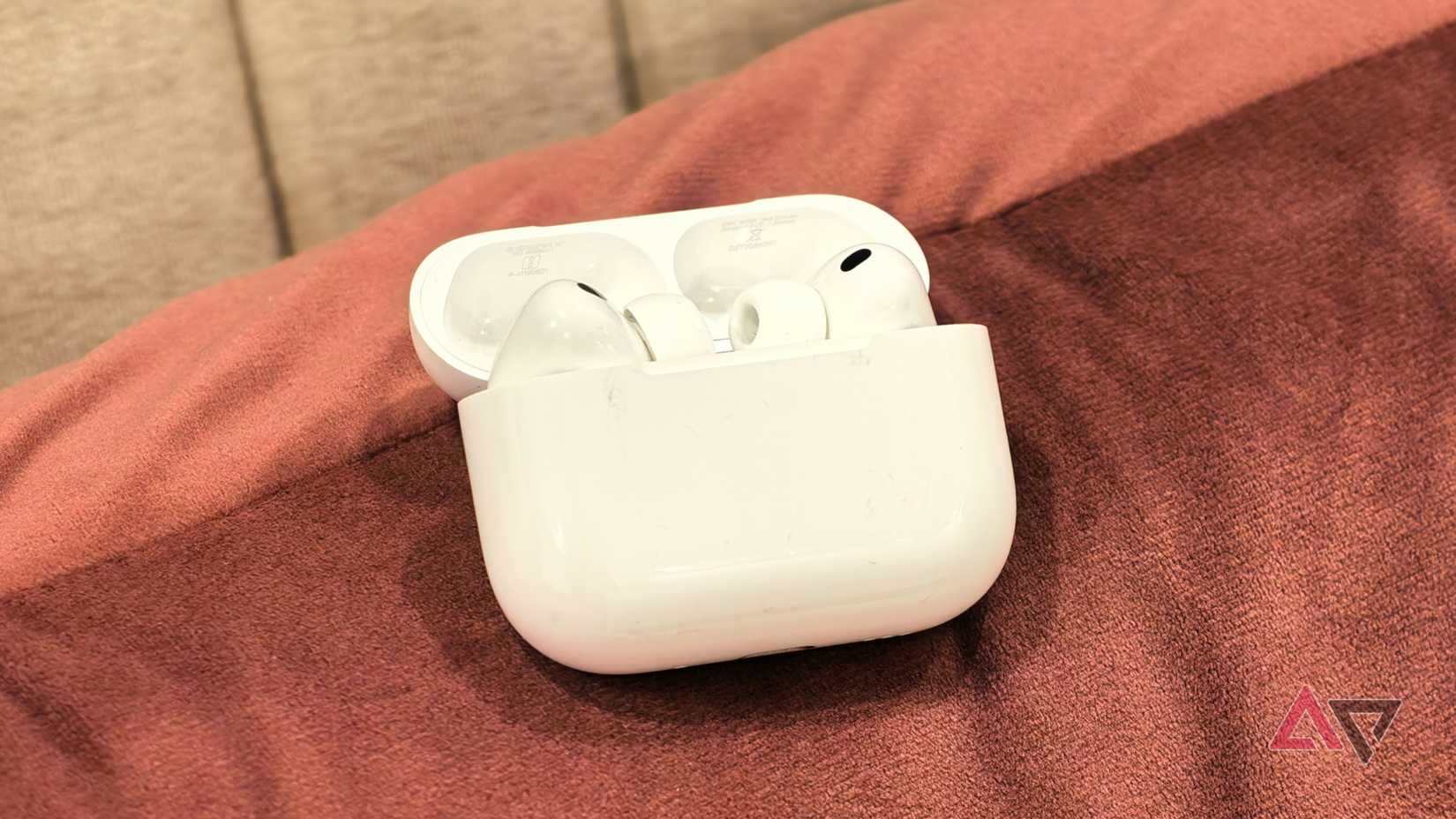
While most pro-tier earbuds include built-in equalizers, the AirPods Pro 3 stand out because of how Adaptive EQ works.
It uses an inward-facing microphone to analyze sound after it travels through your ear canal to adjust low- and mid-frequencies based on the exact fit and seal at that moment.
Samsung’s Galaxy Buds 3 Pro offer a similar capability, but Google’s Pixel Buds Pro lineup still lacks an Adaptive EQ-style feature.
Google instead offers Adaptive Audio, which adjusts noise control based on your surroundings and relies on Silent Seal 2.0 for fit and ANC performance.
However, there is no true Adaptive EQ equivalent, and it’s something I would like to see Google experiment with in future Pixel Buds.
Ability to work as clinical-grade hearing aids
This accessibility feature is genuinely useful
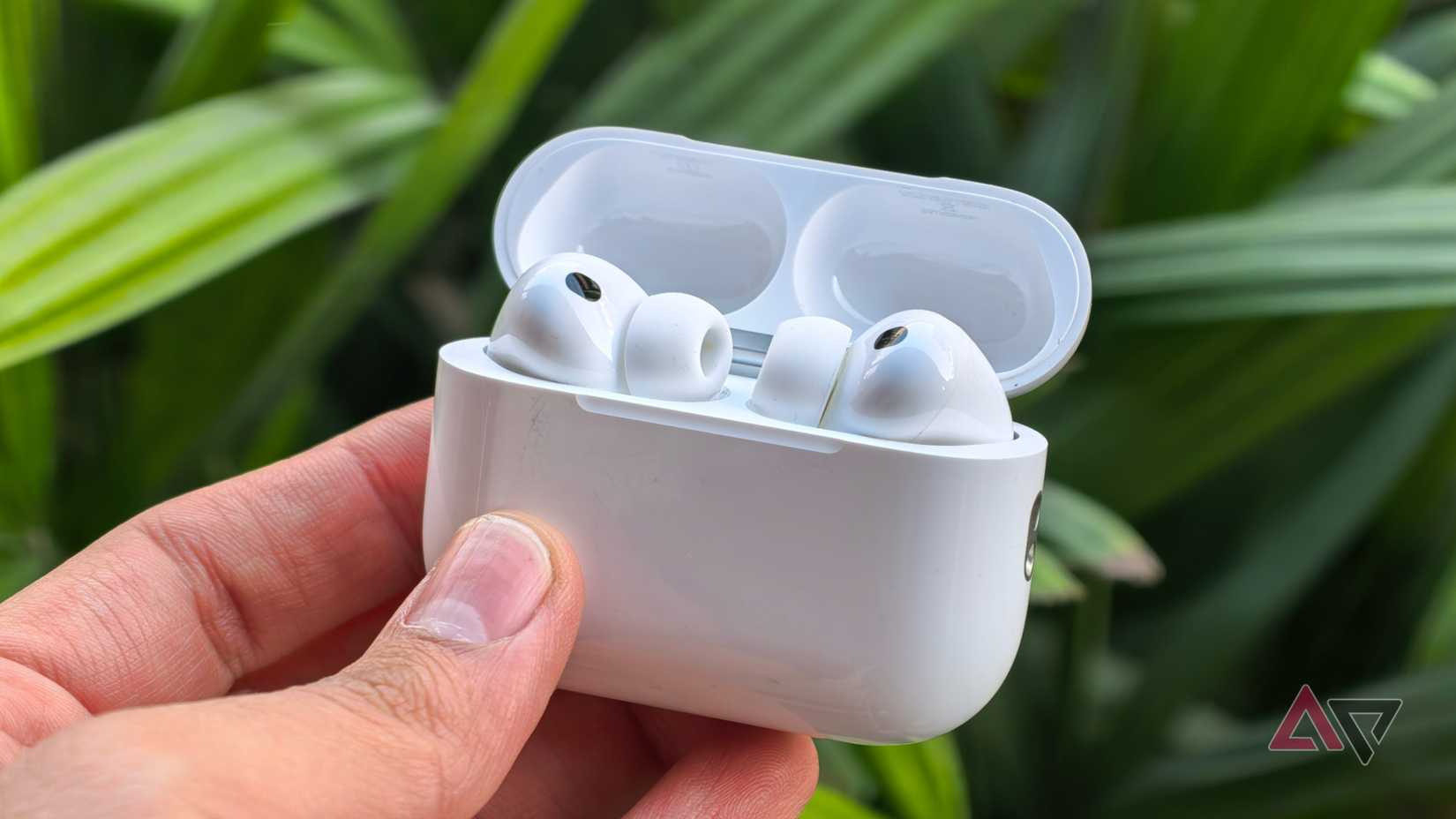
One feature that truly sets the AirPods Pro 3 apart from most Android earbuds is their ability to function as a hearing aid.
AirPods Pro 3 are FDA-cleared, which means users with mild to moderate hearing loss can use them as a hearing aid.
After you take the hearing test on your iPhone, the AirPods Pro use your personalized audiogram to boost the specific frequencies you struggle to hear.
This is a genuinely unique feature that no Android earbud maker currently offers, and I can easily see it being useful for someone like my grandad.
While this isn’t entirely new, as the AirPods Pro 2 also support this feature, it does have strong potential, and I would love to see Google and Samsung bring something similar to their own earbuds.
They are expensive, but AirPods Pro justify it with genuinely useful features
Apple’s AirPods Pro 3 are undeniably expensive, but over the past few months, they have made me realize they offer several features that most competing earbuds still miss.
Sure, Google has introduced features like head-tracking gestures on the Pixel Buds, but I would like to see the company compete with the very best across every aspect of the experience.
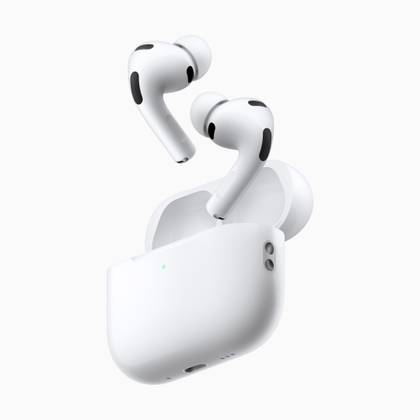
Apple AirPods Pro 3
$249
Save $10
- Battery Life
-
Up to 8 hours
- Charging type
-
USB-C
- Noise Cancellation
-
Active Noise Cancellation
- Wired/Wireless
-
Wireless
The Apple AirPods Pro 3 feature custom high-excursion drivers, an H2 chip, an IP57 rating, and heart rate sensors for workout tracking. They offer 2x improved ANC over the AirPods Pro 2 and up to 8 hours of battery life with ANC enabled.










