


The Samsung Galaxy Z TriFold, announced on December 2, sold out within minutes at all locations when it launched on December 12.
Samsung hasn’t announced how many units were sold, but when the device (available in one color and storage option) was priced at KRW3,590,500 ($2,400), you can bet that Samsung is pleased that it didn’t flop.
But neither did I expect it to. In an age where smartphone development can be generously described as languid, I expected the device to sell out solely thanks to its colossal 10-inch display.
However, I’m not expecting a universally positive reaction when the device hits the US market.
While we’ve seen the device in action through hands-on demos in stores, we’ll have to wait until we have the device in hand before we can make a judgment.
But ahead of this, I want to take a retrospective look at the company’s original foldable.
What did Samsung get wrong with its original foldable, and has it set itself up for success with the Galaxy Z TriFold?
Samsung’s come a long way since the original Z Fold
Foldable phones are now as good as they can be
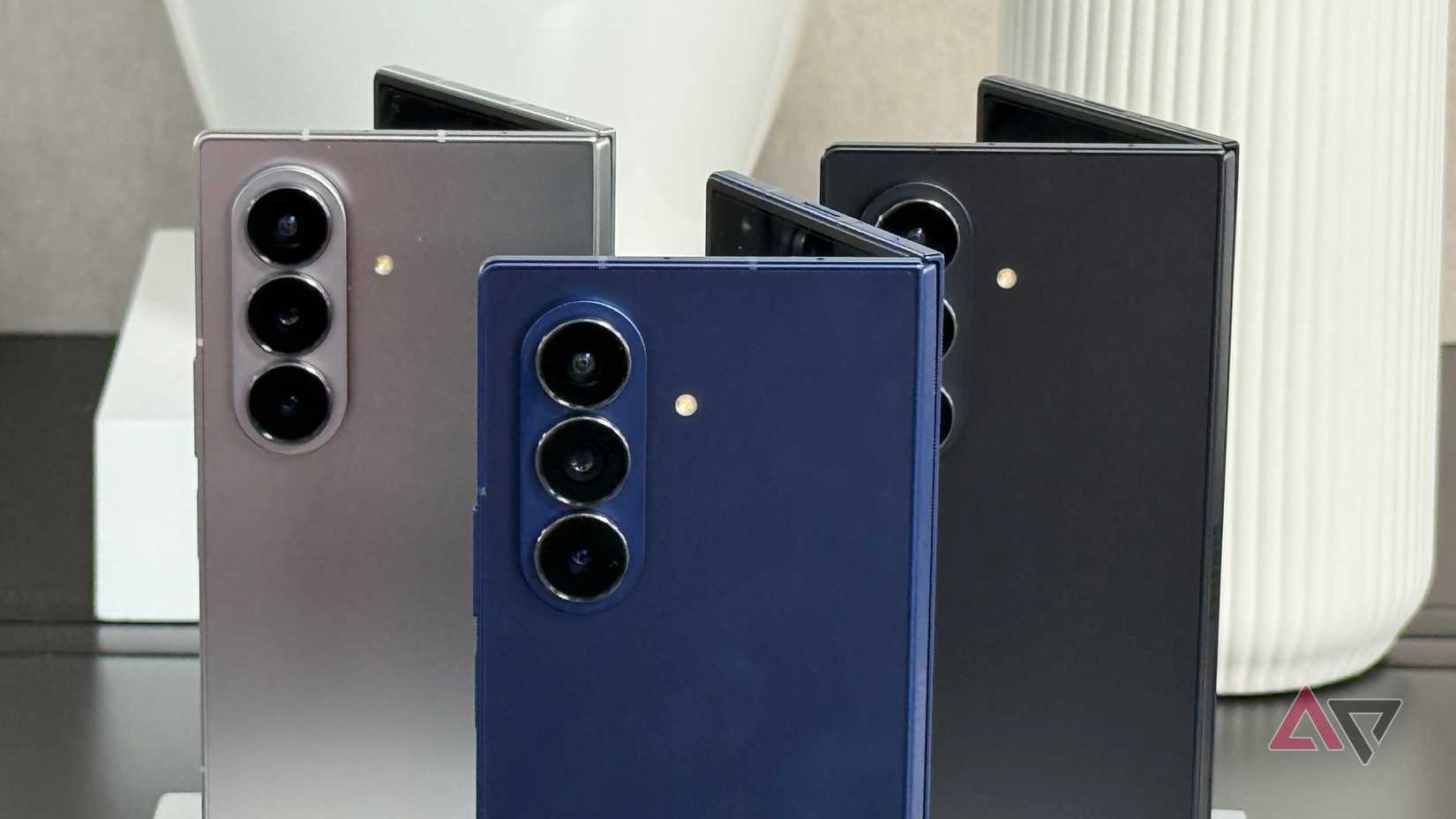
Unfortunately, Android Police wasn’t able to review the original Galaxy Z Fold, but the Galaxy Z Fold 2 is a better example to judge Samsung’s progress with foldables, regardless.
While the original Z Fold was plagued with defects and bizarre design choices (remember the giant notch in the corner?), the Galaxy Z Fold 2 set the tone for all subsequent products.
Our 2020 review of the Galaxy Z Fold 2 revealed some distinct drawbacks of the design. These included:
- The outermost surface of the inner screen was an easily damaged polymer.
- Noticeable crease under the finger.
- The 6.2-inch outer display is difficult to use.
- Worse cameras than phones that are half the price.
- No IP rating.
- Unintuitive software.
Five generations later, the Galaxy Fold 7 stands as the undisputed pinnacle of Samsung’s foldable achievements.
The inner screen is still far more prone to scratches than the outer display, but Samsung’s Ultra-Thin Glass (UTG) technology ensures the folding display can last 10 years of standard use, and removes the crease as a bonus.
Speaking of durability, the Z Fold 7 boasts an IP48 rating.
The Galaxy Z Fold 7 is also shorter and wider. The 6.0-inch outer display is much easier to use than the narrow 6.2-inch display of the Z Fold 2, and multitasking is more comfortable thanks to the phone’s 8-inch foldable display.
The camera on the Z Fold 7 doesn’t feel like a downgrade compared to the Galaxy S26 Ultra, although it doesn’t come with an ultrawide option.

Samsung has also drastically improved the software experience.
While OnePlus arguably offers the best multitasking experience with Open Canvas, Samsung has packed the Z Fold 7 with software tricks designed to make the most of the screen’s real estate.
In short, with the Galaxy Z Fold 7, Samsung has addressed all of our major complaints about the Z Fold 2. If you want a foldable Samsung phone, now is the best time to buy one, or is it?
Galaxy Z TriFold has the best features of the Z Fold 7, and more
Build quality is the least of my concerns
Credit: Samsung
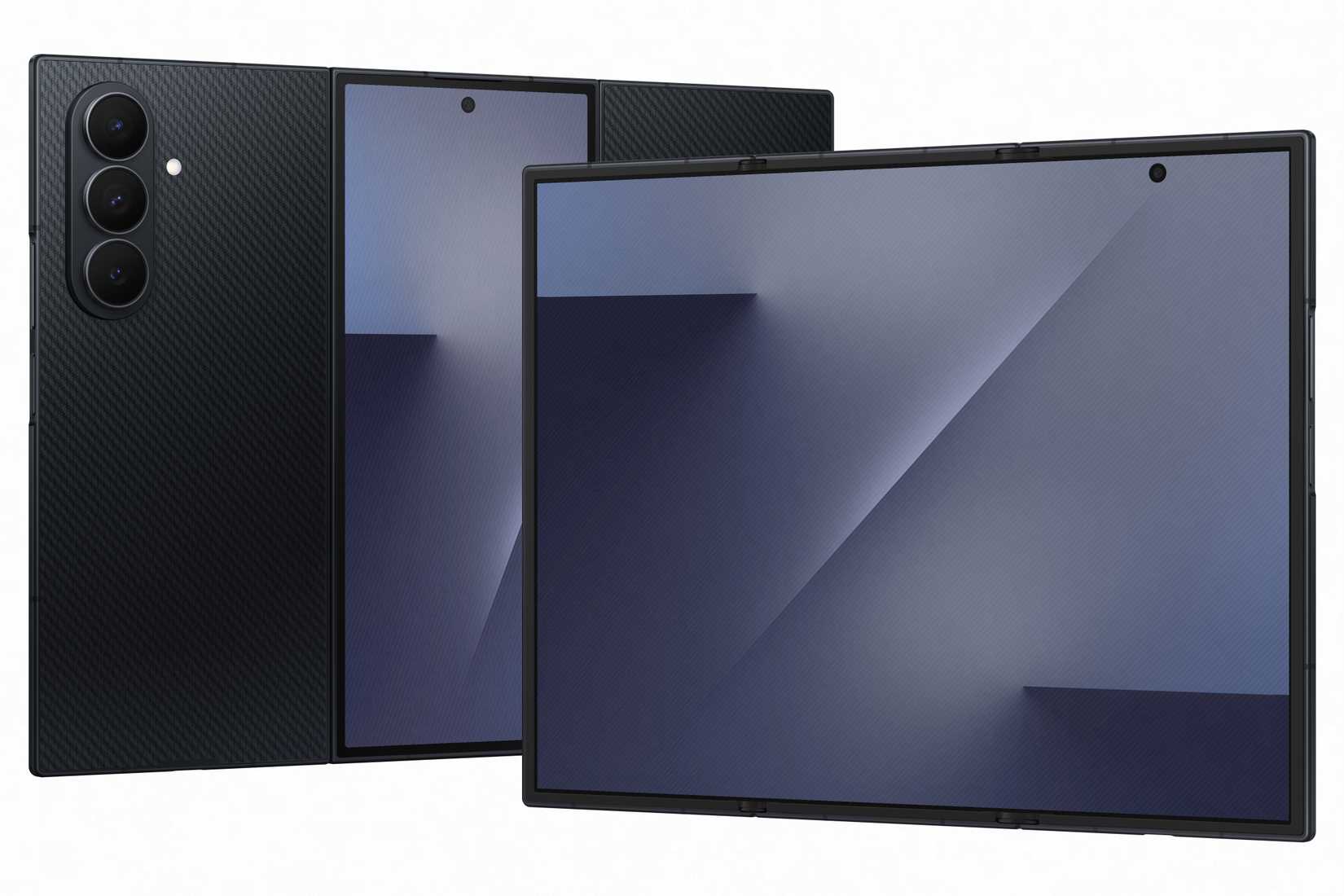
If the Galaxy Z TriFold is priced the same as the Galaxy Z Fold 7 in the US, we can expect it to retail for roughly $2,900.
We’ve seen the Galaxy Z TriFold in the wild, and from secondhand accounts, it’s clear that all the lessons it learned since the original Z Fold have made their way to the Z TriFold.
Samsung has tested the display up to 200,000 folds, and it has included new durability improvements, including a new bonding and pressing process to make the overall device thinner and stronger.
On the software side, the Z TriFold is the first Samsung phone to include standalone Samsung DeX, so you can use it with a mouse and a keyboard without connecting it to an external display.
In short, Samsung isn’t taking any half-measures with the Z TriFold. All the innovation appears to be centered around the phone’s durability and build quality, rather than quirky new design features.
If you’re worried about a repeat of the original Galaxy Z Fold, you can leave these concerns at home.
However, you’ll want to handle it carefully regardless, as damaging the phone can lead to an expensive repair.
The biggest problem with the Z TriFold is likely to be one that Samsung can’t fix
It pays to be skeptical about first-gen hardware, but I doubt we will see many major problems with the Z TriFold’s build quality and software when we have it in for review.
However, it’s clear without touching the phone what the biggest problem will probably be.
Unlike the Huawei Mate XT’s accordion design, the Samsung Galaxy Z TriFold’s edge displays both folds inward.
This differentiates it from Huawei’s trifold phone, but the consequence is that you cannot use the Galaxy Z TriFold like a book-style foldable; if you close one section, the folding display shuts down.
This lack of versatility could be a serious problem. But overall, I’m glad to see that Samsung isn’t relying on quirky hardware to sell the Z TriFold.
It looks to be a seriously impressive device, even if I’m unsure whether paying half my yearly rent for a smartphone is a good idea.










