


The Google Pixel 10 series has made the last few months anything but boring.
Every time I write something in support of Google’s vision, it’s met with a significant amount of backlash from enthusiasts.
The company is far from perfect, but it keeps hitting the right notes for buyers — and the latest November Pixel feature drop is the best example yet.
I know quite a few Pixel 10 owners, and while not a single one of them mentioned gaming performance or benchmarks, each came up to me to say how cool it was that Quick Share now works with Apple’s AirDrop.
It makes sharing images and videos with friends easier, and it works well. It helps bridge the gap, making Android seem less daunting to iOS users looking to switch.
Google’s strategy is working — here’s why.

Smaller features move the needle
Quick Share makes a difference for users
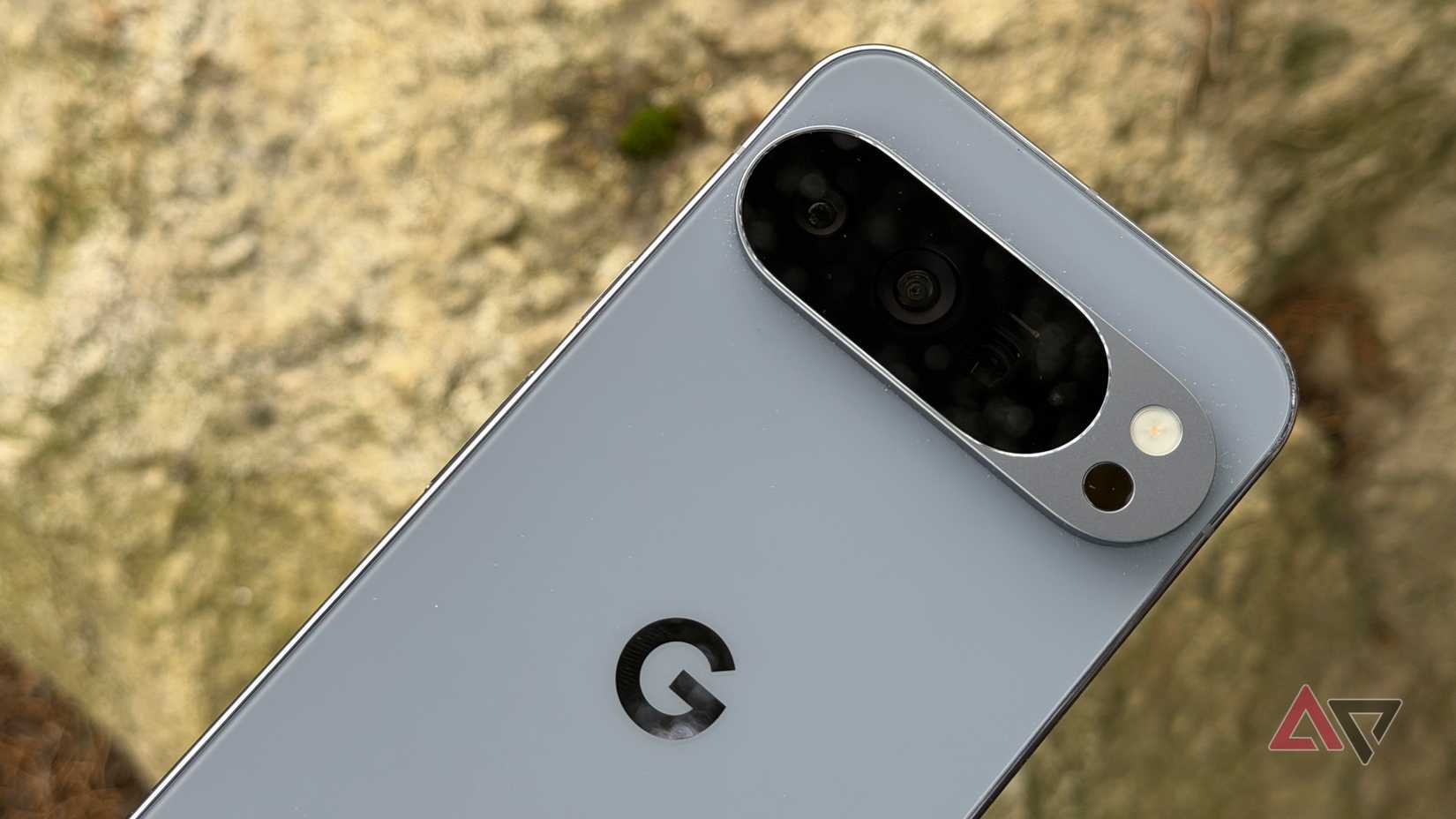
It’s not a feature meant to excite enthusiasts, but when you think about who Google is targeting with the Pixel 10, Quick Share makes sense.
I can only offer anecdotal examples and my own analysis.
Still, people were most excited about being able to share photos and videos easily with a spouse or significant other who has an iPhone.
One person has two phones, with the Pixel 10 as a work phone. They loved using Quick Share without having to mess with Google Drive or any other method for sending items back and forth.
When you review smartphones for a living, it’s important to keep perspective. It’s easy to get wrapped up in the features we think are vital to users, but with the Pixel 10, conventional specs haven’t mattered.
I would say I’m surprised, but we’ve seen it for almost 20 years with the iPhone.
Android users love to jump up and down and highlight how Android flagship devices are technically superior to the top iPhone of the day, but buyers never seem to care.
Google is recreating that effect, albeit on a much smaller scale.
Quick Share joins a much bigger picture
Google has set up the rest of the Pixel 10 to entice iOS users

AirDrop compatibility for Quick Share on the Pixel 10 joins a long list of items Google has added to lure Apple users away.
Even if you aren’t swayed by Google Gemini features, Material 3 Expressive is excellent.
Android 16 on the Pixel 10 is the best software experience I’ve had this year, and that adds value.
Software is often overlooked when comparing phones because it’s intangible. You can’t line up a spreadsheet and compare One UI 8 and Material 3 Expressive because it’s subjective and based on personal preference.
However, Google has done an excellent job of creating a friendly environment for new users.
The phones aren’t the most exciting to look at, but they’re unoffensive and compare favorably to iPhones on carrier store shelves.
The Pixel 10 Pro is a compact, relatively compromise-free option that mirrors what Apple has done with the iPhone 17 Pro.
It’s easier than ever for iPhone users to switch to Android, and Quick Share’s AirDrop compatibility is another way for Apple users to get comfortable interacting with Android devices.
Sales show it’s working
After several missteps, Google has found a place for the Pixel
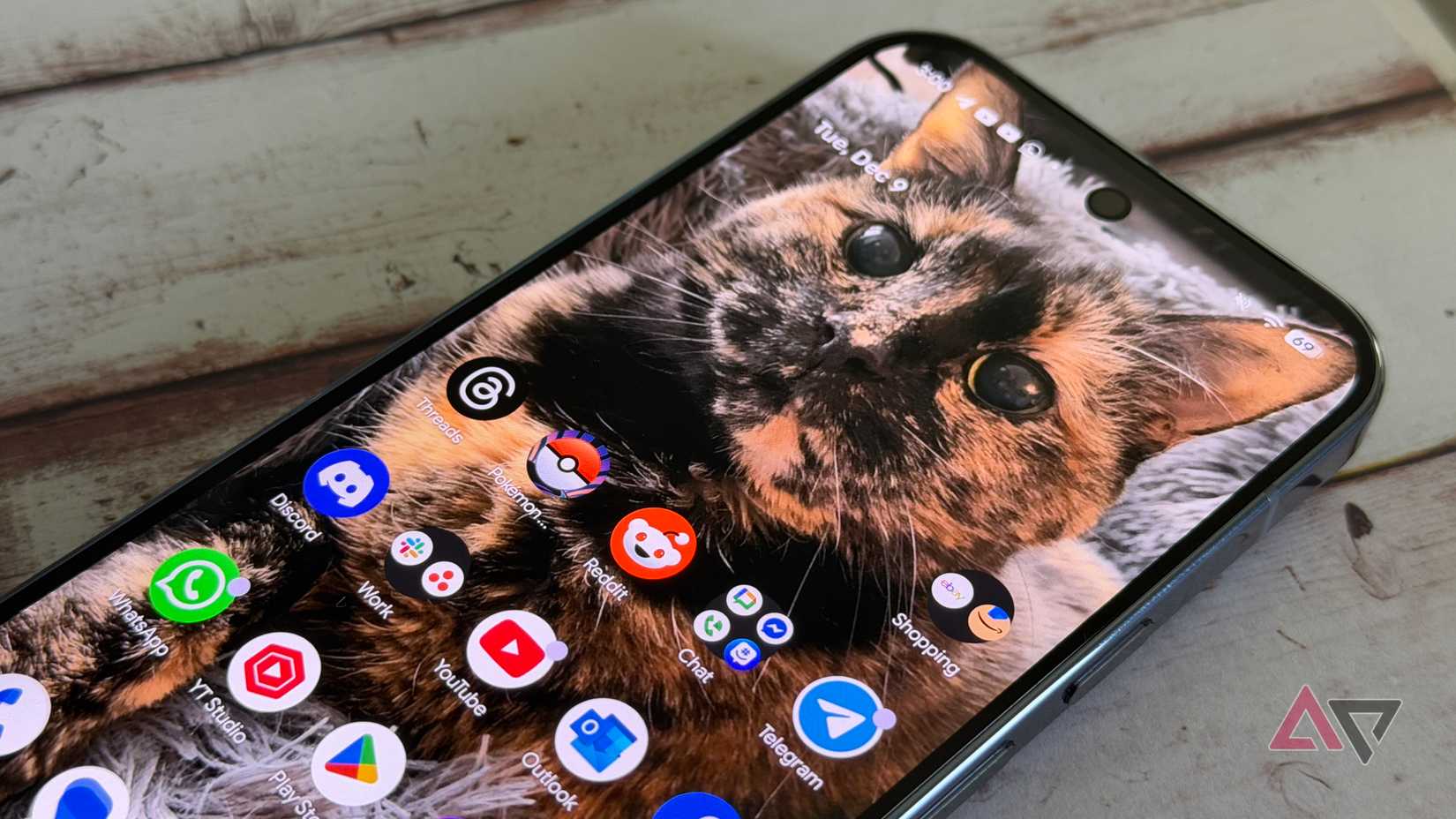
Google isn’t perfect, and the company still does some infuriating things. Recent battery headaches with older Pixel phones are a reminder of Google’s unreliable past.
It also took the company long enough to find a niche for Pixel phones. However, after several false starts, its recent strategy with the Pixel 9 and Pixel 10 devices is gaining traction.
Sales are up again, and the siphoning off of iPhone users is a part of that.
I don’t want to hear that carrier incentives are boosting Pixel sales, either — as if Samsung and Apple don’t run the same promotions.
Pixel sales are improving, despite a minor enthusiast revolt over Google’s chosen chipset for its devices.
I’ve never seen more people with Pixels in their hands than I have in the last two years, and for good reason. We’re a long way from the days of annoyed and dissatisfied Pixel 6 and 7 owners.
Don’t discount Pixel feature drops
It feels like there has been more juice behind recent Pixel feature drops, and I can see Google’s software support being used as a selling point again.
I used to cringe on the first Monday of the month, hoping the latest software update wouldn’t fry my Bluetooth, but that’s not the case anymore.
New Pixel features add value to the phones, and the Pixel 10 is on the right track.
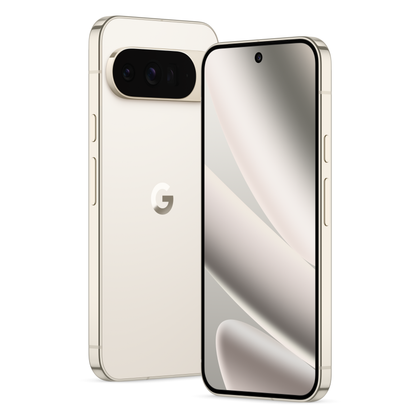
Google Pixel 10 Pro XL

- SoC
-
Google Tensor G5
- RAM
-
16GB
- Storage
-
256 GB / 512 GB / 1TB with Zoned UFS / 1 TB with Zoned UFS
- Battery
-
5200mAh
The Pixel 10 Pro XL packs all the same features you’ll find on its less expensive siblings, along with a few exclusive features like a 6.8-inch display and faster charging.










