


We’re almost at the end of the year, and that means we’re all looking forward to next year, and the new phones, tablets, and wearables 2026 will bring.
For instance, we know pretty much everything there is to know about the Samsung Galaxy S26 range. It will … basically look like the Galaxy S25 range.
That’s become the repeated truism of the last decade or so: “Meet the new boss, same as the old boss”. Your new phone will likely look almost the same as the old one.
It’s boring. And you know what? I’ve come to love that. Mundanity has become its own strength.

Every format has its formula
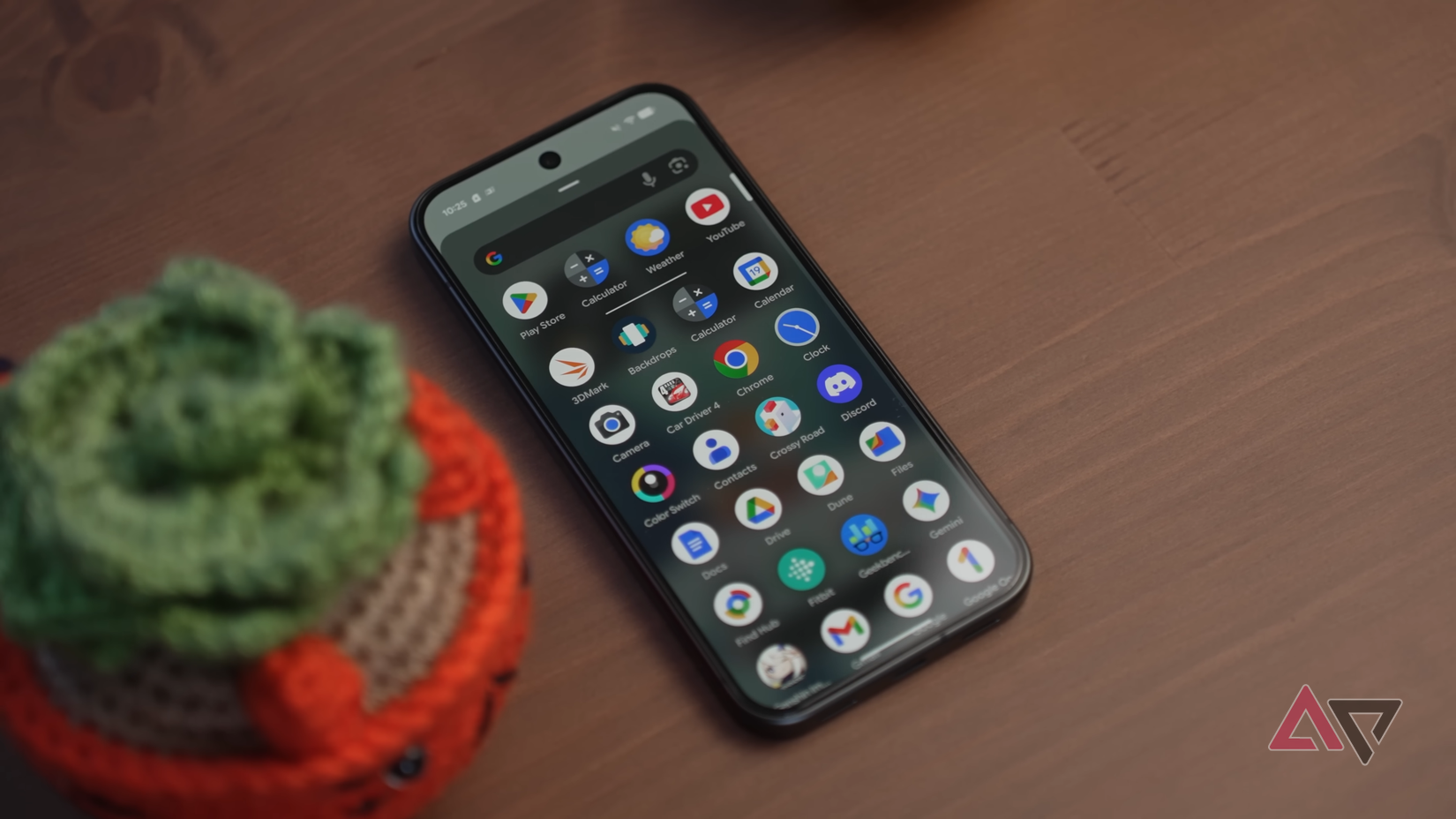
Phone design has stagnated.
It feels weird to say that in a world where folding phones are still coming into their own, with a brand-new Samsung TriFold on the horizon.
But it’s true. Your phone is an oblong with multiple cameras on the back and a varying level of bezel on the front.
Yes, manufacturers will move around exactly what part of the upper half you’ll find the rear cameras, and they might decide to go back to curved edges rather than flat edges in a few years — but it’s all very minor.
It’s moving the furniture around in a room desperately in need of a full redecoration.
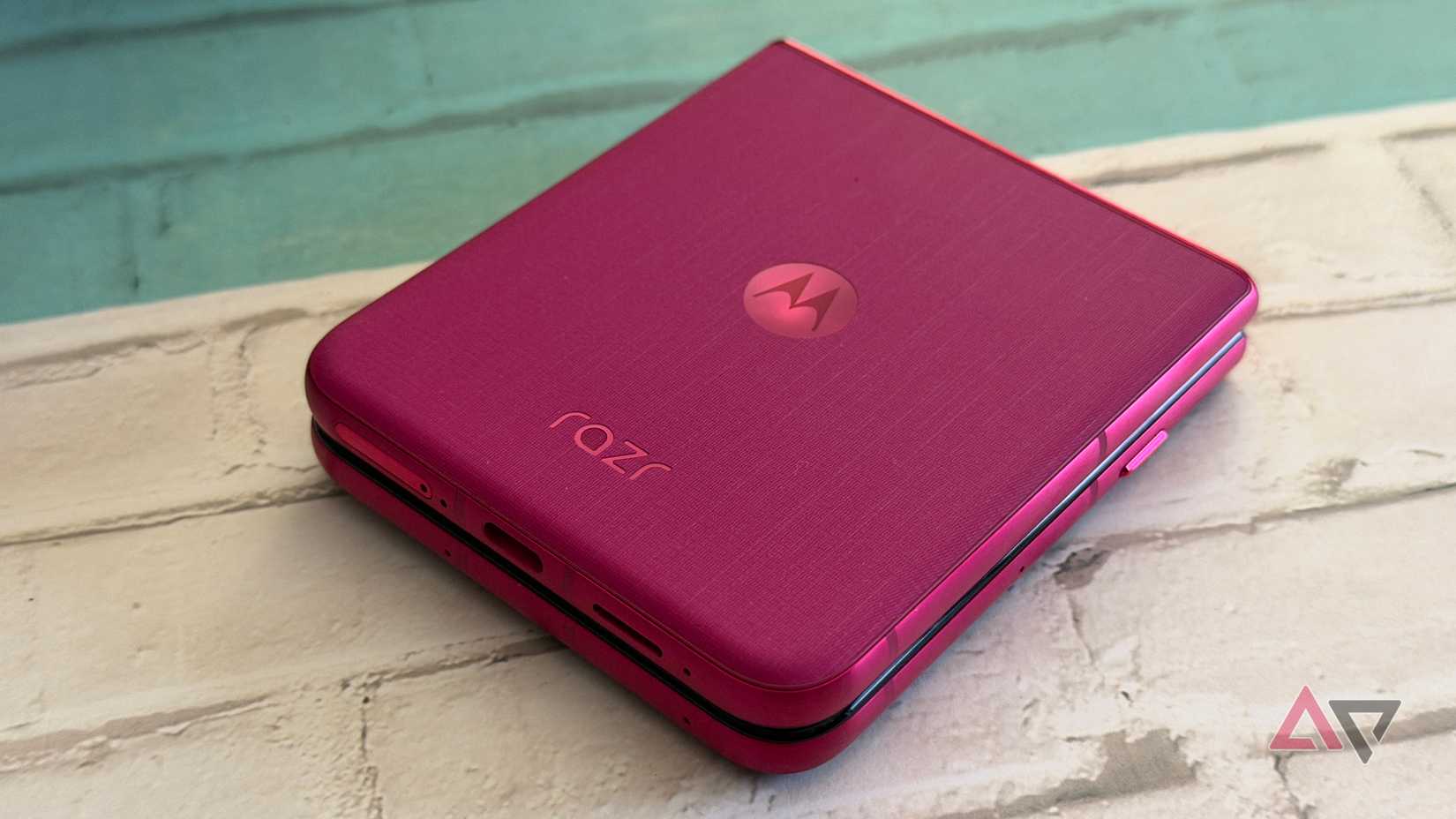
Even folding phones have become a bit stagnant.
Flip phones are basically the same clamshell design with an ever-growing outer display. Most book folds follow the same basic approach as the Galaxy Z Fold.
It’s the same, with only small changes each time.
It wasn’t always this way
It’s easy to forget that it hasn’t always been this way. Back in the pre-smartphone era, it was common to come across a phone that was a bit wild.
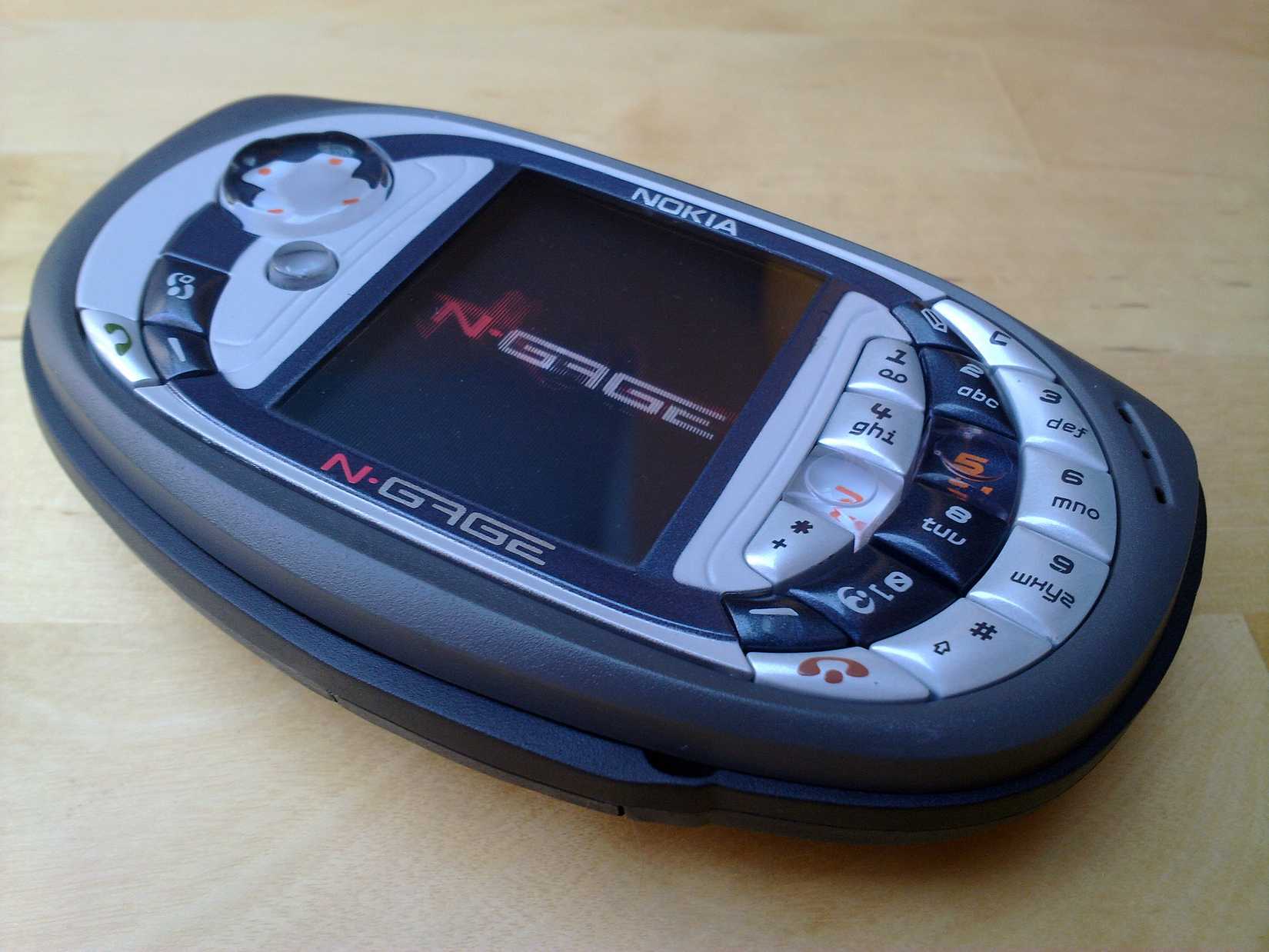
Credit: flickr
Sure, there were the old classics, like the Nokia 3310, but dive back into the annals of phone history, and you’ll find some really weird stuff.
There’s the short-lived phenomenon of sliding phones, with a keyboard hidden beneath the slider, the flip clamshell phone that’s made a real comeback, and even the Nokia N-Gage gaming phone.
That sort of inspired experimentation didn’t die when the smartphone came around. Instead, it ended up being typified by one manufacturer in particular.
Every phone enthusiast has a soft spot for LG Mobile. Not necessarily because it made great phones, though it did have some stand-outs.
No, it was the only manufacturer to really embrace the far out design philosophies of the early days of phones.
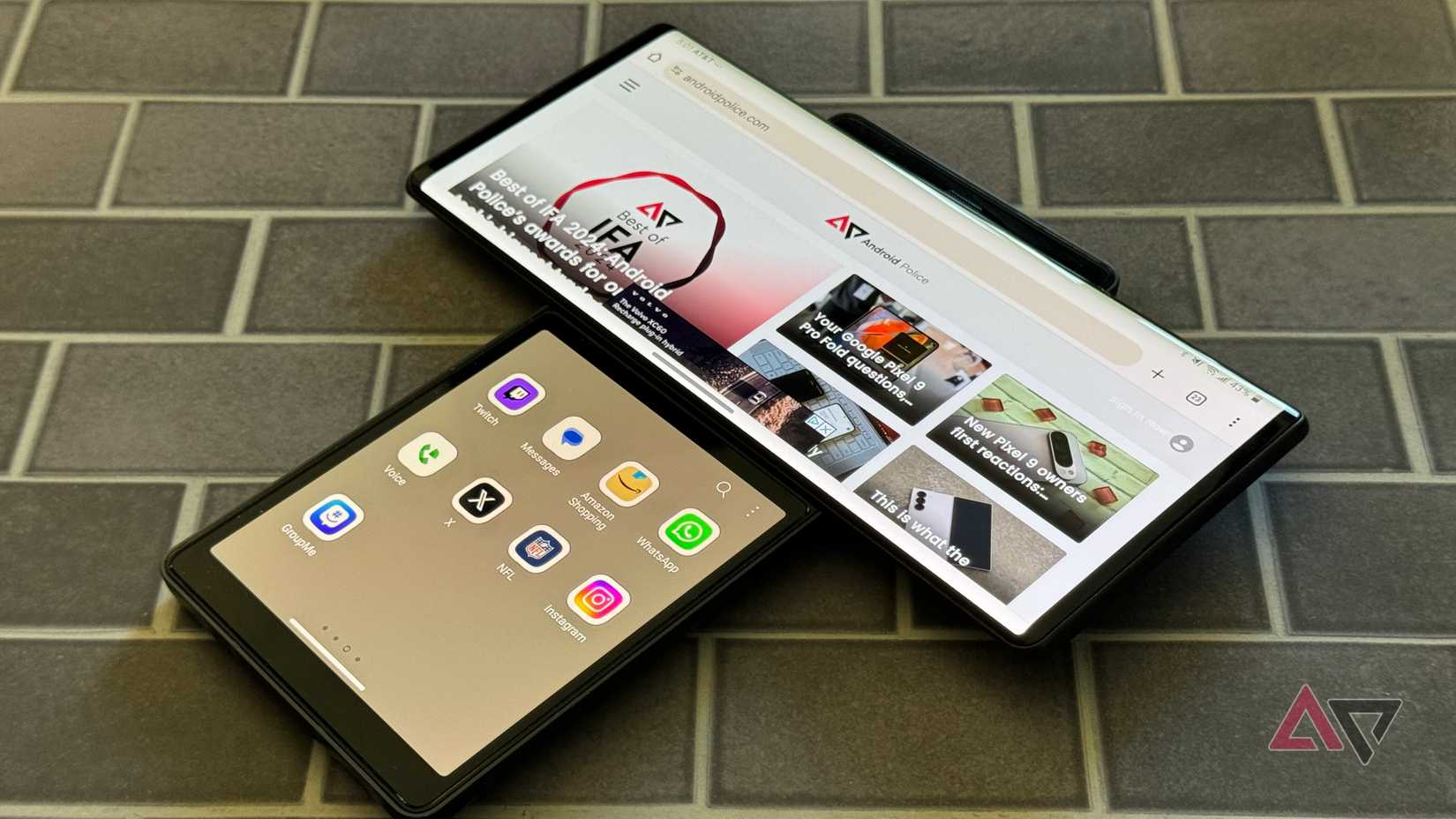
There was the battery-accessory swapping insanity of the LG G5, the Dual Screen models that walked so foldable phones could run, and the terrible, yet absolutely incredible LG Wing.
LG Mobile is long gone now, and a big part of the reason why is that these brave new designs weren’t even close to being sales hits. And that’s a big part of the reason we don’t see this sort of innovation anymore.
But another reason is that there’s a much safer option that most manufacturers are happier to chase.
Software innovation has replaced new hardware

When you’re marketing the next big phone in your usual range, you need a hook to snag consumers — and that means upgrades.
Hardware upgrades used to be the go-to. More cameras, bigger batteries, fancier displays — we’ve seen it all over the years.
Slowly, software has become the new headline act. This began before AI, but it’s become supercharged since LLMs and AI started taking over the world.
Your new phone will now likely be sold on its ability to access chatbots, edit photos, or use AI to screen your calls.
This doesn’t mean hardware has stagnated, but it does mean it’s no longer pushed to its limits to impress. And it’s not hard to see why that has some serious upsides for manufacturers.
Samsung is still remembered in infamy for the Galaxy Note 7 debacle, and taking it easier on hardware is the best way to avoid those situations.
I’m not going to pretend that I’m happy hardware innovation has slowed, but there are some advantages to the new approach.
I miss wild designs, but I’m still happy with this situation
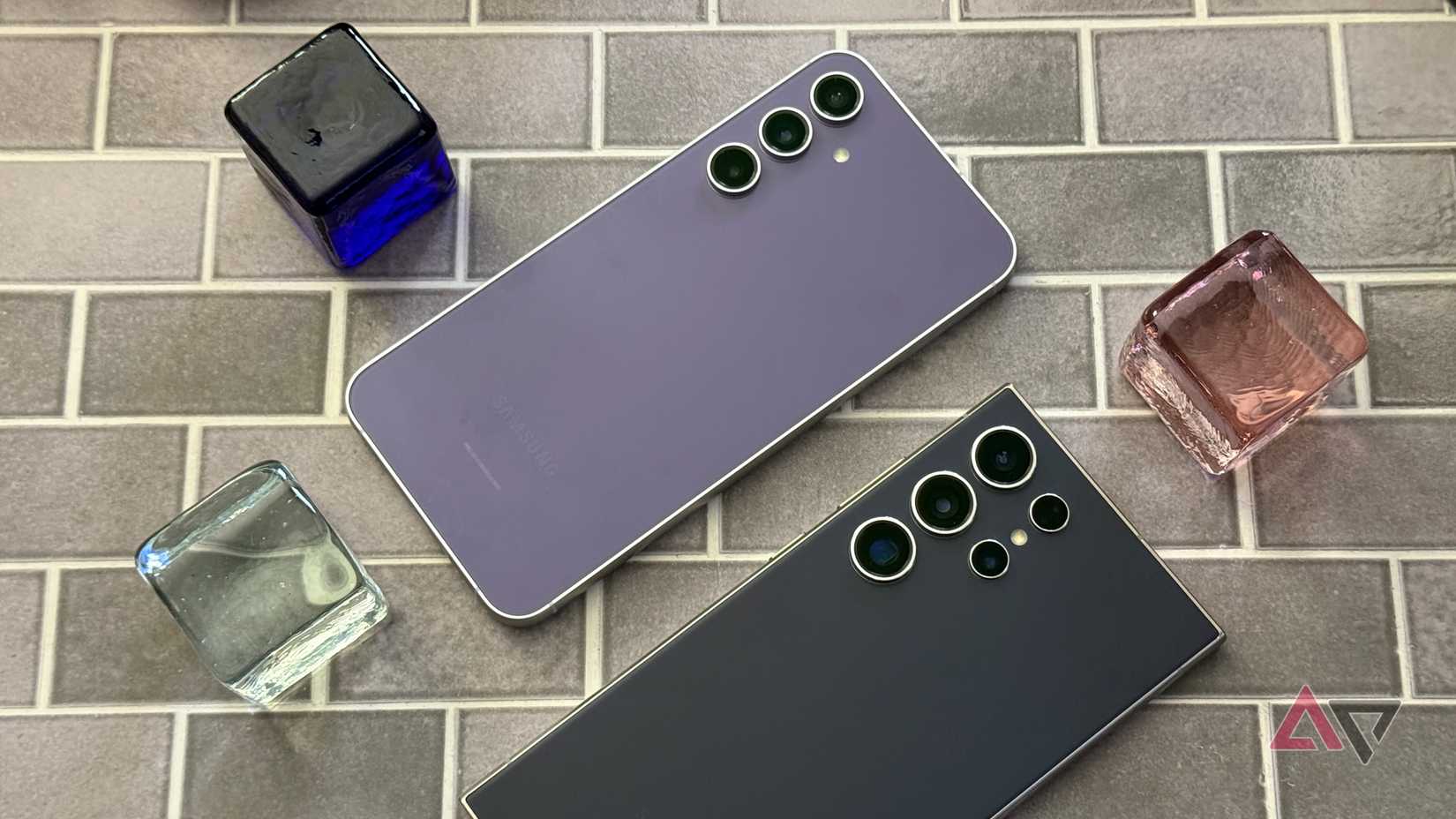
I miss the dumb designs of phones from yesteryear. But that doesn’t mean I’m also not happy with what we have now.
That sounds like a weird admission to make, but it’s true. It’s a real shame we don’t currently see the sort of wild designs that we used to see. LG leaving the smartphone market left a hole that simply hasn’t been filled.
But the nice thing about this lack of fresh approaches is that we’re left with tech that we’re already familiar with.
If you loved your Galaxy S22 Ultra, the chances are you’ll also love the S25 Ultra, since it’s basically a more powerful version of a phone you know you like.
That makes it much easier to stomach spending four figures on a new phone. And ultimately, that’s good for you as a consumer, and for the phone business too.
If it ain’t broke, don’t fix it.
And if you’re craving something new? Well, you’re plum out of luck for the moment — but there is hope on the horizon.
Credit: Lucas Gouveia / Android Police | Samsung
I might have called out foldables for still being much the same earlier in the article, but it’s the area where we’re seeing the most fluidity in design.
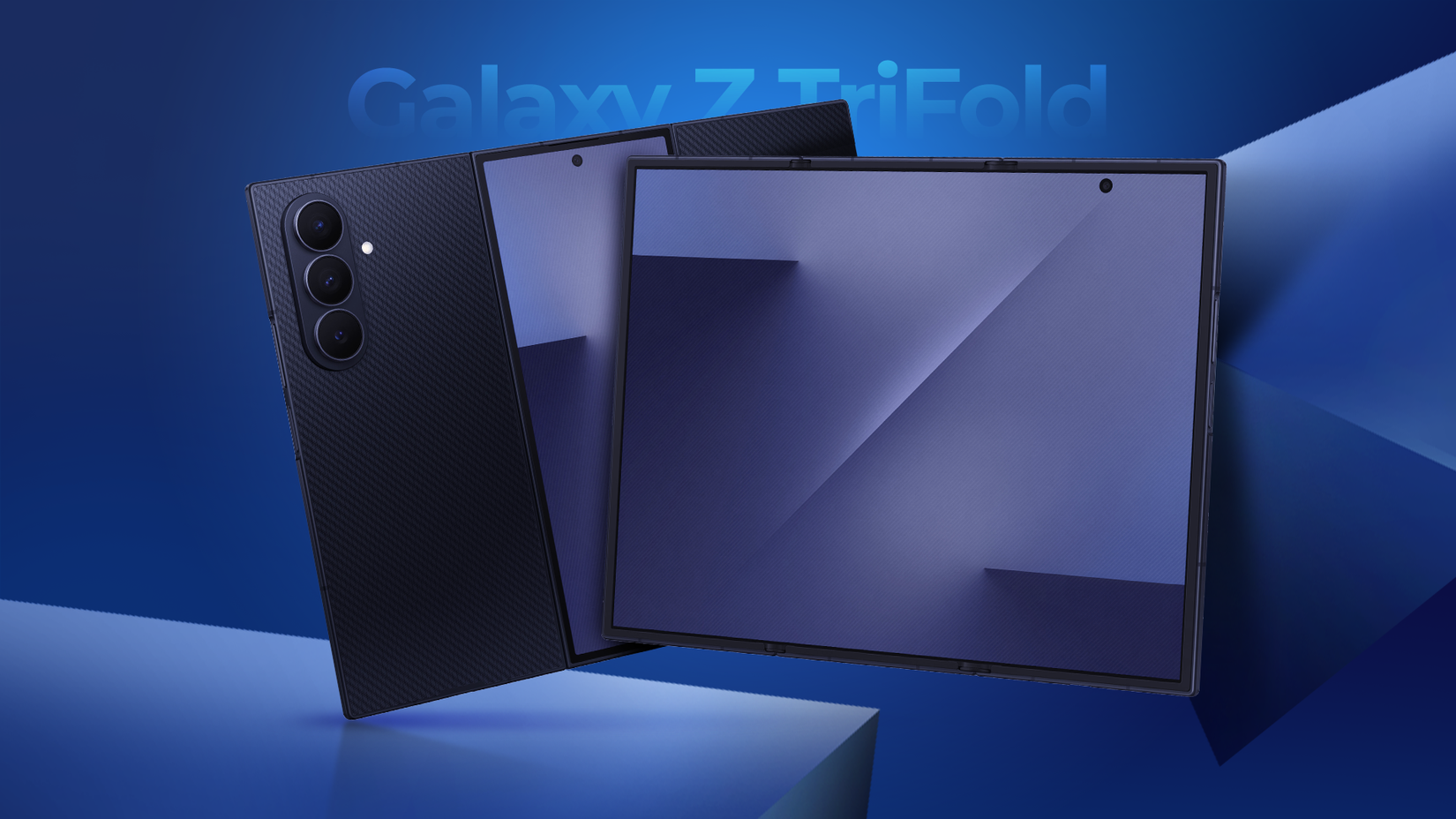
While it’s true most are falling into similar grooves, Samsung made significant changes to the Z Fold 7, and is due to release the Galaxy TriFold, an even larger foldable with three inner displays.
While it remains to be seen how well Samsung has pulled that particular feat off, there’s no denying it’s a new area for smartphones, and your best chance to see and experience something truly new.
Plus, if you still haven’t owned a foldable, now is a great time to get into them. The last few generations have been great, and while the newest models are expensive, you can often find the older phones for great discounts.







