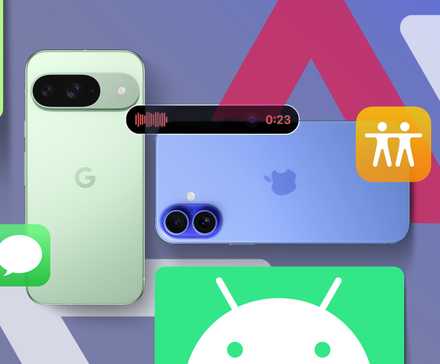
Apple’s NameDrop is a convenient feature that lets iPhones and Apple Watches share contact cards by simply tapping the devices together. Last month, we learned that a similar feature was in the works for contact sharing between Android devices. A new report is now offering additional details on what Google’s implementation of NameDrop could look like.
Following their initial revelation about the feature known as “Contact Exchange,” the folks at Android Authority managed to enable a short animation in version 25.49.31 beta of Google Play Services. This animation would likely be triggered when contact sharing is initiated, not dissimilar to NameDrop.
This feature may take a while to arrive
The publication managed to activate the contact exchange animation on a Pixel 9 and POCO F6, though the contact sharing process isn’t functional at the moment. Bringing the two phones together activates the brief animation around the bezels on the top half of the screen, but that’s pretty much it. These factors suggest that we might be far off from seeing it in action.
While we have a sense of how this feature (internally referred to as Contact Exchange) would work, some technical details are not yet available. For instance, it’s unclear whether Google will rely entirely on NFC for exchanging contact info or also rely on Wi-Fi and Bluetooth.
Credit: Android Authority
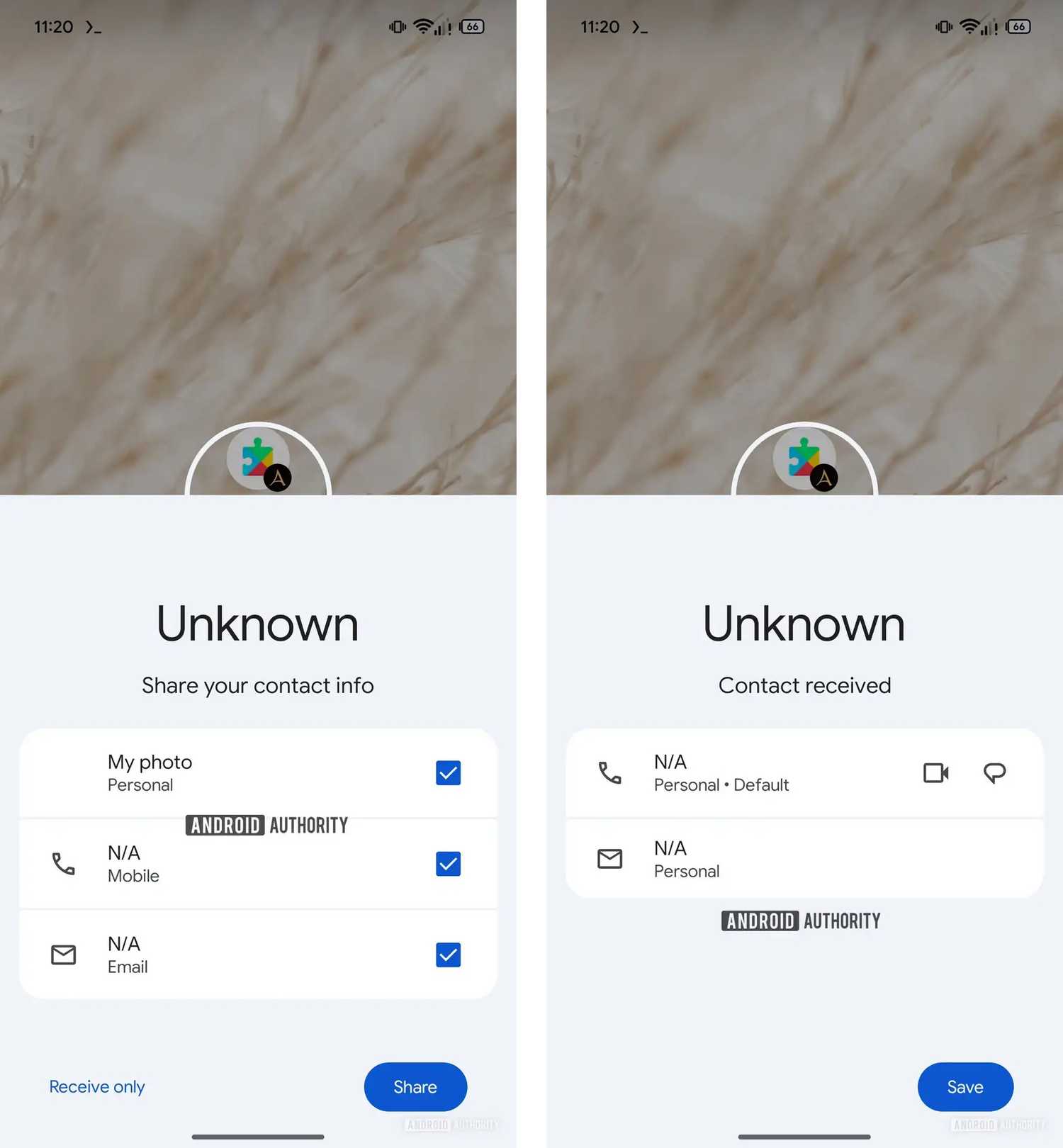
The under-development sender and receiver pages
Last month’s leak also gave us an early look at the sender and receiver pages of this contact-sharing experience, with the sender controlling what info is shared with the other device. Apple’s NameDrop, by contrast, uses a different approach.
As Android Authority rightly points out, Google’s implementation will also face the challenge of varying antenna placements across multiple Android devices. This is not a problem for Apple, as the antenna placement across iPhones and Apple Watches is largely consistent, thereby enabling seamless contact exchange.
Meanwhile, Google Pixel phones over the past couple of years, including the Pixel 10, also have the NFC antennas placed in almost identical positions. This means contact exchange between two Google Pixel phones may not differ greatly from Apple’s experience. In any case, this would be a major feature addition to Android, and definitely not the last iOS feature that Google plans to borrow.
Unfortunately, this is all the information we have on this contact exchange feature right now, though we expect to learn more over the coming months.