


Every day, I carry around a glass sandwich I cannot eat.
Its layers include a screen protector on the front, my phone in the middle, and a case on the back. It reflects the irony of smartphone design. You’re not meant to experience it.
I ponder it when I need to change my accessories. I recently went four whole days without their protection until I got good replacements. It felt reckless.
However, in that brief window, I saw my phone for the first time in months. It was stunning, and it annoyed me. Here’s why.

My phone is among the fairest of them all
But I can’t afford to look at it
Credit: Realme
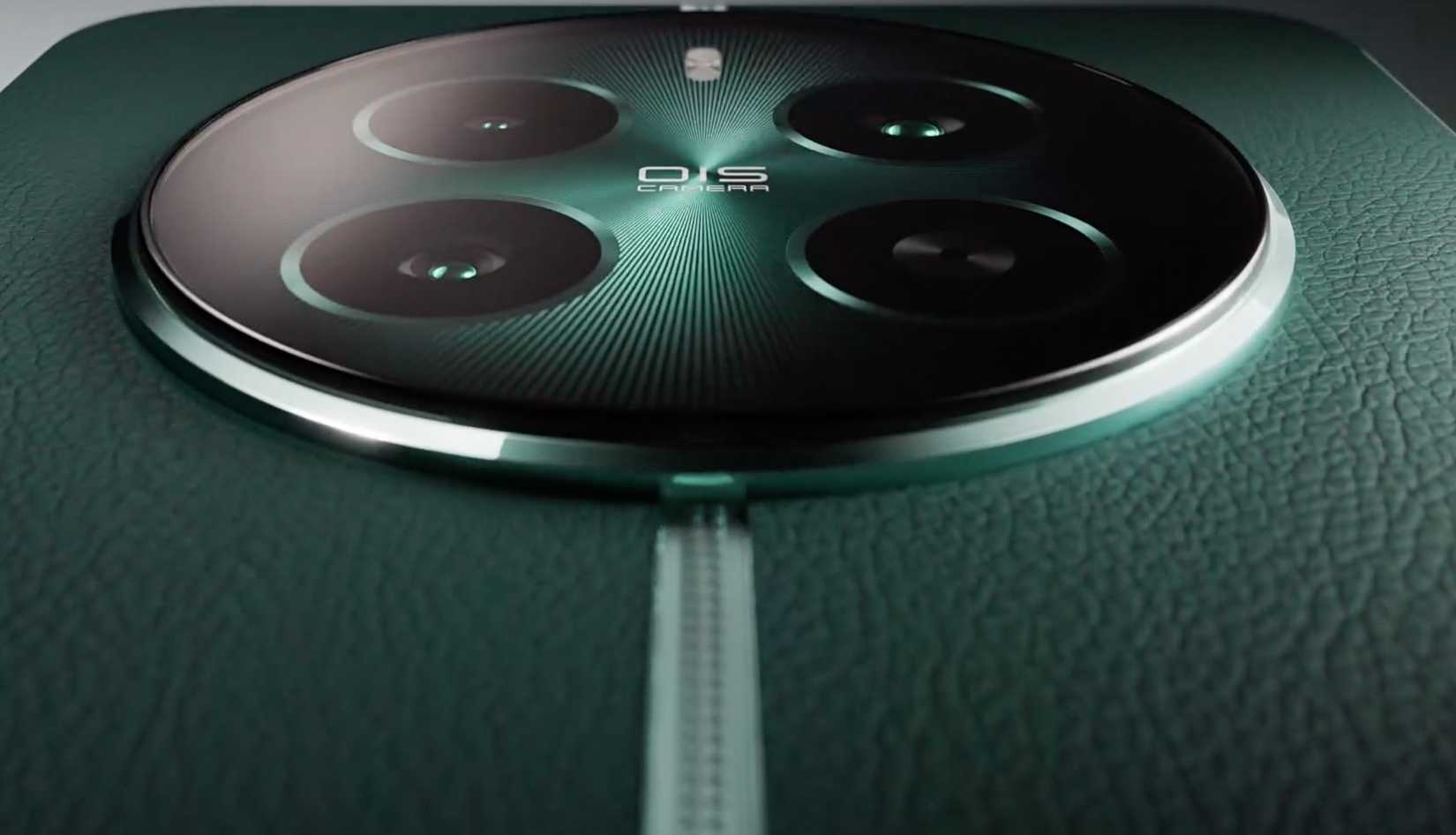
When I first unboxed my Realme 12+ a year ago, I was genuinely surprised at how good a $200 phone could look. I’d gotten it in for review.
The vegan leather back had a strikingly deep, elegant green finish that looked far more expensive than it was. It’s pretty slippery, but I love how light the phone feels in my hand.
There’s a metal-like stitching strip running down the middle, and the camera has a watch-inspired style that catches the light. It was nice to see something different from glass, aluminum, or plastic backs.
But then, almost immediately, I reached for the TPU clear case inside the box to cover my new device. A pre-applied plastic film was on display.
But it wasn’t going to happen, so I took the phone to the gadget store down the street and had a proper glass protector fixed. I felt better that my phone was safer, even though it had been visually muted.
Months passed before I changed the original case. It had yellowed at the edges like all cheap clear cases. I swapped it for another one I’d ordered from AliExpress. In between that period, I’d replaced the screen guard multiple times.
Yet again, the green vegan leather I’d previously admired disappeared. It wasn’t until four days ago that I finally took everything off and held the phone as it actually is.
For almost a year, I’d been interacting with my device through layers of plastic, rubber, resin, and tempered glass, catching only fragmented glimpses of what I praised in the review.
What our phones are really made of
I try to look beyond the glossy marketing
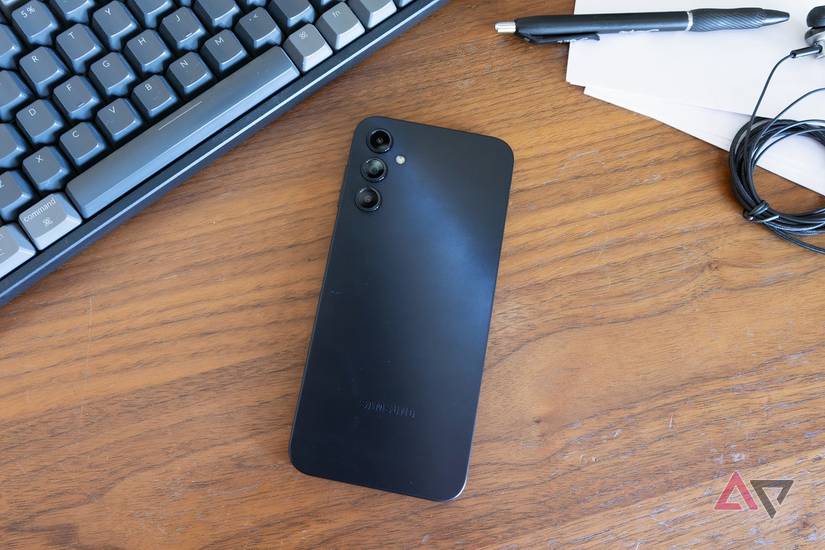
Smartphone design today is defined by an imbalance that manufacturers haven’t fully resolved.
Corning’s Gorilla Glass and Xiaomi’s shielded composites are usually the headline materials you’ll find on slabs worth $800 or more. If it’s not that, you’ll get hardened polycarbonate, vegan leather, or laminated glass on midrange tiers.
Regardless of the price bracket, there’s a hierarchy of quality. The higher-end materials survive impact better and resist scratches longer. But none of them are indestructible, and it’s not a design failure. It’s just simple physics.
Glass, no matter how reinforced, still behaves like glass under intense impact. Likewise, coated titanium and aluminum backs will still dent or scratch after repeated drops.
I get anxious whenever I don’t have my phone covered. It feels like there’s a force determined to test your caution.
These past few days, I’ve tried to prove it wrong with a firmer grip and more deliberate steps. Sometimes, I’d put my phone inside my bag and only bring it out when I needed it.
I’ve since caved and bought new accessories.
The billion-dollar business of built-in fragility
It basically thrives on our fear of damage
Credit: Android Authority
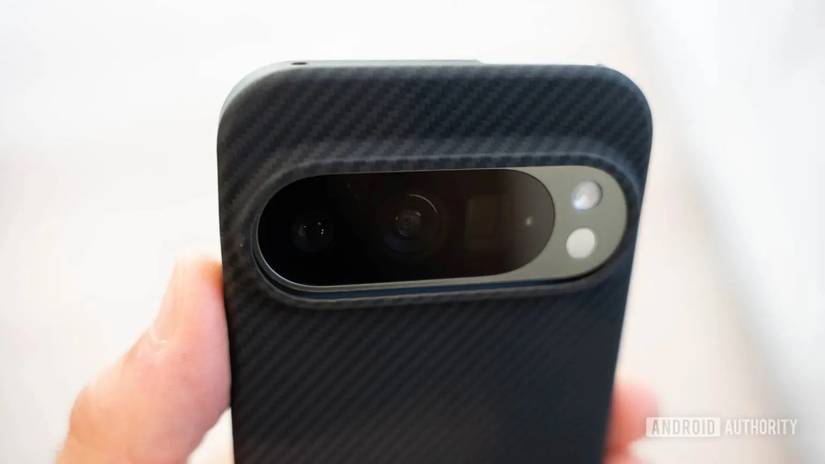
The accessory ecosystem isn’t innocent in the user cycle either.
I don’t know when it happened. But somehow, companies reinforced the idea that a phone can’t survive a normal day in your hand. That same ecosystem is now a billion-dollar industry. Precisely $106 billion.
It’s built on the weaknesses of devices to the point where fragility itself is a feature. A scratched screen keeps you buying new protectors, while high repair prices push you toward insurance.
Case launches even follow phone launches closely, with companies getting dimensions months in advance. I can’t count how many times I’ve seen it happen on Amazon.
The Galaxy Tab S11 series is among the few devices that didn’t follow this pattern. It’s possible there were no early leaks this year. Hence, the limited options for the tablet.
All these factors put subtle pressure on users to protect expensive liabilities.
With the coverings, I’m not always consciously thinking about my device. Without them, I relate to my phone more through the fear of losing value from an accident than as something I can use freely.
Finding balance is the case
I’m pro-accessories because they give me peace of mind. But I still envy people who have many reasons to avoid cases and protectors. It speaks of how they trust themselves and their devices more.
It’s tempted me to loosen my grip on the protective covers. I’m practicing using my phone without a case at home, though I still keep a camera protector on to be safe.
I don’t sell or swap my phones, so the resale value isn’t a concern. Instead, I use them until they’re a lost cause or give them away when support runs out. Maybe I’ll eventually get comfortable living with a bit of risk this way.










