
Sam Boyd
Updated on: December 12, 2025
Fact-checked by Eric Goldstein
In this comprehensive guide, we’ll examine different types of apps that pose risks to young users. We’ll explore the hidden privacy pitfalls in social media apps, the addiction and financial hazards lurking in video games, and covert apps designed to hide sensitive information from you.
But we won’t stop at merely identifying these digital pitfalls. As a parent, you’ll discover various strategies beyond knowing what apps are on your child’s phone. You’ll learn how to take advantage of parental control apps like Qustodio and set reasonable boundaries, keep an eye on your kid’s phone usage, and manage screen time.
7 Most Dangerous Apps for Kids in 2025
1. Social Media
Facebook, Instagram, Snapchat, TikTok, and YouTube live in our kids’ pockets. But do you know the unique risks each of these platforms poses?
- Facebook & Instagram. While these Meta-owned platforms may seem harmless, they come with their own set of risks. Predators often use these platforms to identify and contact potential targets, and your child might unknowingly share sensitive information or pictures that could be misused. Additionally, phishing scams that solicit personal or financial information are all too common.
- Snapchat. The app’s disappearing messages feature might give your child a false sense of security. It’s crucial to remember that people can exploit this. Predators or ill-intentioned users can easily screenshot or save those ‘temporary’ messages and images, posing a risk for potential misuse or harm.
- TikTok and Triller. Despite its catchy tunes and viral dances, TikTok and Triller have relatively lax content guidelines, exposing kids to potentially harmful material.
- YouTube. The platform’s lack of pre-screening means your child could stumble upon inappropriate content despite YouTube’s attempts at moderation.
- Yik Yak. This “anonymous” messaging app allows users to communicate within a localized area — posing a risk of exposing minors to nearby predators. The illusion of anonymity may encourage inappropriate or harmful behavior, including sharing explicit content. Despite an age restriction, there’s no effective verification.
- Cyberbullying & personal information. Anonymity emboldens bullies and predators alike. Always educate your kids about the dangers of sharing personal information in chats, posts, or bios.
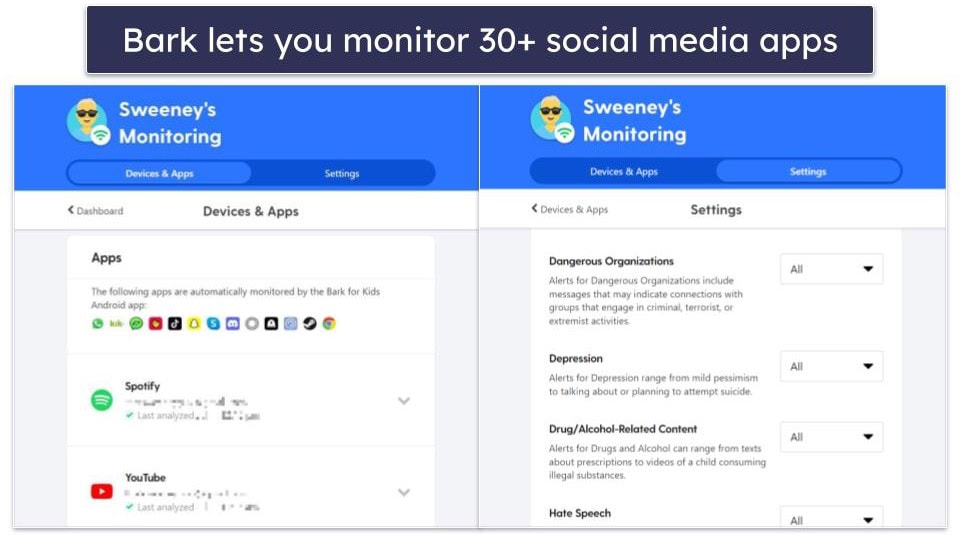
Monitoring is key. Parental control apps like Qustodio and Bark offer comprehensive features to monitor your child’s app usage. You can further consider exploring specialized smartphones designed for kids (like the one offered by Bark). These phones limit app store access and only allow your child to use parent-approved applications.
2. Games
Fortnite, Roblox, and Minecraft are the new playgrounds for kids. Sure, they’re a lot of fun, but let’s discuss why they’re not all child’s play.
- Chat features. These games aren’t single-player adventures — they’re social hubs. That means your child could be chatting with anyone, anywhere in the world, anytime. This is a recipe for cyberbullying and predator activity.
- In-app purchases. Think your credit card is safe just because it’s a game? Think again. With the tap of a finger, your child could be racking up hundreds, if not thousands, of dollars in virtual items. Those digital swords and skins aren’t free.
- Content exposure. Don’t be fooled by the animated graphics. Some games feature violent or adult-themed content that can normalize harmful behaviors.
- Addictive nature. These games are engineered to be as engaging as possible. That means more screen time and less real-world interaction. It’s not the best trade-off for a growing mind and body.
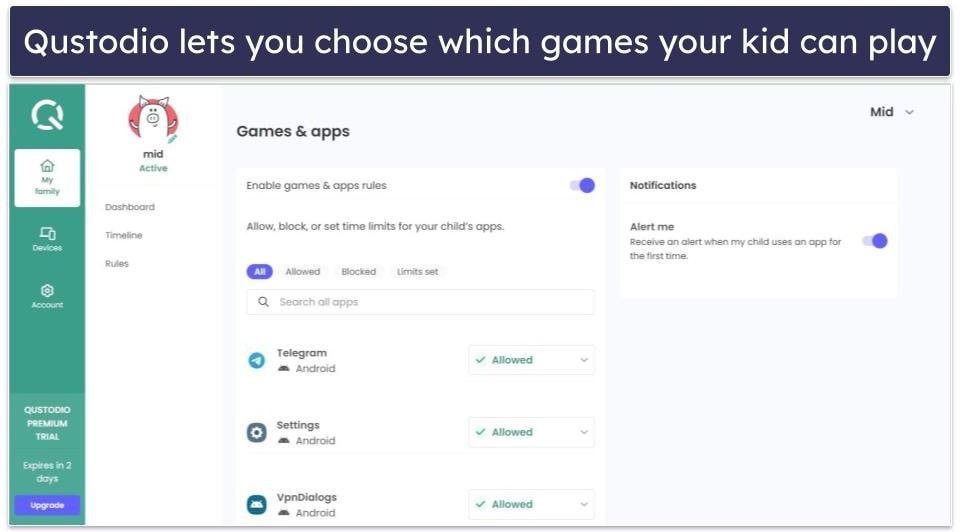
Parental control apps like Qustodio allow you to monitor and restrict game usage, but you should also talk to your kids about responsible gaming, setting spending limits, and keeping personal info private.
3. Dating Apps
Let’s be clear, dating apps like Tinder, Grindr, and Bumble are adult territory. The age restriction for apps like these is generally 18, but rules are often as easy to bypass as a simple lie about a birthdate. So, what’s at stake for a minor who enters this mature arena?
- Mature themes. Dating apps are rife with sexual content and explicit conversations. That’s not the sort of ‘educational content’ any parent wants for their child, especially at an impressionable age.
- Predator risk. It’s not just about inappropriate conversations, there’s the very real danger of exploitation and grooming by adults.
- Data privacy. Like their social media counterparts, these apps are data-hungry — and let’s face it, you don’t want your child’s personal information becoming the latest headline in a data breach scandal.
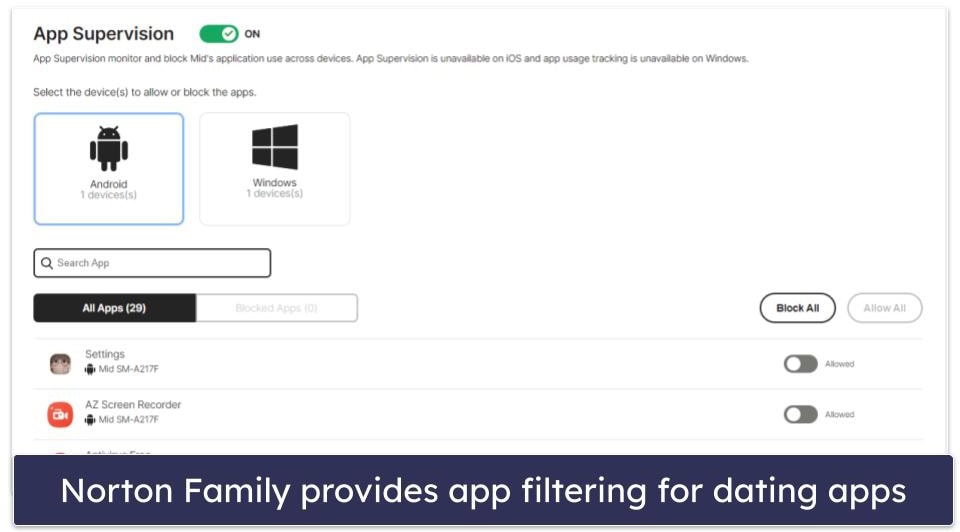
Parental control apps can help, but the best defense is an educated child. Sit down and have an open conversation about why these platforms are off-limits. Explain the risks in a way they’ll understand and ensure they keep their personal information private.
4. Chat Apps
Apps like WhatsApp, Telegram, and Viber have changed the way we communicate, but they come with serious risks for kids. Here’s why:
- Encryption dilemma. Normally, encryption is your friend. But when it comes to kids, it’s a different story. End-to-end encryption is great for privacy but not so great for parental oversight. Messages are only visible to the sender and receiver, leaving parents in the dark.
- Too much information. Kids often don’t realize what they should keep private. Sharing their location or school name is risky business. These details are exactly what cyberstalkers and identity thieves are looking for.
- Video chat risks. Then, there’s Omegle, which brings its own set of dangers. It’s not just about texting; we’re talking live video, often with strangers. Omegle has been flagged multiple times for incidents involving the exploitation of minors. The lack of effective age checks makes it worse.
Explaining these risks to your children is about their privacy and keeping them safe. Teach them the basics of online privacy and the dangers of oversharing, and I also strongly recommend using a parental control app that can monitor chat app activity. I’m a big fan of Qustodio, which shows you what apps your child is using including those less mainstream chat platforms.

5. File Sharing Apps
File-sharing apps like BitTorrent and uTorrent might seem like a handy way to share files, but they’re a Pandora’s box of risks for young users. Without any form of central oversight, these platforms are rife with various types of content, ranging from bootlegged movies to explicit material. Essentially, no one can check IDs or filter out inappropriate or dangerous content.
The absence of a vetting authority also makes it easy for cybercriminals to distribute malware. A good antivirus is essential with apps like these because one wrong download from your child could infect your entire home network, turning what seemed like a handy tool into a cybersecurity nightmare.
But honestly, some things are better kept out of reach and file-sharing apps are one of them — especially for younger kids. Parental control apps can help you block these platforms altogether, giving you one less thing to worry about. For this, a solution like Norton Family can come in handy, offering real-time alerts and comprehensive blocking features.

6. Secret Storage Apps
Mobile apps like Vault and Keepsafe let your kids hide files, photos, and more behind a password. They’re designed to be secretive and look like normal apps, maybe even a calculator, but they hide their true purpose — you can only see what they really are when a secret code is entered.
Because these apps can be sneaky, parents need to stay on top of things. A good parental control app like Qustodio can tell you when your child downloads these secret storage apps, so you can talk to them about it.

7. Augmented Reality Apps
Augmented Reality (AR) apps are the future, blending the virtual world with our actual surroundings for an immersive experience. But these apps can pose real-world risks, especially when they divert your child’s attention from their actual surroundings.
Take Pokémon Go, for instance. We’ve seen news stories about players trespassing, getting into accidents, and even becoming robbery targets because they’re so engrossed in the game. And let’s not forget the camera access these apps require — hackers could exploit it to gather sensitive information about your child.
So what’s a parent to do? Set some ground rules on where and how your kids should use these apps. And here’s a pro tip — if you’re using Norton Family bundled with Norton 360, you get the bonus of webcam protection (Windows only). It’s an extra layer of security that can give you peace of mind.

How to Talk to Your Kids About Using Apps
As a parent, initiating open conversations about app usage can create a safe space for your child to share their online experiences. Here are some tips to make it easier:
- Kick off the chat early. Don’t wait for an issue. Make tech talk a regular dinner table topic, fostering an environment where your child can approach you with their online concerns.
- Create a judgment-free zone. It’s easy for kids to clam up if they feel like they’re on trial. Make sure they know it’s a two-way conversation, not an interrogation.
- Be your own role model. Children are excellent mimics. If they see you handling your apps responsibly, they’ll mirror that behavior.
- The privacy talk. Think of app permissions as the digital age’s “stranger danger.” Walk your child through the settings, ensuring they know what they share and with whom.
- Spotting red flags. Whether it’s cyberbullying or oversharing, discuss the ‘don’ts’ as clearly as the ‘do’s’ of digital conduct.
- Keep the conversation alive. Given the ever-changing digital landscape, consider talking to your kids about using apps as an ongoing dialogue. Periodically check in to discuss new trends, apps, or safety concerns that arise.
By adopting this multi-faceted approach, you’ll be in tune with your child’s digital life and you’ll provide them with the skills and awareness they need to navigate it safely. And remember, tools like Qustodio can give you that extra layer of oversight and peace of mind.

Frequently Asked Questions
What are the signs that an app may be dangerous for my child?
Detecting a dangerous app can be complicated, especially with developers getting sneakier about disguising their true intentions. However, there are some red flags to watch out for:
- Lack of age verification. Apps that don’t enforce age restrictions can expose your child to inappropriate content and interactions for their age group.
- Limited parental settings. The lack of adequate content filtering and the absence of built-in parental controls in certain apps severely limit your ability to oversee your child’s activities and effectively block inappropriate or explicit material.
- User reviews and ratings. Check out the app’s reviews and ratings. Negative feedback about safety concerns can be a significant indicator of a dangerous app.
- Data collection. Apps that collect more data than necessary could pose a privacy risk, especially if the data storage is not secure.
- Social features. Games and apps that allow open chatting with strangers can be a platform for cyberbullying or unwanted contact from online predators.
By staying vigilant and updating your knowledge, you can make informed decisions about which apps are safe for your child to use. For extra peace of mind, consider using a reliable parental control app to keep track of your child’s app activities.
What age is appropriate for a child to get their first smartphone?
The right age for a child to get a smartphone varies from family to family and depends on individual circumstances. However, the general recommendation is between the ages of 12 to 14. This is when children become more independent, needing a phone to coordinate after-school activities or communicate with parents. It’s crucial to assess your child’s level of responsibility and their need for a mobile device. Regardless of the age you choose, implementing parental control software like Qustodio can offer an extra layer of security and peace of mind.
How often should I talk to my child about phone and app usage?
Depending on your child’s age and maturity level, you should aim for regular check-ins, perhaps as often as once a week. Using parental control apps like Bark can facilitate this dialogue. Bark is designed to alert you only when a potential issue arises, allowing for trust-based monitoring rather than constant surveillance. This fosters open communication between you and your child — ensuring you only step in when necessary.
Is it invasive to monitor my child’s phone?
The line between invasive monitoring and responsible parenting can be thin, but the key lies in the intent and the level of openness between you and your child.
Bark takes a more open approach with your child that promotes communication between you and them. It only alerts you when it detects potential issues like cyberbullying, sexting, or signs of depression. This allows for a degree of privacy for your child, encouraging responsible online behavior. It’s a model that aligns well with the idea that monitoring can be both responsible and respectful when there’s transparent communication about what you’re monitoring and why.
Qustodio offers a more hands-on approach to monitoring, providing detailed insights into your child’s online activities. One of its features even allows you to hide the app from your child’s device, making it a more covert form of supervision.
Can my child bypass parental control settings?
It’s possible but less likely if you use a high-quality parental control app. Top-tier parental control apps like Qustodio are designed to withstand most tampering attempts. Regularly updating the app and revisiting its settings is a good idea to maintain effective monitoring. Periodic checks can help you catch any loopholes or vulnerabilities, ensuring the app continues doing its job.
What should I do if I discover my child is using an app inappropriately?
The first step is to remain calm and not jump to conclusions. It’s important to collect all necessary information about the situation before addressing it. Thank your child for their honesty if they’ve come forward, as this encourages open dialogue.
Use this incident as a teaching moment to discuss the importance of responsible digital behavior. It may also be an opportune time to review and update the settings on your parental control app to prevent similar occurrences in the future.